
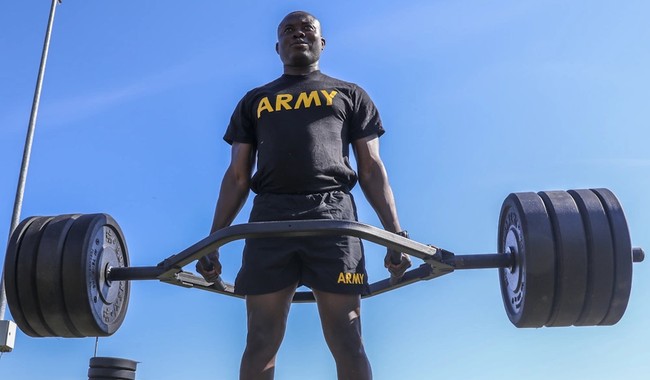
The United States Army turns 251 on June 14, and this piece traces its origin, celebrates its character, recalls personal service, and considers how the institution continues to shape and defend the republic.
On June 14, 1775, the Second Continental Congress authorized what became the Continental Army, creating a unified military force where only militias and scattered colonial units had existed before. That single decision began an unbroken chain of service that evolved into today’s all-volunteer United States Army. Ten companies were raised with one-year enlistments, and on June 15 General George Washington assumed command, setting the tone for civilian-led military authority and national defense. The 1st Continental Regiment formed in 1776, and those early soldiers—about ten percent of whom were black—fought with a determination that helped birth and preserve the republic.
https://x.com/USArmy/status/2066098573989560667
Over two and a half centuries, millions have answered the call to serve, and sacrifice has become a defining theme: “All gave some. Some gave all.” Service runs in families and communities, stitched into the fabric of American life by fathers and grandfathers, by women and men who signed the oath that binds them to defend the Constitution. That oath and the commitment behind it make the Army more than a job; it is a civic vocation that links generations and anchors local towns to national purpose. Personal stories of service underscore how the Army shapes character as much as it projects power.
The Army’s nature has always been distinctive. Unlike forces built to occupy and subdue, the United States Army has often been a liberating force, operating as citizens in uniform rather than hired soldiers for pay alone. Today’s force is volunteer and professional, composed of individuals who chose service instead of being pressed into it. That choice produces cohesion, dedication, and a level of adaptability that commanders prize in fast-moving conflicts.
Institutional culture matters. There’s an old, possibly apocryphal, World War II remark that captures how American units could surprise opponents: “…While they have books of doctrine, their officers not only don’t follow them, most of them don’t even read them.” Whether literal truth or legend, the line highlights a broader point about initiative and improvisation in combat. Doctrine provides a framework, but trained soldiers and officers who can think on their feet often make the decisive difference on the battlefield.
From small-unit actions to large campaigns, the Army’s mission has remained consistent: to close with and destroy the enemy by fire and maneuver, employing shock effect when necessary. That enduring mission translates into rigorous training, combined arms integration, and a constant drive to improve equipment and tactics. Recent years have seen renewed emphasis on preparedness, lethality, and unit cohesion, reflecting lessons learned from previous conflicts and changes in strategic priorities.
Service history spans the familiar and the intimate. Families count World War I mess sergeants, World War II bomber navigators, Cold War-era soldiers, Gulf War veterans, and those who served in peacekeeping and stabilization operations. Those varied experiences add up to a shared ethos: duty, honor, and resilience. Veterans carry those lessons into civilian life, shaping communities, businesses, and local institutions long after uniformed service ends.
The Army’s impact goes beyond battlefields. It projects American values and offers avenues for education, skill development, and leadership that many civilians never encounter. Training schools, technical specialties, and command experiences provide pathways to meaningful careers and civic leadership. The return on investment for individuals and communities is tangible: disciplined citizens, skilled workers, and leaders schooled in responsibility.
Critics and reformers have long pressed the Army to adapt, purge bureaucratic excess, and refocus on combat effectiveness. Those conversations, whether about organization, acquisition, or personnel policy, matter because they shape readiness. Recent personnel and leadership changes have aimed to restore a warrior ethos and tighten standards, reflecting a broad desire to ensure the force remains effective in high-intensity conflict. The practical outcome of those efforts is measured in training outcomes, unit cohesion, and battlefield performance.
Anniversary observances are about more than parades and speeches; they are a concrete reminder that the republic depends on citizens willing to defend it. Soldiers and veterans deserve acknowledgment for service and sacrifice, and anniversaries create moments to pass institutional memory to younger generations. On June 14, with the Army at 251 years, reflection and gratitude are appropriate—recognition that the institution remains central to national survival and to the ideals that founded the United States.
To the soldiers in uniform and the veterans in towns across the country, this day marks another year in a long lineage of service. The institution that began in 1775 has adapted, endured, and continued to be a vital instrument of national security and civic strength. Hoo-ah!


Add comment