
This piece compares chaotic post-championship scenes in New York City with orderly, celebratory crowds in Boston after Scotland’s World Cup win, examines the injuries, arrests, and damage in New York, quotes the mayor’s response verbatim, and highlights differences in crowd behavior and leadership presence while keeping the focus on civic responsibility and public safety.
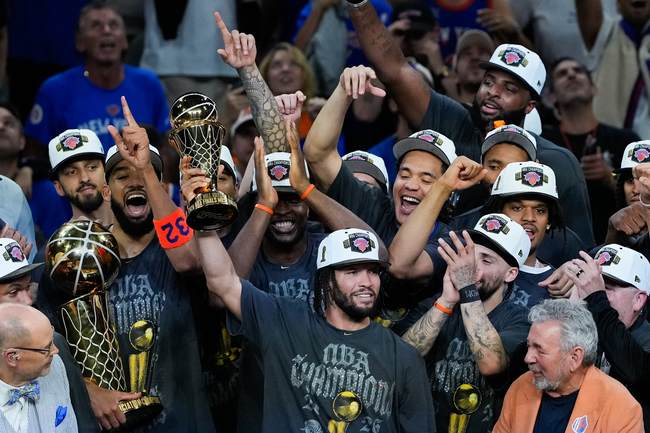
New York’s celebration after the Knicks’ first NBA title since 1973 tipped swiftly into violence and property destruction, turning what should have been a communal high into a public-safety nightmare. Reports describe burned school buses that were meant to shuttle World Cup fans, vandalized city buses, and assaults on police cruisers. The scale of damage and disorder left neighborhoods reeling and emergency services stretched thin.
Medical responders and law enforcement recorded significant harm: ten NYPD officers injured, four people stabbed, one person shot, and 63 arrests made during the unrest. Beyond physical injuries, the financial toll is already counted in the millions, with businesses and city infrastructure bearing the cost. Those concrete impacts matter because they fall on taxpayers and small business owners who expect basic order after a public event.
https://x.com/nicksortor/status/2066096951376888066
The public exchange included statements from city leadership attempting to frame the night as mostly controlled, with the mayor stressing appropriate behavior by most attendees. That official line sits uneasily beside the images of burning vehicles, smashed windows, and officers hurt in the line of duty. Citizens watching from nearby neighborhoods reported feeling unsafe rather than reassured, and that perception fuels anger at officials whose presence and policies are expected to prevent such scenes.
“The vast majority of New Yorkers celebrated appropriately. There were some who did not.
“We said time and again, no matter how excited we are, there’s no tolerance for violence, whether towards police officers or anyone else.
“I appreciate the men and women of the NYPD for keeping our city safe.”
Not everyone found the mayor’s words convincing, especially given questions about the visible leadership on the ground that night. Critics asked why higher-profile officials were absent while a city police force faced off with rioters and scrambled to secure streets. The debate over presence and accountability will continue as communities demand clearer plans to prevent similar breakdowns in public order.
The contrast with Scotland fans gathered in Boston underscores a different model of mass celebration: crowds singing together in public without violent episodes or property damage. Video from that crowd shows thousands joining in a rendition of John Denver’s “Country Roads,” a spontaneous communal moment that stayed peaceful. That scene represents an example of civic restraint and a crowd culture that prioritizes joy without destruction.
There is a broader civic lesson here about leadership, law enforcement posture, and cultural norms surrounding public celebrations. Cities that enforce clear rules and visibly back public safety teams tend to see calmer results, while places where enforcement is uneven or optics suggest leadership is absent invite chaos. The responsibility rests with both elected officials and citizens to keep celebrations safe and respectful.
When public celebrations turn destructive, the consequences ripple beyond the immediate night: insurance premiums rise, cleanup costs appear on municipal budgets, and local businesses lose revenue from broken windows and shuttered storefronts. Those are real-world harms that hit working people hardest, not the political class or media narratives. Americans who care about communities expect leaders to prioritize order and property protection after large events.
Images from Boston show how a crowd can be loud and exuberant without descending into violence, and that contrast invites honest questions about cultural differences and policy choices. The Tartan Army’s ability to sing and celebrate in public without wreckage suggests that norms and enforcement matter. Communities that value public order and respect for others can still have vibrant, emotional celebrations without turning them into headlines about riots.
Officials, community leaders, and residents must talk more about expectations for public behavior and the consequences for crossing the line into criminality. Clear rules, consistent enforcement, and visible leadership all play a role in keeping celebrations safe and protecting neighborhoods. Ultimately, celebrating a civic or sports victory should not leave a city paying the price for a few people’s violence.


Add comment