
I’ll explain how Elon Musk’s $1.5 million donation shifts the fight over Alaska’s ranked-choice voting, recap the history of RCV in Alaska and recent vote margins, outline why outside spending matters, and note the campaign finance and primary changes tied to the repeal effort.
Alaska adopted ranked-choice voting after a close 2020 ballot measure, and RCV first affected Alaska’s elections in 2022. The 2024 attempt to repeal RCV fell short by a razor-thin margin of just over 700 votes out of more than 334,000 cast, a result that underscored how small margins decide major changes. That narrow gap has kept the debate alive and made outside money a key factor in who wins these battles. Now a fresh infusion of cash has tilted the field again, bringing this debate back into the spotlight.
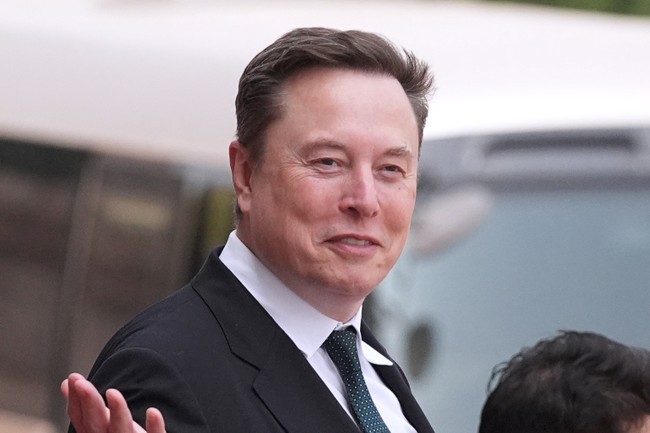
Tech billionaire Elon Musk recently gave $1.5 million to a group backing repeal, which is a sizable boost for the repeal effort and a direct counter to the heavy out-of-state spending that supported RCV. The pro-RCV side has attracted large donations from wealthy donors who want the system to be a model for other states, while the anti-RCV coalition complains that those same donors treat Alaska as a laboratory. That complaint resonates with many voters who don’t like being experimented on by distant interests.
Tech billionaire Elon Musk has given $1.5 million to a group supporting the repeal of Alaska’s voting system, according to a report filed with the state Friday.
Ballot Measure 2, which will appear on the November ballot, seeks to repeal Alaska’s ranked choice voting method, along with open primaries and campaign finance laws that were themselves adopted by ballot measure in 2020.
Musk gave $1.5 million last month to the Aurora Action Network, a Wisconsin-based political action committee that has already collected contributions from numerous billionaire megadonors, including Dick Uihlein, Jeff Yass, Timothy Mellon and Hilcorp owner Jeffery Hildebrand. Aurora Action Network then gave the repeal campaign $1 million in late July.
Musk’s contribution, which make up a sizable share of the repeal campaign’s fundraising, could prove pivotal for the future of Alaska’s elections.
That blockquote outlines the cash flow plainly: Musk gave to Aurora Action Network, which funneled money into the repeal campaign. This is exactly the kind of outside money that many Alaskans find objectionable when it comes with national aims. The pro-RCV donors want to promote the system as a blueprint elsewhere, and their willingness to spend big here shows how Alaska can be a test case for broader political experiments.
For conservatives and many rural voters, there’s a straightforward objection: ranked-choice voting can dilute clear majority choices and introduce unpredictable outcomes that benefit organized, well-funded interests. The argument from the other side is that RCV eliminates spoilers and produces more consensus winners, but real-world results have left plenty of voters unconvinced. When people in red communities see results that seem to advantage the ideological left, skepticism grows fast.
Complicating this ballot fight is the fact that the repeal measure doesn’t just target RCV; it would also roll back open primaries and certain campaign finance transparency rules. That combination makes the ballot language messy and strategic, and some conservatives would have preferred a single-issue question focused only on RCV. Still, many on the right view restoring closed partisan primaries and pick-one general elections as a return to clearer, more accountable voting mechanics.
Money matters in these contests. In 2024 opponents of repeal outspent supporters by a wide margin, yet the margin of defeat for the repeal was tiny, showing how effective grassroots organizing and local sentiment can be even when outspent. Musk’s donation helps level the playing field this time, and it sends a signal that big donors from outside are not on one side alone. That dynamic changes the calculus for campaigns and voters alike.
Meanwhile, locals in places like the Susitna Valley remain skeptical of distant influence and of systems that feel imposed from outside. Conversations on Main Street, at local shops and over coffee show a mix of frustration and resolve among conservative voters who want elections that reflect straightforward choice and accountability. This environment makes the repeal campaign’s message resonate in many communities across Alaska.
The argument now is tactical and practical: get enough Alaskans to view RCV as unnecessary and to prefer the clarity of traditional primaries and pick-one generals. The coming months will test whether outside dollars, local organizing, and the tight memory of that 700-vote margin combine to flip the outcome.


Add comment