
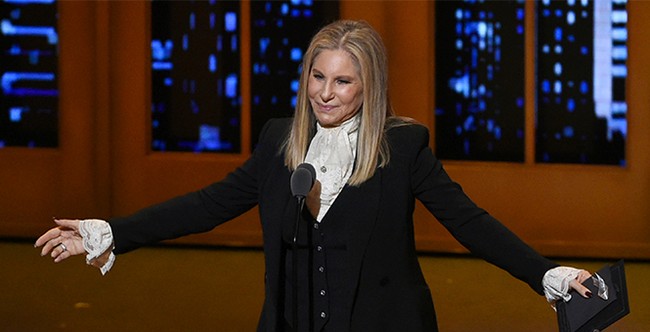
I’ll lay out why Barbra Streisand’s plea for mercy toward Dr. Anthony Fauci landed poorly with conservatives, how her public comments fit into the larger political fight over COVID-era accountability, and why many on the right see this as another celebrity try to silence oversight while ignoring inconvenient facts.
Barbra Streisand publicly called the recent Republican push to question Dr. Anthony Fauci a “witch hunt,” and she did it loudly enough to draw a reaction. Conservatives view these hearings not as partisan show trials but as attempts to get clear answers about public health decisions that cost lives and liberties. Streisand’s intervention turned a routine political dispute into a cultural moment, with reactions that were sharp and often unforgiving.
Her statement invoked Fauci’s long public service and credited him with work during the AIDS crisis and the COVID pandemic. Many on the right respect public servants who serve faithfully, but they also insist that no one is above accountability. For Republicans, the contempt vote and related inquiries are about transparency and preventing future policy mistakes, not settling grudges.
Streisand shared her views on a social platform, framing Fauci as “a voice of reason” during the pandemic and accusing Senate Republicans of “attempting to rewrite the history of the pandemic.” That kind of language carries weight with her fans, but conservatives saw it as tone-deaf. When celebrities wade into policy fights, their moral authority is judged against their own records and actions during the same events.
https://x.com/BreitbartNews/status/2086171139194101893
The cultural clash escalated online, where supporters of Fauci praised his decades in public health and opponents dug into details from the pandemic years. Republicans pointed to decisions and mixed messaging that affected millions and argued those deserve scrutiny in a constitutional republic. The rancor is not new; it traces back to split views on lockdowns, vaccine mandates, and how health agencies communicated risks.
Streisand’s defense of Fauci also reopened discussions about celebrity influence and accountability. Conservatives argued that a famous name shouldn’t shield officials from questions about policy or ethics. The pushback emphasized that hearings and votes are mechanisms to protect the public interest, not partisan witch hunts, and that oversight helps restore trust after any major public crisis.
Critics on the right also noted Streisand’s personal financial ties to pandemic relief programs, suggesting a double standard when she criticizes congressional scrutiny. Her production company reportedly received significant pandemic relief funds, which some say undermines her moral high ground. That point fed the argument that public figures should expect their records to be examined when they weigh in on public policy disputes.
Online replies to Streisand’s post ranged from earnest defense of Fauci to sarcastic and scathing responses aimed at celebrities who speak on complex policy matters. Conservatives framed their responses around the principle that public servants must answer tough questions, especially when those choices affected public freedoms and economic life. Opinion on both sides hardened quickly, turning the exchange into another skirmish in the broader culture war.
Beyond the headlines, Republicans insist this is about rules and precedent. They argue that if leaders avoid accountability now, future crises will be managed with less transparency and more centralized power. The fight over Fauci is therefore presented as a stand for institutional checks, not mere partisan revenge, and many on the right say they will press those points regardless of celebrity outcry.
The Streisand episode also reinforced a common conservative stance: expertise does not equal immunity. Respect for experience matters, but it does not replace the need for records, testimony, and oversight. Republicans maintain that a robust process of questioning helps separate honest mistakes from systemic failures and keeps public institutions answerable to the people they serve.
Finally, this moment highlights how cultural elites and political actors collide in modern public discourse. When a high-profile entertainer defends a controversial public figure, it can rally supporters but also sharpen opposition. Conservatives view their response as defending institutional accountability, and they expect that argument to continue in hearings, votes, and public debate across the country.
Dr. Anthony Fauci has been subjected to a disgraceful witch hunt by Senate Republicans. Dr Fauci is an American hero. He was instrumental during the AIDS crisis to stop disinformation and pushed to discover the vaccine to allow AIDS patients to live with the virus.
Amid the horrors of the Covid pandemic which killed one million Americans, Dr Fauci was a voice of reason and helped speed the development of the vaccine to prevent hospitalization. The GOP is attempting to rewrite the history of the pandemic.
Streisand has been outspoken about politics for years, and this episode shows how celebrity endorsements of public figures can backfire politically. Conservatives say they welcome debate, but they also insist on records and answers when government decisions have lasting consequences. That insistence is likely to shape the next phase of oversight and public conversation.
Her remarks and the Republican response are part of a larger, ongoing national argument about power, accountability, and who gets to define the record of the pandemic years. Expect more high-profile interventions, sharper partisan lines, and continued emphasis from conservatives on transparency and consequences for public officials when those facts are in question.
Streisand’s intervention changed the tone of a congressional moment, but for Republicans this is still about verifying decisions and protecting future liberty through oversight and public scrutiny.

Add comment