
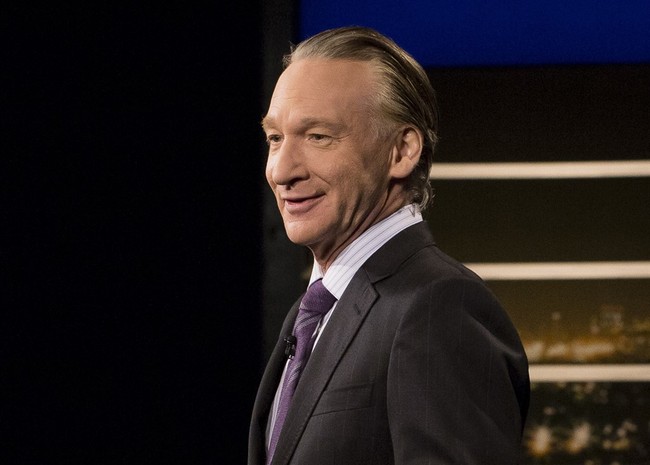
Bill Maher delivered a sharp, no-nonsense critique of Anthony Fauci, Democratic socialists, and left-leaning candidates, calling out what he sees as performative fame, ideological excess, and political flip-flops in recent commentary and appearances.
On his show, Maher targeted Dr. Anthony Fauci with pointed ridicule that mixed satire and blunt judgment. He framed Fauci’s public persona as self-referential and energized by a particular cultural circle, arguing that the doctor’s behavior looks less like sober public service and more like celebrity cultivation. Maher’s blunt style didn’t spare the trappings of fame surrounding health officials who rose to prominence during the pandemic.
Maher launched into a bit that compared lines from Trump and Fauci to expose how similar some of the rhetoric can sound when stripped of context. He staged the comparison as a game and used it to highlight what he sees as Fauci’s “main character” tendencies. That framing was meant to show how easily public figures can slide from authority to theatricality.
Warning for graphic language:
“Last week I played a game here called, ‘Who said it: Fauci or Trump?’” Maher said. “Let’s play!”
https://x.com/overton_news/status/2085958305533309152
Maher noted how “energized” Fauci appeared to be from the embrace of “one particular cultural tribe.” He suggested that the applause and validation from that group fed a celebrity mindset more than it showed principled leadership. To Maher, the optics of that adulation undercut the idea that Fauci was simply a neutral scientist offering guidance.
He amplified a related point by arguing that some figures who championed strict pandemic measures have made those stances central to their identity. Maher quoted commentary that framed organizing life around COVID as an ideological choice for some progressives, using that to push back on uncritical hero worship. His critique tied celebrity culture to political identity in a way that questioned motives and consistency.
Maher also mocked a picture of attendees at a Democratic Socialists of America meeting who were wearing masks during a summer month, using it to poke fun at what he called performative extremity. He used the image as a symbol of a faction of the left he believes is out of step with mainstream Americans on common-sense timing and priorities. The comedic roast moved from individual behavior to a broader critique of political signaling.
MAHER: “I showed this picture last week…”
[Photo of people in masks]
“That’s a Democratic Socialist meeting in Colorado…LAST MONTH!”
“Now, that’s extreme, but it’s the direction that that half of the country tends toward.”
“David Leonhardt studied this issue and wrote of Democrats during the pandemic; ‘organizing their lives around COVID is core to their identity as progressives.’”
“And that is the place where I have a problem with the hero worship of Anthony Fauci.”
“Because it seems fame is a drug with a 100% addiction rate.”
Maher didn’t limit his attention to elite figures; he also took aim at socialist-leaning political candidates who try to distance themselves from earlier statements. He called out those who backpedal from controversial remarks and urged voters to pay attention to patterns, not polished apologies. His point was simple: past comments and policy positions don’t vanish just because a campaign tries to rewrite history.
He argued that accountability matters, and that political theater should not substitute for clear explanations or genuine change. When candidates claim they’ve evolved, Maher said it’s reasonable to ask for specifics and for evidence that the evolution isn’t just tactical. That line of critique landed as a demand for consistency rather than simple partisan attack.
Maher also skewered a Democratic candidate in Wisconsin, labeling her recent shifts as the kind of political flip-flop that leaves voters skeptical. He described the situation as damaging to the candidate’s credibility and suggested that repeated reversals erode trust with the electorate. The remarks were part satire and part warning about the electoral consequences of perceived dishonesty.
Across the segments, Maher used humor to sharpen political critique and to call out the left’s tendency toward theatrical displays and rigid identity positions. His approach blended mockery with substantive questions about leadership, credibility, and the public’s right to assess consistency. Whether you agree with his targets or not, the routine was meant to provoke scrutiny of political fashion as much as policy.
The show’s tone mixed entertainment and political commentary, with Maher positioning himself as both comedian and skeptical observer. He applied the same skeptical lens to institutional fame, activist posturing, and candidates who pivot under pressure. In his view, voters deserve clear answers and honest records, not spin or stagecraft.
Add comment