
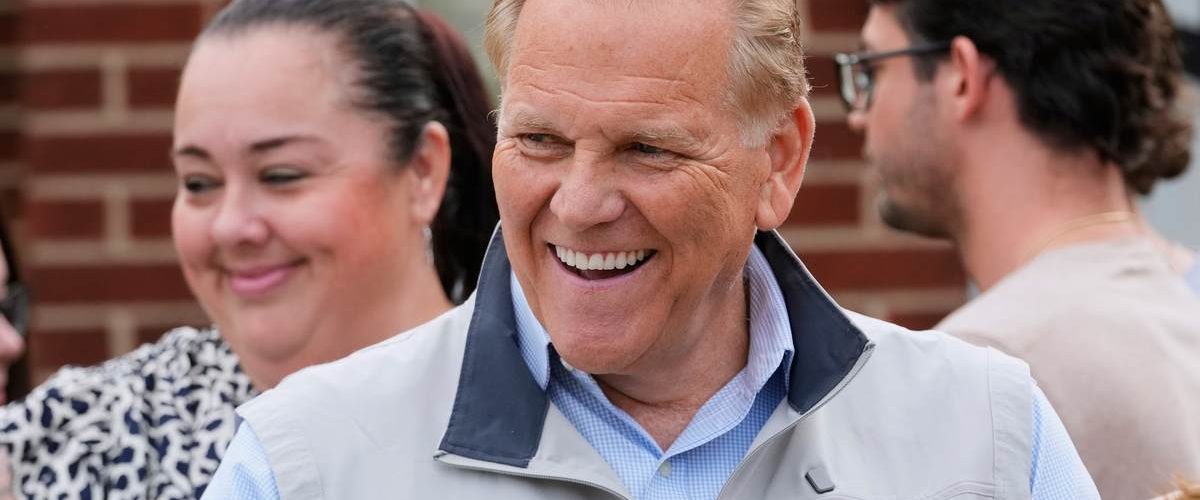
Mike Rogers seized on Abdul El-Sayed’s college football gaffe and turned it into a blunt contrast between two different kinds of candidates: one who seems rooted in Michigan culture and one who keeps tripping over basic local knowledge and sensibilities. This piece looks at the botched “Ohio” comment, the broader pattern of El-Sayed trying to posture as an everyman, and Rogers’ response that leaned into Michigan identity and common-sense values. It highlights how small missteps can amplify questions about cultural fit and authenticity in a statewide race. Embedded clips from the exchange and the Rogers ad are included where they originally appeared.
Abdul El-Sayed has been working to sell himself as a relatable guy, but those efforts have been uneven and sometimes tone-deaf. Attempts to play up everyday charm collided with a public history of comments and associations that raise eyebrows among mainstream voters. A recent interview meant to show enthusiasm for the football season instead exposed a basic unfamiliarity with the state’s own college-football landscape.
In the interview, El-Sayed told an audience he was “excited” about beating “Ohio,” a slip that prompted immediate, pointed correction from local voices familiar with the rivalries. Michigan voters understand the difference between Ohio and Ohio State, and that kind of mix-up reads as unmoored from local traditions. In a place where college football and hometown pride matter, such a mistake isn’t just an offhand flub; it signals a cultural disconnect.
El-Sayed’s broader record also complicates the everyman image he tries to project. He’s attracted attention for friendships and past statements that most Michiganders find troubling, and those associations don’t mesh with the down-to-earth persona he attempts to adopt. When a candidate pairs awkward, elite-sounding rhetoric with slips about local staples, voters notice and judge who seems more like one of them.
That environment set the table for Mike Rogers to respond aggressively and simply. Rogers leaned into straightforward symbols of Michigan life—football, teamwork, and family ties to the sport—and framed the debate as common sense versus ideology. He presented himself as the kind of candidate who understands the state’s rhythms and priorities without needing to lecture about theory or labels.
Rogers’ ad amplified the contrast by showcasing his own football background and highlighting El-Sayed’s past comments about the sport. The ad’s staging—Rogers in a Michigan jacket and his wife wearing rival gear—telegraphed confidence and a willingness to own local loyalties without apology. That was a deliberate signal: voters who care about football and local identity will get a clear choice at the ballot box.
https://x.com/LarryOConnor/status/2093473900734595240
“Well, I’ll tell you what I’m excited about. All right, it’s about to be football season, and you mentioned Ohio for some reason in this interview, and I can’t wait to beat Ohio.
And let’s just remember, J.D. Vance — Ohio J.D. Vance, Peter Thiel J.D. Vance — is coming to Michigan next week. They are putting a spotlight on this campaign for a reason.”
Rogers didn’t just attack; he offered a simple, relatable backstory about growing up around football and learning teamwork on the field. That line of appeal lands in a state where blue-collar roots and community sports are part of daily life. Presenting political differences in terms of who shares those roots is an effective way to turn a minor gaffe into a larger question about cultural alignment.
The contrast is stark: Rogers projects the guy you’d want beside you at the bar watching a game, while El-Sayed risks coming across as someone who lectures rather than connects. That perception matters in retail politics, where personality and relatability often decide close races. Voters look for signals that a candidate understands and respects local norms, and small missteps can pile up when they fit a larger pattern.
In practical terms, this episode shows how cultural literacy and authenticity play a role in modern campaigning. Candidates who want to win in Michigan need to show more than policy chops; they must demonstrate a feel for the state’s identity. Rogers’ move was strategic: he framed the choice as common-sense Michigan values against what he cast as out-of-touch ideology.
For voters weighing character and fit, the football comment became a shorthand for broader doubts about El-Sayed’s connection to the electorate. The episode didn’t invent those doubts; it amplified them and gave Rogers an opening to define the race on familiar territory. In a close contest, narratives like that can shift momentum and voter perceptions quickly.
My dad was a football coach at Redford Union. I played football all through high school. On the gridiron, I learned about teamwork and toughness.
Abdul, well, he says football is racist, sexist, and dominated by toxic masculinity.
So let’s get this straight. Abdul thinks football is bad, but men playing women’s sports is good.
That’s just not who we are in Michigan.
I’m Mike Rogers, and I approve this message.
Common sense versus crazy. That’s Michigan’s choice.

Add comment