
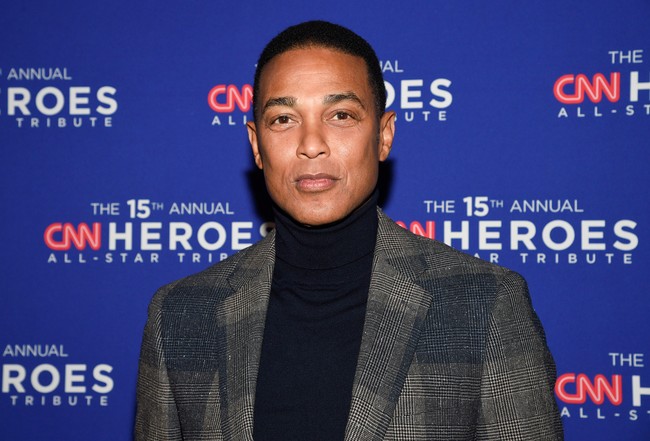
The federal case against Don Lemon centers on his role in a January disruption at Cities Church in St. Paul, Minnesota, where anti-ICE protesters interrupted a service. Lemon has pleaded not guilty and filed three motions seeking dismissal, arguing vindictive prosecution, First Amendment protection, and misapplication of statutes. His lawyers say political attacks by President Trump and others show motive, while prosecutors point to video and eyewitness accounts. The court now has to sort whether this is protected reporting or criminal participation in a church takeover.
Don Lemon has asked a federal judge to dismiss criminal charges tied to the church incident and to expose what his lawyers call a politically driven prosecution. The filings attack the Justice Department on three fronts: vindictive prosecution, First Amendment protection for his livestreaming, and improper statutory interpretation. He has pleaded not guilty and his defense is fronted by Abbe Lowell, a well-known D.C. defense attorney.
The charges allege Lemon conspired to interfere with religious rights and violated the Freedom of Access to Clinic Entrances Act, which covers houses of worship. These are serious federal counts stemming from a Jan. 18 event where activists stormed Cities Church, interrupted a Sunday service, and frightened worshippers. Prosecutors describe the episode as a “takeover-style attack” and say video shows active disruption inside the sanctuary.
Lemon streamed the event live on his online show and provided running commentary as the crowd moved through the church. Prosecutors say that stream and other footage demonstrate more than passive reporting, calling into question whether he merely documented the scene or encouraged it. Lemon insists he was a journalist doing his job, while critics argue he cheered demonstrators and amplified their actions for an audience.
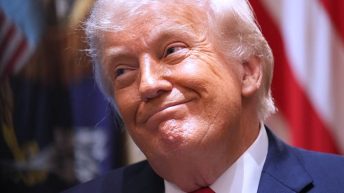
Lowell frames the government’s case as retaliation for a long string of insults from President Trump and critical statements from Trump-aligned officials. The defense claims Lemon was targeted because his journalism drew political fire, arguing that existing public criticism establishes the DOJ’s malicious intent. Those arguments rest on the notion that political speech by powerful figures equates to prosecutorial motive in a criminal case.
“The government should not be permitted to use criminal prosecutions to chill journalism disfavored by the President. The targeting of Mr. Lemon for criticism even before the Minnesota protests, and then the attacks starting on and continuing after, provide more than sufficient grounds to conclude the prosecution of Mr. Lemon is vindictive.”
The motion spells out, in blunt terms, the sequence of insults and public comments aimed at Lemon as evidence of improper motive. It points to descriptions of Lemon as a “loser,” “lightweight,” and “sleazebag” in public discourse, and quotes officials who denounced his reporting style. The defense also emphasizes statements from DOJ figures who publicly signaled investigations into those involved at the church, suggesting a link between political commentary and charging decisions.
Prosecutors did not move directly to an arrest warrant at first; a magistrate judge initially declined, and the government pursued expedited review and ultimately sought a grand jury. Lemon’s lawyers highlight that path to question the government’s certainty and procedure, arguing it reflects a rocky prosecutorial road. Critics will say the grand jury process ended the debate by returning an indictment, while the defense says the process itself deserves scrutiny.
The defense also objects to the way federal agents executed the arrest, describing a late-night hotel pickup rather than an orderly surrender as humiliating. The filing accuses an agent of false sworn statements claiming Lemon chanted and blocked parishioners, while Lemon’s camp counters with video showing him interviewing various people, including church members and the pastor. The defense insists the footage proves he was not an active participant in the protests.
Local prosecutors in St. Paul declined to bring state charges, citing insufficient evidence, which the church pastor called an alarming message to would-be agitators. That decision left the Justice Department to act where the city would not, and federal authorities pursued charges against close to 40 people tied to the incident. The federal approach shows the administration was willing to step in after local officials opted out.
The filings acknowledge the uphill nature of proving vindictive prosecution, noting charging decisions carry a presumption of regularity and defendants need objective evidence beyond political sniping. The defense argues presidential insults and public posts might provide motive to explore through discovery and an evidentiary hearing. Lemon is asking either to have the indictment dismissed with prejudice or, failing that, to gain full access to the prosecution’s motives and evidence.
At its core the dispute is straightforward: was Lemon acting as a journalist preserved by the First Amendment, or was he part of a coordinated effort that violated worshipers’ rights? The answer will rest on the tapes, the testimony, and how the court evaluates claims of political pressure. Either way, the case tests the line between aggressive reporting and criminal conduct when a protest tears apart a house of worship.
Add comment