
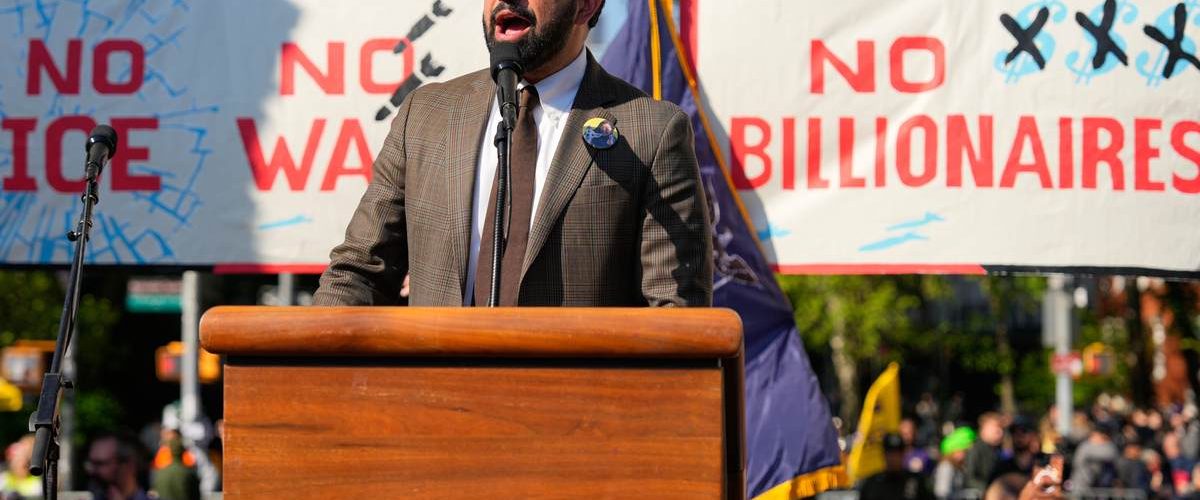
Zohran Mamdani posted a public expression of sorrow after the death of an inmate accused in a brutal Bronx laundromat murder, and that single message set off a fierce online reaction about priorities, justice, and public safety in New York City.
Sometimes a single moment communicates more than pages of policy statements, and this case is no exception. The reference to classic lines like “I cannot tell a lie” and “Give me liberty or give me death!” underscores how public gestures and rhetoric shape reputation. When a mayor chooses tone and focus in a charged situation, people take notice fast.
In late July, video of a 16-year-old lifeguard risking his life to save someone else drew praise for selfless bravery, creating a sharp contrast with the reaction to this incident. The alleged attacker, Clarence Woodward, reportedly had a long criminal history and was out on parole when a father of two was killed with a meat cleaver at a Bronx laundromat. That violent image is central to why many reacted so strongly to the mayor’s tweet.
Mamdani’s public statement began with, “I am deeply saddened by the death of a New Yorker in City custody at a jail on Rikers Island early this morning. My thoughts are with his family and loved ones as they grieve this loss.” Those opening lines framed the conversation around the inmate rather than the slain victim, which many readers found jarring. The follow-up claimed uncertainty about cause of death while asserting broader concerns about conditions on Rikers and promising investigations.
The choice to foreground concern for an accused murderer in custody is what drove much of the backlash. Critics argued that empathy should also extend to the family of the man allegedly murdered inside the laundromat, and they wanted to see equal public emphasis on accountability and the victim’s family. At minimum, many expected a pause for facts before a public expression that could be perceived as leaning toward the accused.
Local authorities stated they had called a “medical emergency on behalf of” the 41-year-old in custody, and official sources emphasized that the cause of death was not yet known. That detail does not erase the sharp optics of mourning an inmate accused of a grisly homicide before addressing the family of the slain father. For plenty of people, optics matter as much as facts when public officials speak.
https://x.com/NYCMayor/status/2092293181748752611?ref_src=twsrc%5Etfw
When wrongdoing is uncovered, investigators have processes to follow and will pursue appropriate action. But the timing and tone of public communications from elected leaders shape public trust, especially in cities wrestling with crime, parole decisions, and pressure on law enforcement. The mayor’s emphasis on closing Rikers and improving jail conditions is a policy stance, yet it arrived in this instance wrapped in language that many saw as misplaced compassion.
Social media reactions were swift and cutting, with local politicians and commentators calling attention to what they saw as an imbalance in priorities. “I wonder if he was ‘deeply saddened’ by the murder this guy committed,” wrote one city council member, pointing out the lack of a comparable public message for the victim. That kind of pushback reflects broader frustration over how urban leaders address crime and public safety.
Other critics framed Mamdani’s post as part of a pattern they associate with policies they label socialist, arguing those policies can produce softer stances toward offenders and harder consequences for victims. Supporters of reform counter that jail conditions deserve oversight and that human life in custody matters, but the debate often collapses into sharp, polarized reactions. This episode shows how quickly a single tweet can become a political flashpoint.
Further public responses included pointed commentary from media personalities and former candidates, amplifying the criticism. Some described the mayor’s tone as “deranged” and said the message revealed priorities out of step with many New Yorkers’ concerns about violent crime. Those reactions kept the story alive across platforms long after the initial post.
What remains clear is that the incident reopened questions about parole practices, jail oversight, and how civic leaders balance compassion with condemnation. Citizens expect elected officials to show restraint and fairness when facts are still emerging, and they expect visible sympathy for victims and their families. In a city strained by crime and political fights over reform, each public statement carries outsized weight.
The conversation this sparked will feed into wider debates about public safety and governance in New York, and it will influence how voters and residents judge leaders who choose words before full details are available. For many, a single tweet was enough to form a lasting impression about priorities and judgment. Those impressions are now part of the public record and will shape reactions to future messages from the mayor.


Home-based job that pays more than 12,000 Dollar per month by doing simple tasks on a laptop or mobile device part-time. Last month, I earned 24,863 Dollar from this job by working 4 hours per day online. Very simple jobs to do, and the earnings are insane. Everyone can now make more money online by joining the website listed below…..
𝒋𝒖𝒔𝒕 𝒖𝒔𝒊𝒏𝒈 𝒕𝒉𝒊𝒔 𝒔𝒊𝒕𝒆.. Www.PayAtHome1.Com