
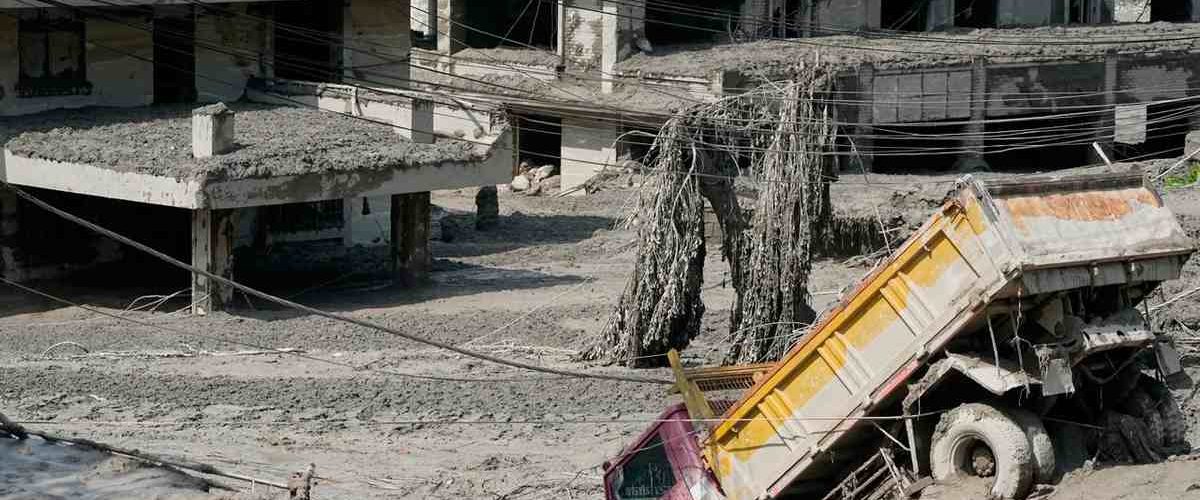
This article updates the Nepal-Tibet border disaster, reports on President Trump’s on-the-record reaction, tracks casualty and missing-person figures across both sides of the border, and notes the rare rescues that give families a sliver of hope amid devastating losses.
A massive landslide and flash flooding struck villages along the Nepal-Tibet border after an earthquake set loose a river-blocking collapse, producing scenes of destruction and confusion. Initial reports described hundreds missing and entire communities swept away, leaving rescuers racing against time and unstable terrain to pull survivors from mud and water. Official counts have changed quickly as teams continue to search difficult, remote areas on both sides of the border.
One early report said, “[h]undreds of tourists and locals are missing as a massive flash flood swept through villages along the border,” after the quake-triggered landslide blocked a river, and that preliminary tallies already listed hundreds unaccounted for. Local authorities immediately described a scenario far worse than ordinary floods—structures collapsing as torrents of debris and water hammered through settlements and carried people away. The scale and speed of the destruction made coordinated rescue operations extraordinarily difficult from the outset.
President Trump responded when asked about the footage showing the scene, calling the imagery “brutal” and adding, “that was mud and water…no one’s seen anything quite like it.” He described buildings crumbling as the deluge hit, noting the horror of watching entire neighborhoods vanish under a wall of moving earth. The president’s blunt reaction reflected the raw shock many felt seeing the damage and the human toll unfold on camera.
On Thursday evening, officials adjusted casualty figures upward as teams continued to recover bodies and identify survivors. One report cited a count of 389 people missing or dead according to local authorities, while other tallies and cross-border estimates pushed totals even higher when combining figures from Nepal and the Tibetan region. The complexity of the terrain and the chaotic conditions immediately after the collapse mean numbers will continue to change as search teams comb affected valleys and riverbeds.
Authorities listed nationalities among the missing and dead, and initial tallies mentioned significant numbers of foreign tourists caught in the disaster. Early breakdowns included nationals from multiple countries, underscoring the area’s role as a tourist destination and the vulnerability of visitors caught far from help. While foreign governments coordinate with local teams on identification and assistance, families wait anxiously for confirmation on loved ones.
One grim snapshot of early reporting read: “A preliminary toll from the Nepal tourism board put it at 384 people missing, including 93 Nepali nationals and 291 foreign nationals, and at least three American tourists. But that’s likely to go up.” That estimate captured the sense that the initial accounting was only the beginning of a long, painful recovery and identification process. As debris is cleared and more reaches are accessed, officials warned the figures could climb significantly.
https://x.com/RapidResponse47/status/2093030327203561632
Across the Tibetan border, state-run reporting confirmed further casualties and hundreds still unaccounted for, raising the possibility that the total number of affected people would be measured in the thousands. One report said, “Across the border in the Chinese region of Tibet, the state-run Xinhua News Agency reported on Thursday that three people were confirmed killed with 558 others still missing, citing local officials.” Combining tallies from both sides creates a fuller but more alarming picture of regional impact.
Nepali police said that at least 389 bodies had been recovered. At least 466 injured people have been rescued, police said.
Rescue teams have reported hundreds injured and scores of survivors pulled from mud, flooded buildings, and precarious ridgelines. Two Americans were reported rescued in early updates, a small but meaningful sign for families and diplomats working to account for their citizens. Later updates included confirmation from officials and reporters that a third American had been located and brought to safety, a development described as a sliver of a silver lining amid the wreckage.
Given how quickly and brutally the event unfolded, every successful rescue is being treated as a near miracle by local teams and international responders alike. Search-and-rescue crews, medical personnel, and volunteers have been working extended shifts under dangerous conditions, often using helicopters where ground access is blocked. International coordination has moved forward, with governments offering support and tracking the whereabouts of their nationals.
The scale of missing persons remains sobering, with officials reporting more than a thousand people unaccounted for at one point as searches continued into remote ravines. Losses will likely mount as recovery work progresses and more of the impacted river valley is reached. In the meantime, survivors and rescuers keep working together, and any successful recoveries are being celebrated as hard-won results from a brutal natural event.
Across the border in the Chinese region of Tibet, the state-run Xinhua News Agency reported on Thursday that three people were confirmed killed with 558 others still missing, citing local officials.
Editor’s Note: Thanks to President Trump and his administration’s bold leadership, we are once again respected on the world stage, and our enemies are being put on notice.



Add comment