
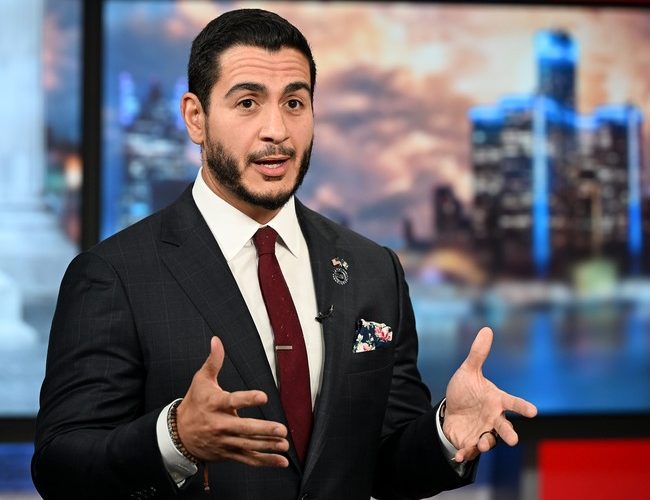
Mike Rogers moved quickly in the Michigan Senate contest to stake out a clear position and amplify it online, while his opponent Abdul El-Sayed stirred fresh controversy by re-engaging with an old clip in which he says he “hates” Mackinac Island, drawing heat over whether he respects a cherished state symbol and the governor’s summer residence.
— Mike Rogers (@MikeRogersForMI)
https://x.com/MikeRogersForMI/status/2085732696547053727
Rogers has been using social channels to make his case and to remind voters of his priorities, and that visibility matters in a crowded race. He’s also been reaching out on social media to let people know. This kind of active communication is a classic campaign move: get the message out and control the narrative before opponents do.
Smart, good move.
While Rogers was clearly on message, El-Sayed managed a misstep that reopened an old wound from his 2018 gubernatorial bid. He responded to a post about a documentary that includes a clip of him criticizing Mackinac Island, and by engaging he drew more attention to the remark. The clip, reportedly from his 2018 run and included in a 2020 documentary, resurfaced at a poor moment for his Senate effort because the island has symbolic importance for Michiganders.
El-Sayed’s line in the documentary is stark and exact: “Every time I’ve ever come here, I’ve hated it. Why am I here?” That quotation is the one driving the backlash, since Mackinac hosts the governor’s summer residence and the island is a beloved tourist destination. Critics argue the comment shows a disconnect from the cultural touchstones many voters care about, making it easier for opponents to question his statewide appeal.
His campaign’s explanation, according to supporters, was that his gripe targeted the Mackinac Policy Conference rather than the island itself, and that context matters when clips are pulled out for maximum political damage. Some supporters pointed this out while others tried to reframe the remark as political frustration, not disdain for a Michigan institution. Still, the initial soundbite is what stuck in many people’s minds, and that helped shape public reaction fast.
El-Sayed also commented on the island’s lack of cars, a long-standing local tradition, and that line didn’t land well with a number of voters. Observers noted that downplaying or dismissing local customs can look tone-deaf when you are asking to represent an entire state. In short, the combination of the “hates” quote and the reaction to the carless nature of Mackinac fed a narrative of being out of touch.
Campaigns are built on optics as much as on policy, and small moments can blow up into larger problems when opponents and media amplify them. Rogers seized the moment to contrast his own posture with El-Sayed’s misstep, using it as evidence of better judgment and steadier messaging. Political operatives know that these episodes don’t just vanish; they get replayed in ads, social feeds, and talking points.
For El-Sayed, the episode raises the usual strategic questions: how to clarify past remarks, how to offer sincere context, and how to pivot back to issues voters care about. It’s a tricky balancing act—deny too hard and you risk sounding defensive, accept the quote without explanation and you risk alienating potential supporters. The speed at which social clips go viral means there is little time to craft the perfect response.
Beyond the immediate flap, the exchange underscores a wider reality of modern campaigning in battleground states like Michigan: every line, every clip, and every casual comment can be used to shape voter impressions. Rogers’ approach shows how quickly a candidate can capitalize on an opponent’s stumble, and how modern communications amplify even old footage into new controversies.
Campaign watchers will be watching how El-Sayed handles the fallout and whether he can refocus the race on policy and voter concerns. Some supporters will continue to insist context clears him, while opponents will pound the clip to force a lasting narrative.
In a contest where turnout, trust, and image matter, these moments can matter more than people expect, and both campaigns know every exchange can shift momentum. The coming days will show if Rogers’ quick, visible moves keep him ahead in the conversation and whether El-Sayed can recover from a resurfaced comment that many Michiganders found jarring.
Mike Rogers got it right.



Add comment