
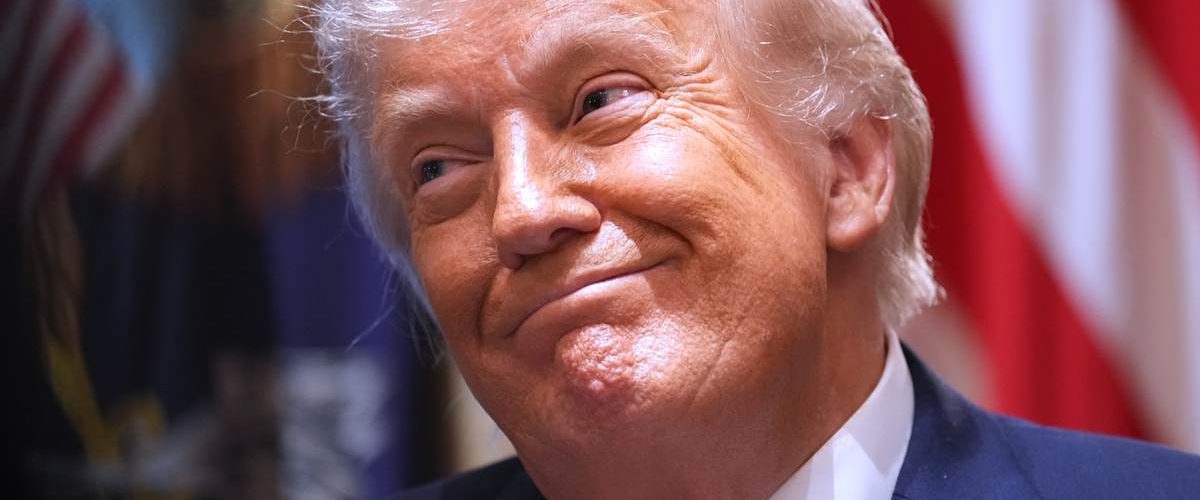
The White House and President Trump sparked a new feud by renaming Lake Ontario to “Lake America,” and Democrats have vowed a legislative response while critics say the move risks diplomacy with Canada; reactions range from furious denunciations to mocking commentary, and the dispute now sits squarely between executive action and partisan pushback.
The executive order that renamed Lake Ontario to Lake America set a 30-day deadline for the Interior Department to update federal geographic records, and that simple administrative directive instantly became a political flashpoint. The renaming was presented as a patriotic gesture, and supporters framed it as a straightforward act of national pride. Opponents treated it like a provocation, arguing it complicates relations with Canada and undermines normal diplomatic protocol.
Rep. Tim Kennedy said he is “working on a bill” in response to the order, positioning himself as a lawmaker ready to challenge the president’s move through legislation. Kennedy, who co-chairs the bipartisan Northern Border Caucus, framed his concern around economic and cross-border negotiations with Canada. His comments made clear this won’t be purely symbolic; lawmakers are talking about concrete legal steps to reverse the change.
Kennedy went further and called the rename the work of a “petty, vindictive, failed president,” language that underlines how heated the reaction has been. The White House pushed back quickly through spokesperson Taylor Rogers, asking pointedly, “Does the Congressman not love America?” That jab signaled the administration would treat criticism as performative rather than substantive.
The White House also taunted critics with a public post that read, “TDS TRIGGER WARNING: Lake America is officially on the map,” suggesting this renaming might be the first of several attention-grabbing acts. That message aimed to frame opponents as suffering from “Trump Derangement Syndrome” and to imply that outrage would be predictable but politically ineffective. Critics were not amused; they viewed the tone as dismissive of legitimate diplomatic concerns.
https://x.com/FoxNews/status/2093027529678323761
Some Democrats, including Rep. Debbie Dingell, called the order “absolutely insane” and said she “deeply resents” the renaming, casting the move as an irresponsible stunt rather than a policy decision. Those words reflect a deeper partisan split: for Democrats this is symptomatic of a broader pattern, while for supporters it’s a display of unapologetic patriotism. The rhetorical gulf is wide, and both sides are using the dispute to score political points.
Beyond the headlines, there are real questions about legal authority and administrative practice. Federal naming conventions are handled by the U.S. Board on Geographic Names and involve coordination with state and international counterparts in some cases. An executive order can direct agencies to change federal records, but that does not erase historical usage or international agreements overnight, and that complexity fuels the debate.
Political strategists on both sides see opportunity. Republicans point to the move as a culture-affirming win that rallies a base eager for symbolic acts of national identity. Democrats view any attempt to rename geographic features unilaterally as an overreach and a distraction from governance, promising to push back with bills that could force votes or at least create political noise. The clash will test whether symbolic gestures can outlast procedural and legal hurdles.
Observers note the practical consequences too: maps, charts, treaties, and cross-border commerce could be affected if Canada objects or refuses to align its usage. Lawmakers raising concerns about economic negotiations aren’t just seeking headlines; they’re flagging potential operational complications that would need resolution through diplomacy or legislation. That real-world angle is why the debate matters beyond rhetoric.
The partisan war over Lake America also highlights a broader pattern of immediate, emotional reactions amplified by social media and partisan outlets. Critics on the left framed the renaming as reckless, while supporters reveled in the spectacle and the political theater surrounding it. Each side is using the episode to reinforce existing narratives about patriotism, governance, and the limits of presidential power.
With Republicans controlling Congress, analysts say Democrats may struggle to pass a repeal or reversal through normal legislative channels, setting up a clash of messaging and process more than a clean legal contest. If Democrats manage to regain control someday, the threat of unwinding such executive actions becomes more credible, but for now the immediate impact will be political theater and administrative adjustments. That timeline shapes how both parties are approaching the fight.
The debate over Lake America is less about geography and more about who gets to set the tone in American politics. The move has become a test of whether symbolic acts can carry political weight or whether procedural realities and diplomatic practice will blunt their effect. Expect both sides to keep the rhetoric sharp and the tactics aimed at mobilizing supporters for the next round.


Add comment