
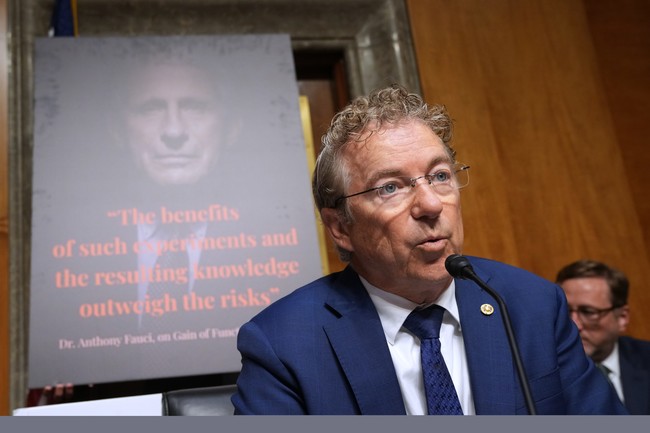
Sen. Rand Paul has moved quickly to pursue contempt charges against Dr. Anthony Fauci after Fauci repeatedly invoked the Fifth Amendment at a recent Senate hearing, and the Senate Homeland Security Committee plans to markup those charges before the chamber breaks for recess.
The move centers on Paul’s argument that Fauci cannot hide behind the Fifth Amendment after receiving a presidential pardon, and that Fauci waived any remaining privilege by offering opening remarks before refusing to answer substantive questions. Paul, who chairs the committee, is treating repeated refusals to answer under subpoena as obstruction of a congressional investigation. That stance has set the stage for a contested markup and likely floor fight before the Senate adjourns for summer recess.
BREAKING: Sen. Rand Paul is moving to hold Dr. Anthony Fauci in contempt of Congress after Fauci invoked the Fifth Amendment over a hundred times during last week’s Senate hearing.
The Senate Homeland Security and Governmental Affairs Committee is set to vote Thursday morning on Paul’s contempt resolution, which says Fauci refused to answer questions despite being under subpoena.
Paul argues Fauci’s Fifth Amendment protections no longer applied because of his presidential pardon and that Fauci also waived any remaining privilege by delivering opening testimony.
Fauci refused to answer anyway, which Paul says amounts to obstruction of a congressional investigation.
https://x.com/ChadPergram/status/2084626912198996213?ref_src=twsrc%5Etfw
The contempt resolution is specifically tied to subpoenas issued to Fauci, and Paul has framed the issue as one of accountability and the rule of law. Committee members will weigh whether invoking the Fifth repeatedly in the face of a pardon and opening testimony constitutes a valid shield. Republicans on the panel have emphasized that Congress has a responsibility to investigate decisions made during the pandemic and to compel testimony where appropriate.
Paul set the markup for Thursday and has publicly stated that he ordered Fauci to answer after concluding the Fifth did not apply, warning of contempt if Fauci continued to refuse. The timing matters: with the Senate’s summer recess looming at the end of the week, swift action is designed to prevent the matter from disappearing into procedural limbo. The potential contempt vote would be an escalation intended to force legal and political clarity.
Senate Homeland Security Cmte chair Paul sets Fauci contempt of Congress markup for Thursday. subpoena.
Paul: “Dr. Fauci appeared under subpoena and invoked the Fifth Amendment to refuse answering questions. During the hearing, I ruled that the Fifth Amendment did not apply because of the pardon, and that Fauci had waived any remaining privilege by giving opening testimony. I ordered him to answer and warned him about contempt, yet he still refused. That is obstruction of a congressional investigation. The Committee will act accordingly.”
Senators on both sides will have to decide whether to escalate the matter to the full Senate or pursue alternate enforcement, such as referring the case to the Department of Justice. That path is fraught with political theater: Democrats will defend Fauci and spotlight the partisan nature of the inquiry, while Republicans will argue that no one is above congressional subpoena power. The dispute is likely to land in court eventually, whether through contempt proceedings or related enforcement actions.
Beyond legal technicalities, this fight speaks to larger questions about executive accountability and the oversight role of Congress. From the Republican perspective driving the contempt push, the core issue is simple: if officials give testimony and then decline to answer under oath, Congress must have remedies. Supporters of the move see it as a necessary step to secure documents and testimony that shaped national policy during a crisis.
The political optics will be immediate and intense. Conservatives will portray the effort as a defense of congressional authority and transparency, while critics will brand it as grandstanding. Either way, the markup and potential vote will deliver headlines and shape the next phase of oversight, keeping the Fauci story in the spotlight as lawmakers and the public sort through competing claims about privilege, pardon, and obstruction.
This action also raises questions about precedent: how will future nominees and officials approach congressional subpoenas if high-profile witnesses can refuse to answer after limited testimony? Republicans pushing contempt argue that allowing such behavior would hollow out oversight and set a dangerous example. The committee’s upcoming vote will test whether that argument carries sufficient weight among senators about to head into recess.



Add comment