
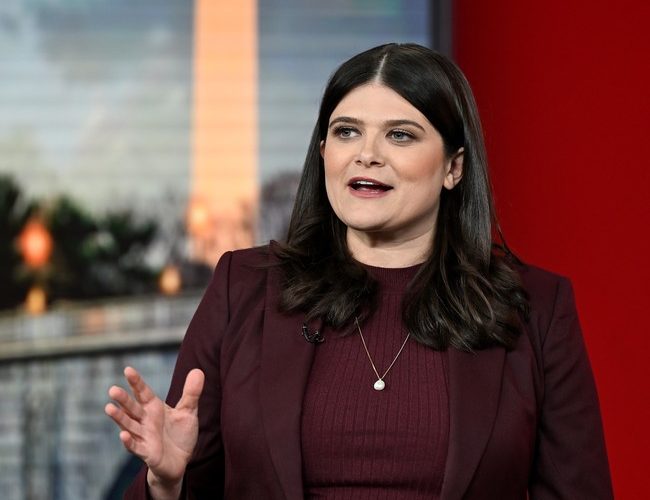
This piece examines the fallout from Rep. Haley Stevens’ exchange with Abdul El-Sayed in the Michigan Senate primary, highlights how her comments and subsequent endorsement-style reply shifted the race, notes recent polling trends, and explains why Republicans believe this opens a path for Mike Rogers in a state that has not sent a Republican to the Senate since 1994.
Haley Stevens is running in a bruising Democratic primary against Abdul El-Sayed for the U.S. Senate nomination in Michigan. The contest has been heated, with both sides trading sharp barbs over ideology and electability. Conservative observers see Stevens’ latest move as a tactical error that could hurt Democrats’ standing with moderate voters.
Stevens publicly accused El-Sayed of a grave charge when she wrote, “Everyone in America understands you want to blame all of your problems on Jewish Americans.” That line landed hard because it directly frames El-Sayed’s rhetoric as antisemitic and then questions the judgment of anyone who would support him. From a Republican perspective, the comment both exposes intra-party fractures and hands material to GOP messaging about Democratic extremism.
El-Sayed didn’t hold back either, calling Stevens the “least capable candidate…picked” by AIPAC. That jab not only attacks her competence but also tries to undercut her ties to establishment backers. Between the two, voters are left deciding whether either Democrat convincingly represents moderation or practical leadership.
When Stevens replied to MS NOW’s Al Sharpton she delivered a surprising follow-up that changed the tone of the confrontation. Her enthusiastic “You bet!” and statements that she would be “on the team,” and “would link arms and do whatever was needed,” read more like a unifying shout than the rebuke many expected. Conservatives argue that messaging reveals a willingness to prioritize party unity and power over pushing back on troubling rhetoric, a narrative Republicans will use in the general election.
That kind of response risks alienating moderate Democrats and independents who are already skeptical about party extremes. If voters were drawn to Stevens because they saw her as a check on the left, her arms-linked rhetoric undercuts that appeal. Republicans see the exchange as a free ad for Mike Rogers, portraying him as the steadier, more predictable choice in a polarized contest.
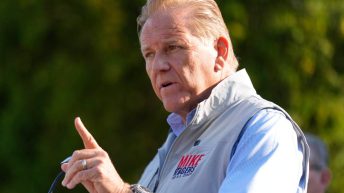
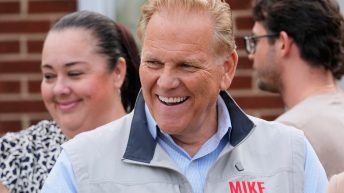
Stevens also faces a numbers problem. Recent polling shows El-Sayed has not led in four straight surveys, and the newest poll puts Mike Rogers three points ahead. Those figures are concerning for Democrats who hoped El-Sayed might surge on energy and grassroots enthusiasm. From the GOP angle, even a slim lead for Rogers signals an opportunity in a state that has trended purple and where turnout dynamics could flip a Senate seat.
The national context matters: Democrats’ internal debates over ideology and electability have become fodder for Republican messaging. Conservatives argue that when Democrats argue among themselves, it highlights a lack of coherent defense against extremism and raises doubts about who truly represents mainstream voters. That frame plays well in swing precincts and among independents who worry about stability and principle.
https://x.com/RNCResearch/status/2083668945530229195
History offers a reminder of how rare a GOP Senate victory in Michigan has been: the last Republican to win a Senate seat there did so in 1994. Republicans view that long drought as a challenge but also an opportunity, especially when Democratic unity frays in a high-profile primary. A well-timed Republican campaign focused on competence and national security could capitalize on Democratic divisions.
For Michigan voters weighing their options, the Stevens-El-Sayed exchange crystallizes broader questions about the Democratic Party’s direction and priorities. Conservatives will press the argument that Democrats fold to radicals when power is at stake and that Republican governance offers steadier leadership. As the primary concludes, each side will push hard to define what “electable” really means in 2026.
Whatever happens in the primary, Republicans are preparing to use these moments to make the case that Michigan deserves representation that values principle and practical results over factional loyalty. The coming weeks will show whether Democrats can close ranks without alienating moderates, or whether internal strife opens a clear lane for Mike Rogers and the GOP on the fall ballot.
Add comment