
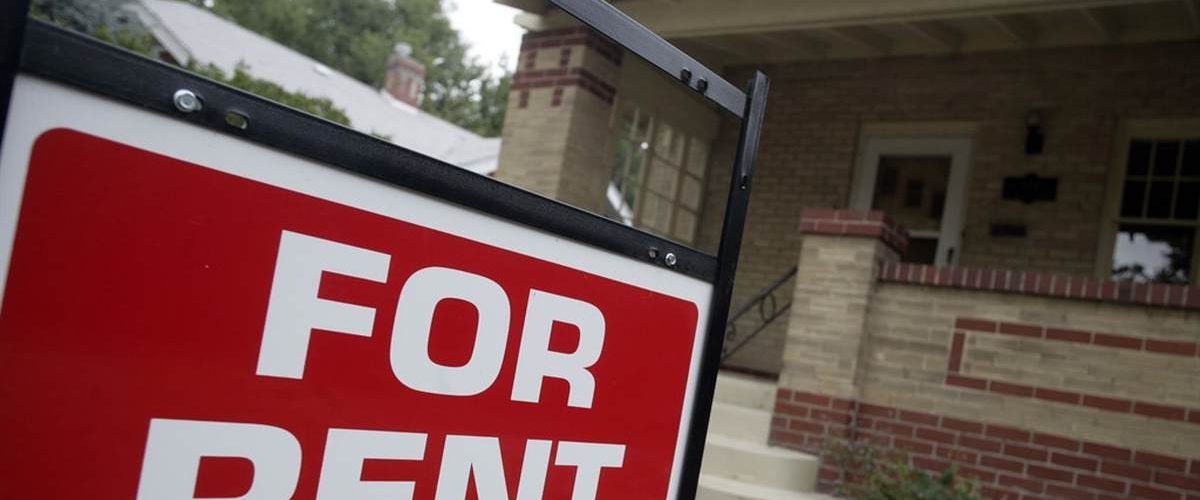
The Federal Trade Commission stepped in to stop a deal that kept a major competitor out of the apartment advertising market, restoring competition that could push down advertising costs and ease pressure on rents; the agency sued after Zillow paid Redfin $100 million to stay out of the rental listings market, and the settlement reached in late August forces Redfin back into the market with enforceable commitments and fresh investment. The move comes as housing affordability is strained, home prices and rents have surged for years, and legislative fixes aim to address supply and access while regulators tackle anti-competitive behavior by big tech players in real estate.
The post-pandemic housing market remains dislocated, with many Americans priced out of buying and staying in rentals longer than expected. That increased demand for rentals has pushed landlords to chase higher returns, which in turn has helped drive up rents across many markets. When dominant platforms tilt the playing field, the result is higher costs for consumers and fewer choices for property managers and renters alike.
Last year Zillow paid Redfin $100 million and agreed to keep Redfin out of the rental ad market for nine years, while still allowing Redfin to repost Zillow’s apartment listings. The Federal Trade Commission, joined by several states, sued last September claiming the deal was designed to dismantle Redfin as a rival in the ILS advertising market for multifamily rentals. The complaint argued the arrangement was not ancillary to a legitimate partnership but instead functioned as a payment to silence competition.
Defendants’ unlawful agreement—under which Zillow pays Redfin at least $100 million to stop competing, exit, and stay out of the ILS advertising market—violates Section 1 of the Sherman Act. The agreement is not ancillary to any actual partnership or joint venture between these direct competitors. This agreement to eliminate competition is obviously anticompetitive. It will result in reduced choice, higher prices, and reduced quality for multifamily rental advertising customers and will provide no cognizable procompetitive benefits.
The FTC secured an agreement on August 24 that requires Redfin to reenter the rental-ad market with many more apartment listings and to make binding investments so it returns as a stronger competitor than before. Regulators say advertising costs should fall as a result, which would reduce the pressure on landlords to raise rents in response to higher marketing fees. That sort of market correction is exactly the kind of outcome conservatives generally support: less manipulation by powerful companies and a freer market for consumers.
“This kind of payment to a competitor to exit a market and stop competing violates the antitrust laws,” said Daniel Guarnera, Director of the FTC’s Bureau of Competition. “This settlement delivers better, quicker, more certain results for both renters and property management companies than we would have been able to achieve after prevailing at trial, including firm and enforceable commitments by Redfin to relaunch its rentals advertising business.”
Given how squeezed buyers are, the rental market matters more than ever. John Sim, Head of Securitized Products Research at J.P. Morgan, notes that “Housing affordability remains strained,” and the cost-to-income ratio for buying a home sits at 35%, with buying cheaper than renting in only about 2% of metropolitan areas. Those numbers show why competition in rental listings can have a real impact for millions who can’t or won’t buy right now.
Other structural factors keep prices and rents elevated. Pandemic-era buyers have locked in low mortgage rates and often refuse to trade them for current rates around six percent, which reduces turnover and limits supply. The U.S. Treasury reports that inflation-adjusted house prices have risen about 65 percent since 2000, and the median home price now sits near an all-time high of $440,000 after 36 consecutive months of rising median prices.
Signs of relief are beginning to appear: inventory is slowly rising and the rate of price growth is easing in some places. Still, those shifts move slowly, and regulatory action to reverse explicit anti-competitive deals can speed relief to renters and property managers. Restoring rivals to the marketplace forces platforms to compete on price and quality, and that benefits consumers directly.
On the policy front, Congress has also moved: the 21st Century Road to Housing Act aims to unblock bottlenecks, encourage smaller mortgages, ease manufactured housing rules, support community banks, and limit outsized institutional purchases of single-family homes. Those reforms target supply and financing issues that have made housing unaffordable for many families and complement enforcement actions that preserve competition.
Ultimately, breaking up or preventing deals that muzzle competitors matters because it puts downward pressure on costs throughout the housing chain. For Republicans who favor markets and consumer choice, the FTC’s enforcement here shows regulators can and should act when powerful firms try to use money and influence to shut down rivals. That kind of enforcement, paired with sensible legislative reforms that expand supply and access, offers the best path to making housing more affordable again for working families.



Add comment