
California Democrats are publicly resisting any efforts to require English proficiency for commercial truck drivers, arguing tests or stricter enforcement are discriminatory. This article examines their responses after a viral incident showed a driver who could not read road signs, highlights quotes from gubernatorial candidates, and explains why many conservatives see the stance as putting politics above public safety.
When a tragic truck crash in Florida last August brought attention to unqualified drivers, it sparked a debate over who should be allowed behind the wheel of heavy commercial vehicles. California has become a focal point because so many commercial driver’s licenses are issued in blue states. Republican critics argue that allowing drivers who cannot read or speak English to operate semis is a clear public safety risk that state leaders must address.
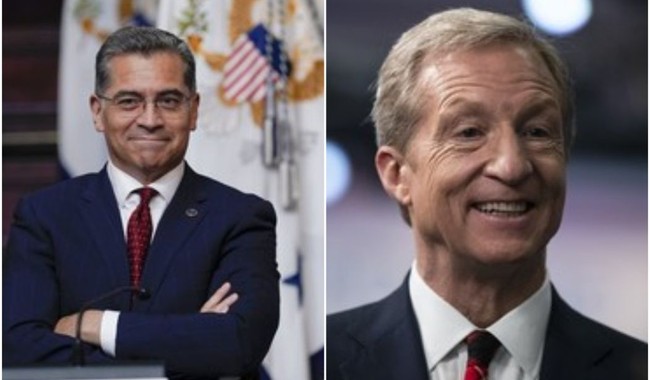
At an April debate, candidates reacted strongly after watching a video showing an immigrant truck driver struggling with road signs. Xavier Becerra responded, “I would definitely push back on the Trump administration on, again, a reckless policy.” Becerra added concerns about potential discrimination by officers administering tests and said, “I would make sure that that officer understands that he cannot discriminate against any driver without having a basis to do so. I understood a little bit of what that individual was trying to say. I couldn’t see the sign, but it certainly sounded like he was trying to describe what that particular sign was trying to represent.”
That defense of lax enforcement drew fire from conservatives who say safety should not take a back seat to political calculations. Billionaire Tom Steyer framed the issue through the prism of race when he said, “Racial profiling is illegal. And, in fact, picking on people based on the color of their skin in the state of California is illegal. I have a program for ICE that involves prosecuting them for racial profiling, prosecuting them for violence against Californians.”
Katie Porter also pledged resistance to federal policies she opposed and wove in concerns about broader traffic enforcement, describing a need for oversight and accountability. Her remarks reflected a common left-leaning tactic of shifting conversations about law enforcement practices toward systemic bias rather than focusing on the specific risk posed by underqualified commercial drivers.
The political calculus behind these positions is straightforward. Many Democrats see sanctuary policies and protections for immigrants as a path to solidifying long-term voter coalitions. Critics counter that this incentive structure encourages policies that can conflict with the immediate safety needs of citizens who use the same highways and interstates.
Primary frontrunner Steve Hilton offered a blunt rebuttal that echoed concerns shared by many voters when he said, “It is completely ridiculous that we have people driving on our roads who can’t understand road signs, and can’t speak English.” That short, direct line captures the frustration some feel when ideology appears to override common sense safety measures.
The debate illustrates a broader clash about enforcement, public safety, and immigration policy. Conservatives argue that requiring basic English comprehension for drivers of multi-ton rigs is not an unreasonable demand but a necessary standard to protect lives. Democrats who reject that standard say enforcement can be applied in ways that unfairly target minorities, and they prioritize immigration protections.
These competing priorities produce sharp differences in proposed policy. One side favors testing and tighter licensing standards for commercial vehicle operators. The other side warns that such measures can be weaponized and demands safeguards to prevent bias. Voters are left to weigh the trade-offs between stricter rules aimed at preventing accidents and concerns about civil liberties and discrimination.
At stake is more than a single test or a single crash. It is the question of whether public safety rules are enforced uniformly and whether elected officials will choose policies that put citizens first. The conversation in California makes that choice vivid because the state sets trends that other jurisdictions often follow.
For many voters, this issue boils down to a simple expectation: if you are trusted to operate dangerous commercial equipment on public roads, you should meet clear, enforceable standards. That demand is as much about protecting families and communities as it is about enforcing immigration law. The tension between protection and ideology will shape how this debate plays out in the months ahead.

Add comment