
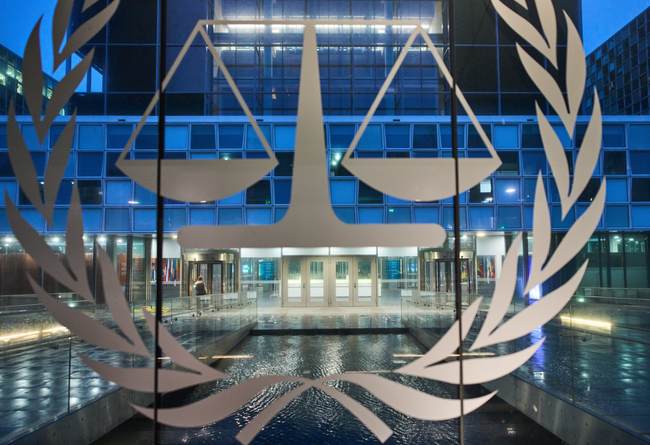
The Biden years are over, and this administration is acting like it means business: the U.S. is sanctioning top International Criminal Court officials, calling the court a threat to American sovereignty, and promising a broader campaign to undercut the ICC’s power — all while pointing to recent ICC moves against Israeli leaders and past probes that touched U.S. personnel as justification.
The International Criminal Court has been around since 2002 and counts roughly 125 member states, but the United States is not one of them. That separation has not stopped the ICC from pursuing actions the current administration sees as overreach. From Washington’s perspective, the court has repeatedly tried to reach beyond its lane and assert authority over people and nations that never agreed to its jurisdiction.
On Tuesday, Secretary of State Marco Rubio announced sanctions targeting the ICC president and a senior trial lawyer, framing the move as a defense of national sovereignty. The administration described the court as politicized and corrupt, and said it would use asset freezes and travel bans to limit the ICC’s reach. The message from officials is straightforward: U.S. citizens will not be hauled before an international tribunal for charges brought by a body the United States never joined.
https://x.com/IntlCrimCourt/status/1792511246769570084
Remember this?
Rubio made his announcement in blunt, plain terms and left little room for nuance. The sanctions are not symbolic theater — they include real constraints designed to cut officials off from U.S. financial networks and bar them from travel to American soil. The goal is not merely punishment, but deterrence: to make it costly for an international court to attempt what Washington calls jurisdictional overreach.
Last month, I launched a diplomatic campaign to dismantle the ICC’s threat to our national sovereignty. The Trump Administration is sanctioning ICC President Tomoko Akane and Senior Trial Lawyer Abdoulaye Seye in our unwavering mission to protect Americans from this sham of a court. In honor of our Declaration of Independence, Americans will never be transported beyond seas to be tried for pretend offenses.
The administration’s frustration traces back to high-profile moves by the ICC, including arrest warrants issued for Israeli leaders and inquiries tied to U.S. conduct in Afghanistan. Those actions, in Washington’s telling, illustrate the court’s bias and the danger of letting an unaccountable global body claim jurisdiction over nonconsenting nations. Republican leaders see that as a direct affront to the idea that sovereign nations answer to their own laws and courts first.
Rubio and other officials publicly call the ICC “a corrupt and fatally politicized supranational court that has maliciously abused its authority and exceeded its mandate.” That language is sharp because the stakes feel existential to them: if the ICC can go after leaders and soldiers from nonmember states, the precedent could be used against Americans in the future. From that perspective, safeguarding citizens and service members is not optional; it is essential.
In practical terms, the sanctions place financial and travel limits on named ICC officials, aiming to weaken their ability to operate freely. The administration says it will continue a whole-of-government effort to shrink the court’s influence, pressuring other countries to cut funding and pull back participation. Officials have signaled readiness to take additional measures if the ICC does not stop targeting people from non-States Parties.
The broader pitch from the administration is an appeal to allied governments that share concerns about international bodies exceeding their mandates. Washington expects allies to reconsider their relationships with the ICC if they value national sovereignty as a core principle. The aim is to build a coalition that can starve the court of resources and legitimacy until it no longer poses what the administration calls an institutional threat.
The Trump Administration has been clear: the International Criminal Court (ICC) is a corrupt and fatally politicized supranational court that has maliciously abused its authority and exceeded its mandate. We will not tolerate its assault on state sovereignty…
The ICC has repeatedly attempted to assert authority over nationals of the United States and other countries that have not consented to its jurisdiction or ratified the Rome Statute. This sets a dangerous precedent for all nations.
Republican policymakers are framing this as more than legal posturing; they see it as protecting American service members, officials, and everyday citizens from foreign legal jeopardy. That framing resonates with voters who prioritize sovereignty and view international institutions with skepticism. For this administration, the sanctions are a visible, decisive line in the sand.
Officials promise this effort will be sustained and expansive: “Our whole of government campaign to dismantle the threat posed by the ICC to national sovereignty will be sweeping,” the administration said, adding that more countries are expected to join by ending their funding and participation. The implication is clear — expect continued pressure, diplomatic outreach, and possibly further sanctions as long as the ICC pursues what Washington deems illegitimate cases.
Our whole of government campaign to dismantle the threat posed by the ICC to national sovereignty will be sweeping and we expect more countries to join our campaign by ending their funding and participation in this politicized and unaccountable court. The ICC’s ability to target American nationals and those of other non-States Parties must end. The Trump Administration stands ready to take additional measures, if necessary, to systematically dismantle the ICC until it is incapable of threatening American sovereignty.

Add comment