
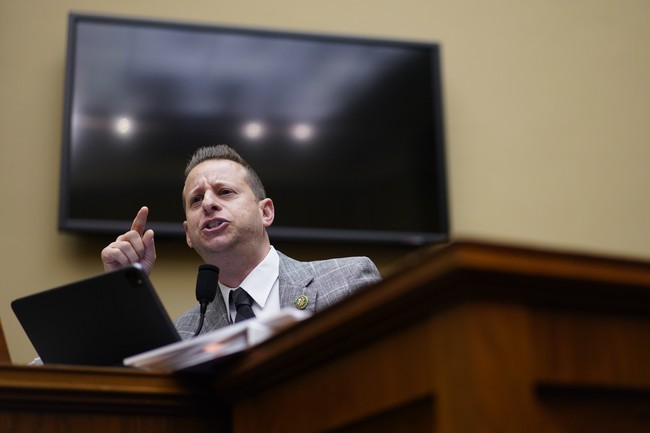
The Florida Democratic primary in the newly drawn 25th district ended as a decisive rebuke to the Democratic Socialists, with incumbent Jared Moskowitz winning comfortably over Oliver Larkin, a race that highlighted divisions over Israel, party extremism, and which direction Democratic voters want their representatives to take.
Voters in Florida’s 25th made their choice clear in the Democratic primary, favoring a pragmatic incumbent over a left-wing insurgent. Jared Moskowitz won by a wide margin, signaling that mainstream positions and support for Israel still carry weight with local Democrats. The outcome underscores how electability and steady leadership can trump ideological purity in swing districts.
Decision Desk HQ projected a strong result for Moskowitz, with a reported 63 percent to 36 percent advantage and most precincts counted. That kind of margin in a contested primary sends a message about voter priorities and the limits of the Democratic Socialists’ appeal in districts drawn to favor Republicans. Moskowitz’s margin will matter as he moves into a tougher general election in a district shaped by redistricting.
https://x.com/DecisionDeskHQ/status/2089852423724572776
One quoted statement from Moskowitz captured the tone of his campaign and the voters’ response: “Tonight, Democratic voters sent a clear message. I faced a challenge from the DSA (Democratic Socialists of America). They threw everything at me and I didn’t change who I am or what I believe, and the voters overwhelmingly chose the independent-minded approach I’ve brought to Congress,” Moskowitz said in a statement. “I led the effort to have Kristi Noem fired, I’ve taken on this Administration, and I’ve taken on extremes in the DSA and won. Now we’re running in a tough district hand-drawn by Republicans to defeat me, but I plan to win that too.” That full quote shows his mix of combative posture and confidence heading into November.
Moskowitz positioned himself clearly on a sensitive foreign policy matter, refusing to waver in support for Israel. He accepted support from pro-Israel groups and publicly denounced antisemitic rhetoric within his party. That stance differentiated him sharply from his opponent and likely reassured moderate and independent voters watching the primary.
Oliver Larkin ran as a candidate aligned with the DSA and the more progressive wing of the party, attracting attention from high-profile advocates on the left. Larkin’s campaign drew support from controversial online personalities, which amplified the ideological contrast with Moskowitz. In this district, that contrast seemed to work against Larkin rather than energize enough new voters to overcome an established incumbent.
From a Republican perspective, Moskowitz’s primary victory is significant because District 25 was redrawn to favor Republican prospects in the general election. Moskowitz now faces a Republican opponent, former Boca Raton Mayor Scott Singer, in November, in a district designed to make his reelection more challenging. Moskowitz’s centrist posture and strong primary showing will be tested in a fall campaign where national trends and local layouts both matter.
The primary also highlighted the broader intra-party conflict Democrats face between pragmatic incumbents and the activist left. Republican voters and strategists will watch closely, since divisions inside the Democratic coalition can create opportunities in competitive districts. Moskowitz’s win suggests Democrats in some districts prefer candidates who can hold the center rather than shift further left.
Electoral math matters in 2026, and Moskowitz’s performance sends a signal to both parties about where suburban and swing voters stand on issues like national security and party extremism. For Republicans, the redrawn lines plus a continued push to frame Democratic nominees as too far left remain central strategies. The coming general election will show if Moskowitz’s approach can withstand a targeted Republican effort in a tougher map.
The campaign dynamics that produced this result also reflect how endorsements and fundraising can shape perceptions but not always the outcome. High-profile online fundraisers and celebrity support can amplify a progressive candidacy, but local voters often respond more to perceived competence and electability. Moskowitz’s decisive victory demonstrates that in some districts, mainstream Democratic voters choose steadiness over upheaval.
As the fall campaign begins, Moskowitz will carry the label of a moderate Democrat who stood his ground on key issues, while his Republican opponent will aim to capitalize on the new district lines and national momentum. The general election promises to be competitive, with both sides sharpening their messages for voters who now know where Moskowitz stands. The November contest will ultimately decide whether his independent-minded approach can win over a district tilted toward Republican advantage.



Add comment