
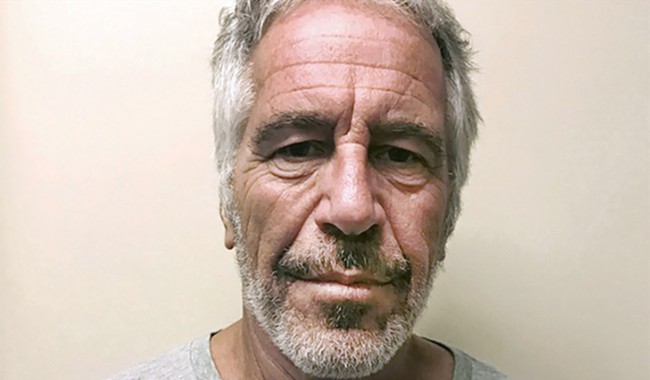
This piece reviews the recent court-ordered release of a handwritten note tied to Jeffrey Epstein, the circumstances around its discovery, and the legal knots that kept it out of public view until now. It lays out what the note says, who claims to have found it, how it factors into broader questions about Epstein’s final months, and why the document’s provenance and wording matter. The article also touches on the legal context that led a judge to unseal the note and what critics and observers have pointed out about similarities to Epstein’s other writings. Readers are given the facts and the text of the note itself so they can judge its significance.
A federal judge has ordered the release of a handwritten document described as a purported suicide note associated with Jeffrey Epstein. The note was reportedly discovered in July 2019 after Epstein was found with neck injuries in his jail cell. Authorities at the time investigated the incident and recorded accounts that shifted over the course of the initial inquiry.
The man who said he found the note was Epstein’s cellmate, Nicholas Tartaglione, a former police officer facing serious criminal charges. Tartaglione has said he turned the paper over to his lawyers because he thought it could be relevant if Epstein continued to accuse him of wrongdoing. Legal filings show the note later became tied up in disputes among counsel and was placed under seal during litigation to protect attorney-client privilege.
The handwritten text released to the court and now public begins with an emphatic claim and then moves through a handful of striking lines. The passage reads exactly as follows:
“They investigated me for month — FOUND NOTHING!!!” the note begins, adding that the result was charges going back many years.
“It is a treat to be able to choose one’s time to say goodbye,” the note continued.
“Watcha want me to do — Bust out cryin!!” the note reads.
“NO FUN,” it concludes, with those words underlined. “NOT WORTH IT!!”
When Epstein was first found injured in July 2019 he reportedly told officials that his cellmate had harmed him and that he was not suicidal. Tartaglione denied wrongdoing, and the record indicates Epstein later retracted the accusation and told jail staff he had no issue with his cellmate. These competing statements have been part of the public debate over what happened in Epstein’s jail cell in the weeks and months before his death.
Tartaglione’s legal team and others involved in the case allowed the judge to unseal the note after a petition by a news organization, and the document was placed on the court docket. Court papers acknowledge the note’s wording echoes phrases that appear in other materials tied to Epstein, including emails and other handwritten items from his confinement period. That overlap has been a central point for those assessing whether the note is consistent with Epstein’s voice.
Observers note two particular turns of phrase that recur in Epstein’s previously disclosed correspondence and notes: “bust out cryin” and “No fun.” The presence of those phrases in the released page has been cited as evidence that the note might plausibly originate with Epstein, though the document has not been independently authenticated in every public account of the release. The court release focused on transparency rather than definitive authentication.
The note’s emergence also highlights how evidence can be wrapped in disputes over privilege, representation, and litigation strategy. Documents tied to Tartaglione’s case were sealed to safeguard attorney-client communications, and only after legal challenges and a formal request did the judge agree to make the page public. Those procedural steps explain why the note surfaced years after it was first mentioned in filings.
Tartaglione later faced conviction on separate charges and is appealing his case, matters that remain distinct from the single-page document now available for scrutiny. Epstein was found dead in August 2019, and authorities ruled the death a suicide. The newly released note adds another fragment to the record of Epstein’s last months and the contested sequence of events that followed his initial injuries in jail.
Handwriting comparisons have been discussed in public commentary, including contrasts between printed text seen on a blackboard reported on Epstein’s island and the more cursive script on the released page. Such differences fuel debate about authorship and intent but do not resolve the deeper questions about the circumstances surrounding Epstein’s confinement and death. Readers can review the released page and weigh the language against other known materials.



Add comment