
I’ll explain the case, note the fallout for victims and the community, quote the official statements exactly, place the preserved embeds where they appeared, and critique the outcome from a Republican perspective.
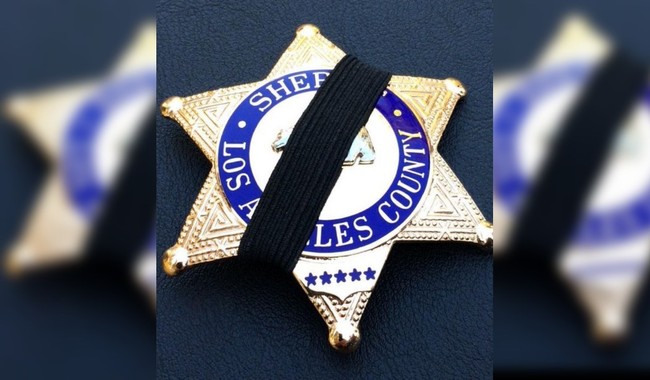
Los Angeles County saw a shocking crash in November 2022 when a wrong-way driver struck a group of sheriff’s recruits on a training run, leaving one recruit dead and several others seriously injured. The driver, 25-year-old Nicholas Gutierrez, later pleaded guilty to multiple felonies but faces no immediate prison time. Voters had ousted a lenient prosecutor in 2024, yet the result here feels emblematic of California’s soft-on-crime approach. The facts of the crash and the plea agreement remain stark and painful for victims and their families.
On that November morning, recruits from a training academy were out for a jog when an SUV traveling the wrong way hit them, causing catastrophic injuries. Reports at the time described head trauma, broken bones and amputations among the most severe wounds. One recruit, Alejandro Martinez-Inzunza, later died from injuries sustained in the collision. The scale and severity of harm to public servants-in-training made the incident headline news and provoked widespread outrage.
Prosecutors eventually charged Gutierrez with a slate of felonies, including vehicular manslaughter with gross negligence and multiple counts of reckless driving causing injury. He faced a potential 12-year prison term under the statutes tied to those charges. Yet the plea deal negotiated in court produced a very different result: a suspended sentence and probation that, if followed, will keep him out of prison entirely. That outcome has left many law enforcement supporters and victims wondering what justice looks like now.
Nicholas Gutierrez pleaded guilty to vehicular manslaughter and several counts of reckless driving.
In exchange for pleading guilty to all of his charges, he received a suspended sentence of eight years and five years of probation, meaning that as long as he doesn’t violate his conditions he will avoid time behind bars.
There is no justice for victims in Gavin Newsom’s lawless California.
That blockquote captures a raw, Republican-leaning reaction to the plea deal and the broader environment that produced it. The DA’s office explained the mechanics of the agreement and the suspended prison term, but words only go so far when a life has been lost. Those who train to protect the public expect that the criminal justice system will impose meaningful consequences when someone causes such devastation.
The DA’s public statement described the legal terms of the plea and the conditions attached to the defendant’s probation. “Based on a negotiated plea, the court imposed a total sentence of eight years in state prison, suspended,” the statement reads, explaining that the suspended sentence will be enforced if probation conditions are broken. That legal arrangement is precise, but precision in procedure does not necessarily feel like justice to victims and colleagues of the deceased recruit.
Another quoted statement from the DA tried to convey sympathy while defending the plea. “Today’s plea and sentence cannot undo the devastation of that day, nor will it bring back the life that was lost. But it does mark a step toward justice and a measure of closure for the victims and their families whose lives have been forever changed.” Those sentences are exact and sincere-sounding, but for many they ring hollow when the practical result is no immediate prison time for the person who caused a death.
“Based on a negotiated plea, the court imposed a total sentence of eight years in state prison, suspended,” the DA’s office said. “This means Gutierrez will be placed on probation for the maximum term of five years, under strict conditions set by the court. Under the plea agreement, if he violates any of those conditions, the court will then be obligated to impose the full eight-year prison term.”
Victims and community members are left to weigh the risk that a suspended sentence may never be enforced in full, depending on future compliance and prosecutorial will. For conservatives and law-and-order advocates, this is yet another example of criminal accountability slipping through the cracks. The argument isn’t about denying due process; it’s about ensuring consequences that reflect the severity of the harm done to fellow citizens and public servants.
The surviving recruits and the family of the deceased recruit continue to cope with lifetime consequences from that one wrong-way vehicle, while the legal result remains a suspended sentence and probation. In California politics, many see this as a failure of policy and prosecutorial priorities, not merely a single courtroom outcome. The case will likely stay in public debate as a touchstone for discussions about crime, accountability and the value placed on those who serve their communities.


Add comment