
The Department of Justice says the Southern Poverty Law Center secretly directed millions in donor funds to white supremacists and other extremists while publicly raising money to fight those same groups, and a superseding indictment lays out detailed allegations about how roughly $4.1 million was spent between 2014 and 2023.
The SPLC built a reputation over decades as the country’s go-to labeler of conservatives and churches as hate groups, but the indictment claims a different reality behind the scenes. Federal prosecutors allege 11 counts against the organization, including wire fraud, false statements to a federally insured bank, and conspiracy to commit concealment money laundering. The case centers on how donor dollars were routed and used to bankroll extremist activity rather than to dismantle it.
The indictment describes a pattern of payments routed through sham entities that had no real business operations, no staff, and no legitimate services provided. Five shell companies are named as conduits for the money, and prosecutors say those accounts existed primarily to hide payments to individuals tied to extremist groups. When a bank began asking questions in 2020, the SPLC reportedly closed the accounts, then later wrote that the accounts “were opened for the benefit of Southern Poverty Law Center operations and operated under the Center’s authority.”
The details in the filing are stark and specific. Prosecutors say funds flowed to support travel to extremist rallies, recruitment efforts, the formation of new chapters, materials for cross burnings, and Ku Klux Klan robes and hoods. Between 2014 and 2023, about $4.1 million in donor money is alleged to have been diverted for those purposes, and the superseding indictment gives names like F-9, F-30, F-31, and F-32 to key field sources who received payments.
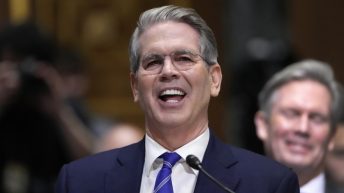
“The SPLC is manufacturing racism to justify its existence. Using donor money to allegedly profit off Klansmen cannot go unchecked.”
That line from Acting Attorney General Todd Blanche was repeated in prosecutors’ public statements and it frames the case the DOJ is presenting. One alleged recipient, identified as F-9, is described as someone who spent more than two decades inside the neo-Nazi National Alliance while being on the SPLC’s payroll and receiving more than $1.2 million. An SPLC employee allegedly had a romantic relationship with F-9 and shared bank accounts that received approximately $140,000 in donor funds used for personal living expenses.
Another focal point is F-30, described as a Klan member and a leader in various white nationalist networks. According to the indictment, F-30 reached out to the SPLC around 2010 saying he wanted to leave the movement, and instead was offered $2,500 per month plus expenses to remain in place and continue leading his organization. Prosecutors allege tens of thousands of dollars flowed through a shell company called Rare Books Warehouse to pay for travel, recruitment, and publications that amplified racist messages.
Two other individuals, labeled F-31 and F-32 in the indictment, reportedly approached the SPLC wanting help to exit extremist groups. Instead of extracting them, the SPLC employee allegedly encouraged them to stay and offered each $1,200 per month and reimbursement for expenses. The indictment quotes the arrangement directly: “Despite their requests for help getting out of the movement, an SPLC employee encouraged F-31 and F-32 to stay in the movement and offered to pay them a $1,200.00 monthly salary as well as pay for expenses as incurred. Once they were financially backed by the SPLC to do so, F-31 and F-32 agreed to remain in the movement.”
Prosecutors say the payments were sometimes disguised; SPLC staff allegedly instructed recipients to claim the funds were for assisting college students with essays. One recipient rose to a leadership role and recruited new members, while another made Klan garments and was reimbursed for cross-burning expenses. Those claims, if proven, suggest the organization funded the very networks it claimed to oppose.
The superseding filing also corrects a drafting detail from an earlier indictment related to statutory language about bank fraud, removing a word to align with recent Supreme Court precedent. SPLC counsel has pushed back publicly, saying the new filing “attempts to shore up the flaws in the initial charges, but it changes nothing,” and has complained about how the indictment was circulated before being unsealed.
What makes this case particularly explosive is the contrast between public messaging and the allegations of private conduct. An organization that spent years labeling mainstream conservatives and faith groups as dangerous is accused of bankrolling actual extremist operatives, paying leaders to remain active, and using donor money for items like robes and rally travel. The indictment paints a picture of an institution whose fundraising narrative may have masked an entirely different set of priorities and transactions.
As the legal process unfolds, the facts in the court filing will be tested in court, and the public will get a clearer view of whether donor funds were misused or whether explanations offered by the SPLC can withstand scrutiny. For now, the indictment raises hard questions about accountability, donor transparency, and how powerful nonprofits spend the money they collect in the name of fighting hate.


Add comment