
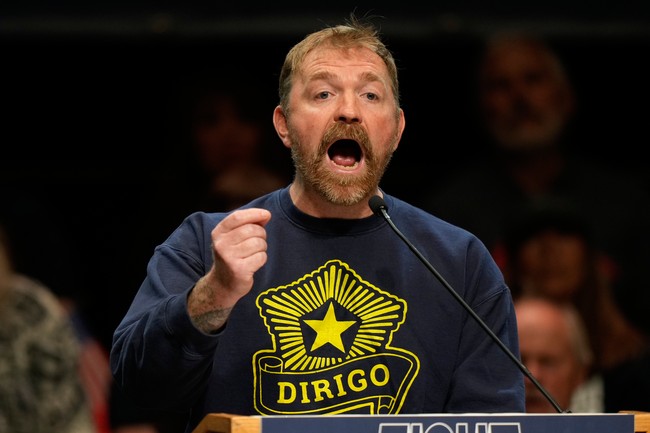
As Dems Form Circular Firing Squad, Townhall Uncovers Damning Video Behind the Platner Dumpster Fire
The latest twist in the Graham Platner fiasco centers on undercover footage that suggests outside operatives helped steer him into the Maine Senate race, raising fresh questions about Democrat strategy and judgment.
This story starts with new undercover video that appears to show a staffer linking a Nebraska independent to the recruitment of Graham Platner. The footage, obtained by Townhall, adds a layer of coordination to what many Republicans already saw as a chaotic and self-inflicted calamity for the left. If true, it’s less an organic grassroots moment and more evidence of party operatives trying to engineer favorable candidates without regard for competence or character. That pattern helps explain why Democrats keep landing in headlines for the wrong reasons instead of winning voters.
According to the undercover source, “Colleen,” Dan Osborn was involved in recruiting candidates like Platner to run in districts where Democrats wanted a competitive face. That claim, if accurate, suggests a deliberate recruitment program aimed at swapping authentic conservative competition for manufactured left-friendly challengers. Republicans should care because engineered candidacies undermine genuine voter choice and can backfire spectacularly, as this episode shows. The bigger picture is about party judgment and who gets to pick candidates when results matter most.
https://x.com/townhallcom/status/2074587174410813732
“So he has also recruited other candidates around the country to run that are doing similar things,” the video shows Colleen saying, referring to “a few independents” and “a few Democrats.”
“This is not really out there publicly, but he recruited Graham Platner,” Colleen said in the video obtained by Townhall Media. It is not known when the video was created.
When asked if Osborn and Platner “know each other,” Colleen responded, “Yeah.”
“Dan, after the last election, he started a program to recruit working class candidates to run,” Colleen said, directing the individual to the website for Working Class Heroes Fund.
“Dan is an independent who ran for US Senate against an incumbent Republican Senator,” the website says on the “About Us” page, identifying him as the leader.
The clip paints a picture of a recruitment pipeline channeling candidates into races, and that is exactly the sort of top-down, image-first playbook that disillusions voters. Folks who vote Republican want accountable leaders with conservative convictions, not political lab experiments or placeholder candidates. When parties treat campaigns as chess pieces, voters notice and react by tuning out or switching to candidates who actually stand for something. That tension is a gift to Republicans who run on clear principles and real-world competence.
Republicans watching this will say the Platner episode highlights a larger problem on the left: a willingness to gamble with character and optics for short-term gain. When operatives recruit candidates for strategic advantage rather than vetting for fitness, disasters are inevitable. Platner’s presence in the race has been a liability for Democrats, forcing their allies into awkward defenses and distracting from substantive policy debates. This kind of self-inflicted chaos hands momentum to conservatives who focus on issues that matter to voters, like the economy, national security, and law and order.
Beyond the immediate fallout, the story hints at cross-state influence where actors from one contest try to shape outcomes elsewhere. That raises real questions about transparency and accountability in modern campaigning. Republican voters tend to favor local accountability and candidates who own their views, not people parachuted in by national operatives. The contrast between grass-roots conservatives and top-down liberal experimenters is stark and politically useful in messaging and turnout efforts.
Moreover, the episode underscores how badly Democrats misread Middle America when they prioritize optics over resonance. Recruiting “working class” candidates as a branding exercise without genuine ties to the communities they claim to represent is risky and often funny to the electorate. When voters see through the act, they punish it at the ballot box. That dynamic is something Republican campaigns should emphasize while offering real alternatives rooted in conservative values.
There will be more digging, and likely more awkward revelations, as reporters and opposition researchers follow the thread. Republicans should treat this not as petty politics but as evidence of how the other side operates, and use it to sharpen the contrast on character and competence. In races where Democrats have tried to manufacture candidates, conservatives have an opportunity to show sensible, accountable leadership that voters can trust.
What remains clear is this: when a party prioritizes strategic placement over serious vetting, the results can be disastrous for everyone involved. The Platner affair is a cautionary tale about the cost of political engineering and a reminder that voters respect authenticity and accountability above all else.



Add comment