
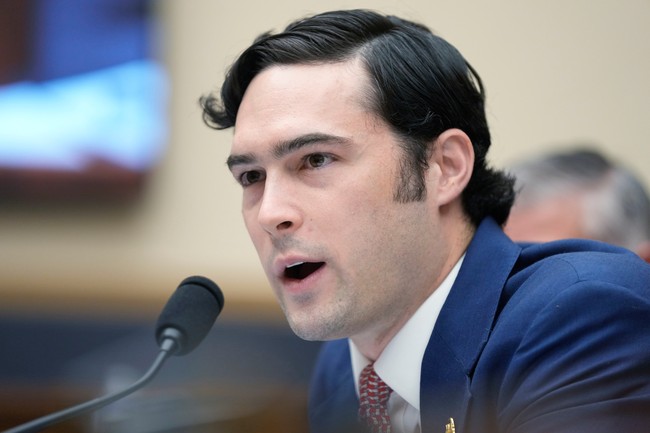
This piece covers a House Oversight Committee hearing where Rep. Brandon Gill pressed a SNAP policy advocate on whether taxpayer-funded benefits should buy soda, explored the program’s stated nutrition goals, and questioned potential conflicts of interest in how SNAP dollars are spent.
Lawmakers convened a hearing focused on waste, fraud, and abuse in the Supplemental Nutrition Assistance Program, a program that spends roughly $100 billion and serves more than 40 million people. The hearing aimed to identify where taxpayer dollars are misallocated and whether tighter rules would direct help to those who truly need it. Republicans emphasized accountability and better stewardship of limited federal funds.
Republican Rep. Brandon Gill (TX-26) engaged directly with Gina Plata-Nino, the director of policy and advocacy for the Food Research and Action Center. Gill pressed a practical question that caught public attention: “Should SNAP dollars be spent on soda?” The back-and-forth exposed a broader debate over whether SNAP should have firmer nutritional boundaries or remain broadly permissive.
Plata-Nino answered plainly: “The purpose of the program is to provide families to have food and beverages.” That reply put the hearing on a collision course between literal definitions and nutritional intent. Critics argued that accepting beverages without distinction invites spending that undermines long-term health goals tied to the program.
https://x.com/greg_price11/status/2070178688428105780
Federal guidance reinforces the program’s nutritional purpose. “SNAP provides food benefits to low-income families to supplement their grocery budget so they can afford the nutritious food essential to health and well-being.” That line reflects the department’s formal view and fuels the argument that program rules should encourage healthier choices. Lawmakers on the committee used that language to question whether current policy aligns with stated goals.
When Gill followed up, asking if Americans needed “Coca-Cola to survive,” the advocate insisted some individuals might rely on certain drinks for medical reasons. “Some of them do, who do have low blood issues,” Plata-Nino reasoned, adding that those “who have kidney issues” might need such drinks, as well. The exchange laid bare a tension between exceptional medical needs and routine consumption patterns that dominate the market.
Plata-Nino later softened, saying she was not a nutritionist and identifying herself as a food security expert. That admission prompted more questions about witness selection and who should define nutritional policy for a massive federal program. Republicans argued hearings should feature credentialed nutrition experts when nutritional definitions are under scrutiny.
Gill highlighted the dollars already flowing into purchases critics view as non-nutritive and asked whether those funds might better buy whole foods and nutritious staples. Redirecting spending, he suggested, would not deny support but would prioritize health and long-term cost savings. The line of questioning pressed the idea that stewardship can both protect taxpayers and improve outcomes for recipients.
The hearing also touched on potential conflicts of interest and the influence of advocacy groups on policy design. When Gill probed those connections, the witness offered limited responses and the room registered the silence. Republicans pressed for transparency on partnerships, private funding, and policy recommendations that shape how benefits are used.
Overall, the exchange showcased Gill’s interrogation style and the broader Republican argument for stricter oversight of federal benefit programs. He used pointed questions to force concrete answers about nutrition, spending, and accountability. The hearing underscored a persistent policy dispute: should SNAP remain broadly permissive, or should it evolve with firmer nutrition-focused limits?
Observers noted the moment when the witness declined to claim Coca-Cola was necessary for survival, a flashpoint that turned the hearing into a clear conversation about priorities. Lawmakers returned repeatedly to the basic idea that taxpayer-funded programs should promote health, especially given rising public-health costs. The committee left open several follow-up paths, from legislative changes to targeted rule adjustments and improved oversight.


Add comment