
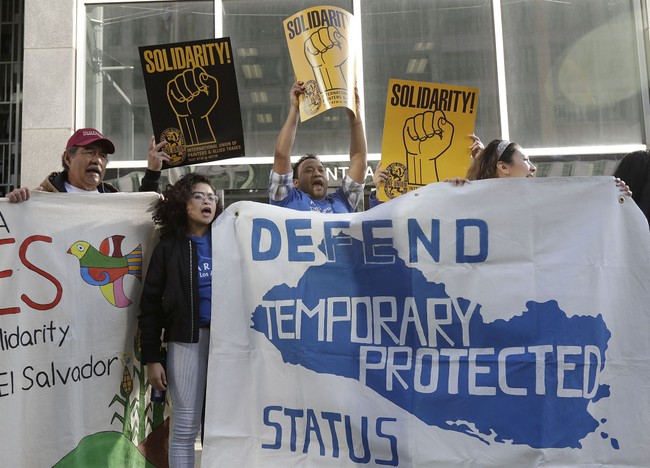
The Supreme Court has cleared the way for the Trump administration to end Temporary Protected Status for hundreds of thousands of Haitians, and Department of Homeland Security officials are making it clear there won’t be a soft landing or an indefinite grace period before enforcement resumes.
The court’s decision puts TPS terminations back in the hands of the executive, sparking immediate reactions from DHS and White House advisers who framed the outcome as long overdue accountability. DHS General Counsel James Percival used a pop-culture reference to underline the point, and that exchange has become the talking point for defenders of the policy shift. The issue now is less legal uncertainty and more about how the administration will manage the practical steps of restoring immigration norms.
On a Fox News segment, Percival leaned into the message and invoked the song “Closing Time” when asked about any anticipated grace period for TPS recipients. He reminded viewers that “The ‘T’ in TPS stands for ‘temporary,’ yet many of these designations go back decades,” stressing that these programs were never meant to be permanent fixtures. His line about the long notice period aimed to cut through claims that this action was sudden or vindictive.
He continued by noting, “President Trump has been trying to end these programs since 2017. So these people have been on notice for nine years that this day is coming,” placing the timeline squarely in the public record and administration intent. Percival then offered his wry closing, saying, “So what we would say now is that it’s closing time, which means you don’t have to go home, but you can’t stay here.” That blunt phrasing resonated with those who argue the government must enforce immigration law fairly and predictably.
Officials also highlighted a voluntary return option through existing channels, pointing out that individuals can opt to leave on their own terms rather than face removal proceedings. “The good news is it’s not too late to get a $2,600 check and a free flight home,” Percival said, describing one of the available voluntary departure programs. Presenting that option was meant to counter narratives that people will be summarily expelled without support.
White House adviser Stephen Miller reinforced the administration’s stance in a separate exchange with reporters, framing the question of safety for return to Haiti in simple terms. When asked, “Does the Administration consider Haiti a safe country?” the straightforward response was: “For Haitians? Absolutely, yes.” Miller added practical context by pointing out national sovereignty and basic facts of residency.
He elaborated, “Haitians live in Haiti. It’s not our position that Haitians should leave Haiti. It’d be crazy for us to say that Haitians couldn’t live in Haiti. It’s their country.” Those comments echo a broader conservative argument that voluntary return to one’s homeland is a legitimate policy option when temporary protections expire. The administration framed this as common-sense immigration policy rather than cruelty.
Miller was direct about enforcement expectations too, telling reporters that losing legal status carries consequences. “Of course, if you no longer have status in this country, then you’re supposed to be deported,” he said, underscoring the administration’s view that laws should be applied consistently. That approach contrasts sharply with the previous administration’s longer stretches of stop-gap protections and deferred enforcement.
https://x.com/DHSgov/status/2070501095416172964
Critics predict chaos and label returns as dangerous, while supporters argue the current policy restores legal clarity and fairness to immigrants who entered under different terms. Media outlets leapt on the emotional angle, painting deportations as a desperate and dire measure, but many conservatives see the reaction as exaggerated. There is a clear rhetorical split: enforcement framed as restoration of rule of law versus enforcement framed as inhumane expulsion.
Some commentary has attempted to turn the debate into a morality play, but Republicans advancing the change emphasize procedure and precedent. They note the legal distinction between temporary humanitarian designations and permanent residency, and insist policymakers must respect those categories. That distinction is a core reason the administration and its legal team pursued ending TPS designations where deemed appropriate.
Practical questions remain about timelines, resources, and how voluntary departure incentives will be administered to avoid unnecessary disruption. Officials promise an orderly process with options, while critics demand humanitarian safeguards and transition assistance be expanded. Expect ongoing fights over implementation details as courts, advocates, and federal agencies sort out next steps.
For now, the political debate will center on whether enforcement reflects responsible governance or callous indifference, and both sides will use the same facts to make very different moral cases. The administration’s messaging is clear: TPS is temporary, notice has been long, and legal status carries responsibilities. That frankness is unlikely to soften the critique, but it will shape the policy path ahead.



Add comment