
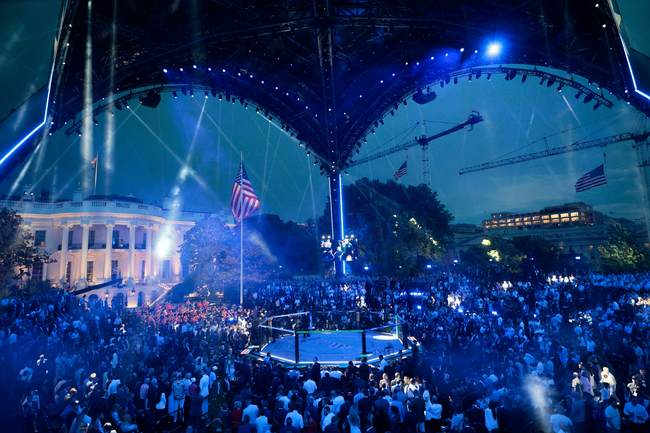
The FBI says it disrupted a plot to attack the White House UFC Freedom 250 event held on the South Lawn, arresting several suspects and revealing disturbing motives, amateurish planning, and a network that coordinated via encrypted chats; court filings and law enforcement statements paint a picture of online radicalization, lethal intent, and the importance of vigilant policing and family intervention.
Federal prosecutors charged five men in connection with an alleged plan to attack the UFC event at the White House, and investigators say the scheme was intended to kill government officials and other attendees. Officials describe a coordinated effort that moved from online chatrooms to encrypted messaging and plans to use small drones with explosives to create chaos. The plotters then allegedly planned to use snipers to target high-value individuals forced to evacuate. Law enforcement acted quickly enough to prevent what would have been a mass casualty event on federal grounds.
Authorities identified Michael Alan Thomas of Pinon Hills as a primary planner who used the alias “Whiskey Six Amerika” and reportedly shared tactical advice with other conspirators. Court documents allege Thomas embraced grotesque conspiracy theories and explicitly told investigators he believed “the U.S. government is run by elites who sacrifice and eat children and who have deep knowledge of Jeffrey Epstein’s crimes but are protected by President Trump.” That kind of extremism helped move this group from online chatter to a dangerous plot.
One of the other alleged conspirators, Bryan Omar Roa of Yucaipa, used the handle “Noble6” and told the FBI he planned to go to Washington as a protester, while family members suggested he hinted at “something big” coming. Roa’s cross-country drive reportedly ended when his vehicle broke down, forcing him to return to Southern California where agents later seized firearms and tactical gear from his home. Investigators also cited social media content showing firearms and tactical training, evidence that tied online rhetoric to real-world preparation.
Despite the seriousness of the allegations, the operation’s competence appears mixed. Roa’s mechanical failure cut short his travel plans, and multiple other parts of the conspiracy were exposed through digital traces and one suspect’s cooperation. The Justice Department credited the rapid work of the FBI and federal prosecutors for halting the plot before any device was deployed, underscoring how digital footprints can unravel even furtive plans. The coordinated arrests show that law enforcement can disrupt threats when agencies act decisively.
Public filings and DOJ statements say Tycen C. Proper, 19, of Danville, Ohio, provided key information that led to the unraveling of the scheme. According to an interview summarized by prosecutors, Proper and others planned to fly explosive-equipped drones over the north side of the UFC arena to force evacuations so shooters could target fleeing officials. They allegedly planned to rendezvous in Fredericksburg, Virginia, before executing any attack, a detail investigators used to piece together the larger network and intent.
The Justice Department announced charges and emphasized the daily work of law enforcement to “make America Safe through quick response and vigilance in investigating, disrupting, and dismantling this alleged plan.” Acting leadership reiterated a commitment to “identify and prosecute those who incite and plan acts of violence.” These statements reflect a law-and-order approach that prioritizes prevention and aggressive prosecution of violent conspiracies against government officials and the public.
https://x.com/MattFinnFNC/status/2066929473900237271
A broader concern is homegrown radicalization, which rivals threats from foreign terror groups. Two additional suspects named in filings are Daniel Eskridge of Missouri and Abraham Alvarez of Nebraska, bringing the charged group to five; if convicted of conspiracy to commit murder, each faces a potential sentence of life in prison and a $250,000 fine. The case shows how small, radicalized cells can form online, plan violently, and yet still be vulnerable to disruption by family reporting and law enforcement surveillance.
Family members ultimately played a vital role in raising alarms about one suspect’s behavior, a reminder that community vigilance matters. The arrests also serve as a caution about the toxic mix of conspiracy theories, encrypted communications, and access to weapons and explosives. For those watching national security and public safety, the episode reinforces the need for robust investigative tools, interagency cooperation, and the political will to back vigorous enforcement of laws against violent plots.
Bill Melugin’s reporting included direct quotes from court sources and interview summaries that shed light on motives and beliefs driving the alleged perpetrators. Readers should note the disturbing content of some statements preserved in filings, which law enforcement used to support charges and to explain why rapid intervention was necessary. In the end, the plot was stopped before it could be carried out, but the case raises stark questions about domestic radicalization and the safeguards needed to protect public events and federal officials.

Add comment