
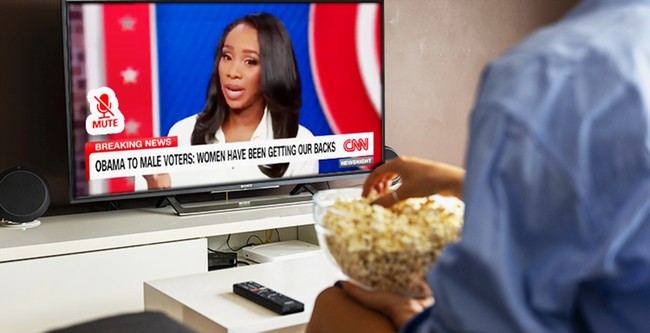
I’ll explain what happened with Abby Phillip’s correction, show how CNN’s coverage went wrong, note who was actually threatened in the attack, examine why the network resisted correcting its narrative, and assess the larger implications for CNN’s credibility under new ownership. This piece lays out the facts, quotes Phillip’s on-air statement exactly as given, and argues from a conservative viewpoint that the network’s initial narrative was misleading and politically motivated.
After an Islamist bombing attempt in New York City, Abby Phillip issued an on-air apology for a specific mistake: she had said the devices were directed at Mayor Zohran Mamdani. That claim was false. The two suspects tried to set off explosives at a protest where anti-Islamist demonstrators were picketing outside a residence, and that fact was known almost immediately after the incident.
CNN’s coverage did not reflect that fact at first. Multiple elements of the network repeated the incorrect implication that Mamdani was the target, including the host’s own show account and staff. From a conservative perspective, this wasn’t a harmless slip; it was a narrative that shifted attention away from who was actually endangered that night and toward a more politically convenient storyline.
When Phillip corrected herself online, critics noted her phrasing. Even in that correction she used the word “specifically,” which left an impression that Mamdani might still have been implicated. The subsequent on-air correction was more direct, but it did not go far enough in explaining who the intended victims actually were. That reticence matters because the true target undermines a favored media framing of the event.
The real target of the attack was the cluster of anti-Islamist protesters outside the residence. That makes a substantive difference in how the event should be presented. Admitting that Islamist-inspired suspects tried to blow up protesters who opposed Islamist ideology would change the public perception of the incident and the political stakes around it.
Here is Phillip’s on-air statement quoted exactly as it aired, so readers can judge her words for themselves:
PHILLIP: This morning I issued a correction, first thing in the morning, on X for a mistake that I made in last night’s show, but I also wanted to do so on air as well. I incorrectly said that the bombs that were thrown by ISIS-inspired suspects in New York over the weekend were directed at Mayor Mamdani. They were not. I failed to catch and correct that mistake in real time, and I take full responsibility for that. And while we do make mistakes, it is important to acknowledge and correct those errors when they happen.
Phillip’s statement does admit the error, and she takes responsibility. But the statement stops short of stating who the real victims were, and it allows the audience to miss the crucial context that the suspects were aiming at protesters. That omission is not trivial. It shapes the narrative about who is vulnerable and which political arguments the media should be covering.
Why would a major news operation resist spelling out what was obvious about the attack? From where I sit, the answer looks political. Acknowledging that anti-Islamist protesters were nearly killed by Islamist-inspired suspects undercuts a narrative that would generally favor the political left. It lends legitimacy to the protesters’ concerns about Islamist extremism and complicates the ideological frame many outlets prefer.
There is also a corporate angle. CNN is under new management and in the middle of an acquisition, and legal and business teams often push for cleaner corrections when liability risks rise. But cosmetic fixes do not cure institutional bias. If the network changes only in tone while keeping the same personnel and instincts, the same mistakes will recur. A real shift would require substantive editorial changes.
Correction and accountability matter in journalism, especially when lives are at stake. This episode shows how a single misstatement can cascade through a network, amplified by guests and social posts, and then be packaged as an unfortunate “mistake” rather than a pattern of selective reporting. Conservatives watching these developments see this as yet another example of media groups bending facts to fit a narrative.
The on-air apology is a necessary first step, but it is not sufficient on its own. Viewers and readers deserve clarity about who was targeted and why, not hedged phrasing that leaves the most consequential point unclear. If a news outlet wants to rebuild trust, it needs straightforward reporting that does not protect preferred narratives at the expense of truth.
Add comment