
Seattle is teetering on a fiscal cliff as progressive policies promise more spending and higher taxes, while practical consequences like out-migration and budget shortfalls loom large. This piece lays out how taxing the productive can trigger a self-reinforcing economic decline, why the city’s budget has swollen, and how Mayor Katie Wilson’s stance and proposed responses risk making a bad situation worse. It reviews the scale of the problem with numbers and quotes from the mayor, and it highlights the broader risk that cities adopting this path could face predictable long-term fallout.
The idea of a socialist doom loop is simple: heavy taxation and expanded government promises chase away entrepreneurs and capital, shrinking the tax base and forcing still higher taxes or deeper cuts. That creates a downward spiral—revenue falls, spending pressures rise, and policy makers double down on measures that make the situation worse. History shows this pattern in places where incentives for productivity have been undermined and mobility makes those consequences immediate and painful.
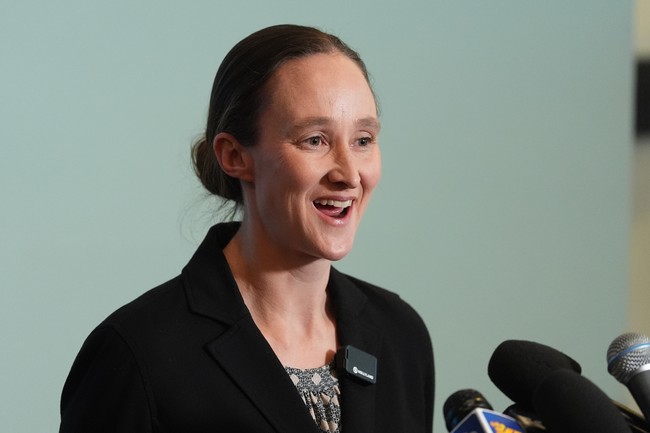
Seattle’s current predicament illustrates how these dynamics play out in a modern American city. The mayor has publicly questioned whether millionaires will leave after the state adopted a new millionaire tax, and she treated the possibility of wealth flight as overstated. “I think the claims that millionaires are going to leave our state are, like, super overblown,” she said to applause, adding, “And if — the ones that leave, like, bye.” Those offhand remarks signal a dismissive view of migration risks that can matter a lot when high earners and business owners can relocate rapidly.
Still, the city admits a real fiscal problem. “We have a large structural budget deficit at the city that we’re going to have to figure out how to deal with in this upcoming budget cycle,” the mayor acknowledged, and officials have openly discussed using “progressive taxation” as a remedy. That response reflects an assumption that taxing high earners will reliably plug gaps, but it ignores how taxpayers react over time. Behavioral responses to taxation—moving, changing investment, or altering taxable income—are real and often delayed, which can make outcomes worse than policymakers expect.
The scale of spending growth in Seattle is striking. In 2018 the population was about 743,000 and the budget totaled $4.6 billion. By the most recent adopted budget the city is allocating $8.9 billion for roughly 800,000 residents. Those figures show a municipal budget that has nearly doubled in a short span while population gains were modest by comparison, and that raises questions about long-term sustainability without changes to spending priorities or significant, stable revenue growth.
Mayor Wilson’s policy agenda leans heavily into expanding public services without clear plans for offsetting reductions in other areas. In a recent State of the City address she urged the council to fund shelter expansion, “expand childcare and early education as public goods,” “expand access to affordable food,” and increase rent subsidies. She also proclaimed, “I am determined to add 1,000 new units this year, with services matched to people’s needs, and we are on our way to reach this goal.” Those priorities underline a spending-first approach that assumes revenue will follow or that the wealthy will absorb higher rates without leaving.
Relying on progressive taxes while expanding costly programs is a high-risk bet in a highly mobile economy. When local leaders call a city “filthy rich” and argue “progressive taxes on high earners are sustainable and lucrative,” they may be underestimating how taxes interact with decisions by capital owners and professionals. Excessive taxation can produce capital flight or talent migration, and once productive people leave the city, replacing that lost economic activity is neither quick nor guaranteed.
Seattle’s fiscal stress predates the current mayor; poor past budget practices and optimistic accounting helped create the present squeeze. City council assessments describe the outlook as “inherently unsustainable” and warn that only drastic cuts may remain if revenues underperform. That should prompt serious debate about trimming spending and prioritizing core services over new entitlements, rather than assuming continuous revenue increases from a shrinking base.
Unlike authoritarian regimes, U.S. cities cannot lock people in, and that means policy choices have to account for mobility. Productive people can and will move to friendlier tax and regulatory environments, and states that soak the rich cannot prevent that drift. If multiple large states follow similar paths, the risk of a broader economic slowdown grows, especially as younger voters show more interest in socialist ideas and cities experiment with aggressive redistribution.
The practical lesson for city leaders is immediate: recognize the limits of tax hikes as a cure-all and face up to the political and economic realities of migration and behavior. Seattle’s numbers and public statements make clear the choices ahead—either scale back spending commitments, find ways to expand the tax base through growth-friendly policy, or accept the painful consequences of a shrinking economic engine. The path chosen now will determine whether the city can reverse a dangerous trajectory or becomes a cautionary example of what happens when policy and incentives pull in opposite directions.



Add comment