

The Biden administration’s evacuation and resettlement of Afghans after 2021 left the country with hard questions about vetting, oversight, and public safety, and recent statements from intelligence officials and lawmakers have reignited concern over how many dangerous individuals may have slipped in under the program. This piece reviews claims that thousands arrived with questionable ties, highlights testimony about vetting failures, and covers the intense political fallout as revetting efforts ramp up.
Director of National Intelligence Tulsi Gabbard told a national audience that more than 2,000 Afghan nationals known or suspected to have terrorism ties were admitted to the United States following the chaotic withdrawal. She framed that figure against a much larger influx of people, saying roughly 100,000 Afghans who had not been thoroughly vetted came to the country after the 2021 exit, which she and others argue was handled without sufficient safeguards.
Those revelations surfaced shortly after a deadly ambush in the nation’s capital that involved a former Afghan soldier who had been resettled here. Two members of the West Virginia National Guard were attacked while on duty; one died and the other remains hospitalized, and investigators are scrutinizing how the attacker was screened before entry. Critics contend the attack shows concrete consequences of rushed or inadequate vetting practices.
The National Counterterrorism Center and other intelligence offices have been cited as the source of the troubling estimates, and the NCTC director raised alarm at a congressional hearing about how vetting standards were applied. The director said the individual in the recent ambush was assessed only to the level required to serve in Afghanistan, and that those standards were then treated as sufficient for admission to the United States.
“The individual was vetted to serve as a soldier in Afghanistan, and that vetting standard was used by the Biden administration as a ruse to bring him here,” Kent replied. “Had we followed the Standard Operating Procedures for special immigrant visas, that individual and none of the (others) … would have come to America. That’s on Joe Biden.”
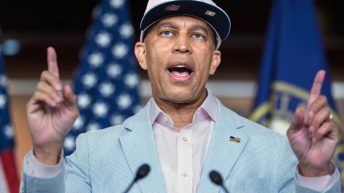
At the same hearing, frustration boiled over along partisan lines, with at least one Democratic lawmaker referring to the ambush as an “unfortunate accident,” a remark that many conservatives found offensive given the preventable nature of the tragedy. Republican voices have used that exchange to argue the administration minimized the risks and failed to prioritize American safety when organizing evacuations and resettlement.
Intelligence leaders say they are now engaged in a broad “revetting” campaign, working with partner agencies to reassess Afghans who entered under the evacuation programs. Those reviews are intended to identify anyone with extremist ties who may have been missed during initial processing, and officials insist that Al Qaeda and ISIS remain active threats intent on attacking the homeland.
Resettlement advocates have pushed back, warning that revetting could unfairly target people who helped U.S. forces or otherwise fled persecution. They claim many were vetted before arrival and that sweeping rechecks risk stigmatizing legitimate refugees. Republican lawmakers and some national security officials counter that the stakes require rigorous, legally grounded screening, not assumptions of safety based on rushed evacuation paperwork.
The broader context includes a surge of migration at the southern border during the same administration, which conservatives point to as part of a pattern of relaxed entry controls. Those combined flows have intensified calls from Republicans for clearer, tougher policies and for accountability over the decisions that allowed potentially dangerous individuals into American communities.
Officials tied to national security work emphasize that the vetting standard for serving as a soldier in a conflict zone is not equivalent to the screening necessary for entry into the United States. They assert that special immigrant visas and other pathways have established protocols for thorough background checks, interviews, and corroborating documentation that were bypassed in many evacuation cases.
Revetting is already under way, and lawmakers on both sides of the aisle have demanded briefings and data to understand the scope of the issue. Republicans are pressing for transparency about how many people are flagged, what threats are identified, and what actions will follow, arguing that public safety and trust hinge on timely, accurate answers.
Meanwhile, the political fallout continues, with critics blaming the administration for policy choices they say prioritized rapid evacuation over careful screening. The debate over responsibility and remedies includes legal, operational, and humanitarian dimensions, and it is likely to shape policy discussions on resettlement and border control for months to come.
As revetting proceeds, national security leaders stress the need for consistent standards and interagency cooperation so that vulnerabilities are identified and addressed. Republican critics continue to link those vulnerabilities to broader failures in border and immigration policy under the current administration, demanding changes that they argue are necessary to prevent future threats.


Add comment