
Republican Rep. Randy Feenstra conceded the Iowa GOP governor’s nomination to Zach Lahn after a tight primary, handing the party an outsider nominee who campaigned on an “Iowa First” message and will face Democratic State Auditor Rob Sand in November.
Feenstra phoned Lahn Tuesday night to concede the contest and told supporters that the campaign would now pivot toward unity and beating the Democratic nominee. The result surprised many because Feenstra entered the day as the best-known Republican in the field with a substantial fundraising edge and establishment backing. His loss raises questions about how much influence traditional endorsements still carry inside the party.
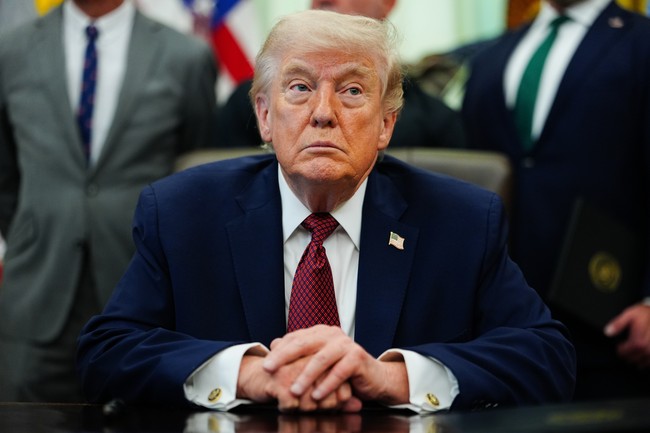
President Trump’s endorsement arrived just four days before the primary and was pitched as decisive for Feenstra, who had already been running as a “Trump conservative” in his messaging. The late boost described Feenstra as “MAGA all the way” and came framed as a “Complete and Total Endorsement.” Even so, the nod was not enough to push him across the finish line.
Zach Lahn, a farmer and businessman, ran as an outsider and emphasized independence from special interests and career politicians. He made a clear pitch to voters about being self-funded and resistant to outside influence, underscoring a grassroots appeal rooted in local ties. That pitch appears to have resonated just enough to give him a narrow victory in a crowded GOP primary.
“I just called Zach Lahn, and said, ‘Hey, you got to carry this torch. We got to keep this state red. You got to make sure you beat Rob Sand.’ And I’m all in to help him out.”
Lahn won the nomination by a slim margin of roughly 1,600 votes with nearly all precincts reported, despite being outspent by nearly $1 million. The result is at least the second notable primary this cycle where a Trump-endorsed candidate failed to prevail, suggesting the endorsement alone does not guarantee victory. Campaign money and establishment endorsements helped Feenstra, but they did not overcome Lahn’s connection to Iowa voters and his self-funded, local-focused narrative.
In a direct-to-camera ad, Lahn framed his candidacy around financial independence and distrust of entrenched interests, a contrast designed to appeal to voters fed up with the political class. He stated plainly his resistance to outside influence while casting career politicians and corporate donors as part of the problem. That message helped him clinch the nomination in a race where outsider credentials mattered.
“I’m my own biggest donor and I cannot be bought. I’m running because career politicians, special interests and corporate giants have betrayed Iowans.”
With the GOP nomination wrapped up, Lahn now faces Rob Sand, who ran unopposed in the Democratic primary and serves as the state auditor. Sand has built a profile stressing accountability and anti-corruption work and has attracted voters from across party lines by presenting himself as willing to hold anyone to account. The general election matchup will test whether Lahn’s outsider appeal can translate into broader statewide support against an experienced statewide officeholder.
The electoral map is tighter than it was a year ago: the governor’s office has stayed in Republican hands since 2011, but Democrats have been treating Iowa as competitive. Political analysts moved the contest toward the toss-up column earlier this cycle, and national Democrats have already signaled they see opportunity in Iowa’s swing potential. Those dynamics mean the November fight will likely be one of the higher-profile gubernatorial battles of the cycle.
Financial disparities amplify the challenge Lahn faces. Sand reportedly has a significant cash advantage heading into the general election, giving Democrats the ability to shape the message and saturate media markets. Lahn will need to consolidate conservative voters, build a competitive war chest, and translate his primary momentum into a general-election coalition that can hold the seat for Republicans.
For Republicans in Iowa, Lahn’s win forces a strategic pivot: the party must decide whether to lean into outsider energy and local authenticity or to recommit to establishment-tested operatives and fundraising muscle. Either path has its risks, and the choice will influence not only the outcome in November but the party’s identity going forward. The campaign’s next phase will be about message discipline, voter turnout, and whether unity behind Lahn can offset the material advantages of the Democratic nominee.
Feenstra’s concession demonstrated a willingness to fall in line, at least publicly, by offering help to the nominee and emphasizing keeping the state under Republican leadership. Republicans will be watching whether that unified front holds as the general election cycle heats up and whether Lahn’s outsider brand can survive the scrutiny of a statewide contest against a well-funded opponent. The coming months will make clear whether this primary represents a new lane for Republican politics in Iowa or a narrow moment tied to one distinctive candidate.


Add comment