
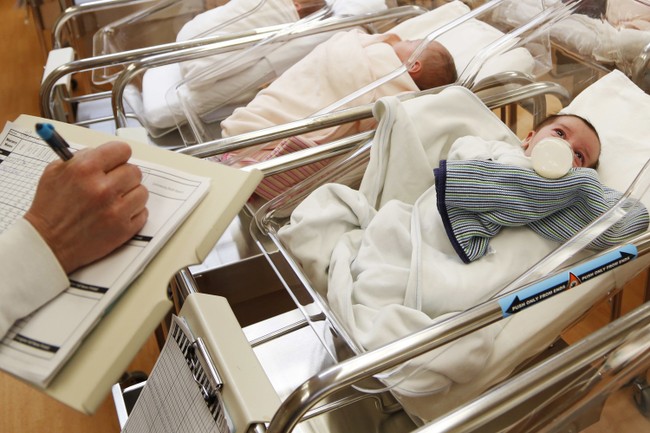
President Trump reacted to a recent Supreme Court ruling that limited his ability to curtail birthright citizenship by pressing forward with executive actions and a DOJ push to root out fraud. He and his team signed two executive orders defining who is ineligible for birthright citizenship and targeting birth tourism, while top aides framed the moves as historic steps to protect the value of American citizenship. This article lays out the decision, the administration’s immediate response, the substance of the new orders, and how advisors defended the actions.
Trump publicly called the Supreme Court decision “too bad for our country” and made clear he wouldn’t accept the ruling as the final word on policy. He moved fast: the Department of Justice issued guidance urging prosecutors to prioritize fraud linked to attempts to exploit citizenship rules. The administration framed those directives as closing loopholes that dishonest actors use to game the system.
At the White House signing, the president said plainly, “We’re making adjustments because it’s very unfair.” He argued that certain businesses and individuals have built operations around birthright citizenship and portrayed that as a betrayal of intent. The ceremonial remarks reflected a political posture that this administration will use every legal tool available to curb what it sees as abuse.
The two executive orders serve different but related purposes. The first order attempts to identify categories of children born to noncitizens who should not receive automatic citizenship, citing historical exceptions recognized by the Court. The second order delegates specific authority to cabinet officials and directs the Department of State and Department of Homeland Security to tackle birth tourism head on. Together, the administration says these steps will restore coherence to citizenship policy.
“We’re making adjustments because it’s very unfair,” Trump said at the Oval Office signing ceremony. “They’re building businesses around birthright citizenship. That’s not the way it was supposed to work. It’s a disgrace.”
https://x.com/RapidResponse47/status/2085461321353760940
Stephen Miller, a senior advisor, explained the first order as expanding the definition of ineligibility to mirror historical exceptions and to ensure certain groups cannot claim citizenship by birth. He listed categories that the administration believes should already have been excluded, such as “alien enemies of the United States, members of foreign terrorist organizations, and large categories of people who lobby and act on behalf of foreign governments.” The emphasis was on closing gaps so national security threats and foreign agents cannot exploit citizenship rules.
Miller framed the second order as particularly unprecedented for its explicit ban on birth tourism. He described a system in which people enter as tourists, give birth here to create a citizen child, and then leverage that child’s status for various advantages. He emphasized that this practice “is, as of the signing of this order, hereby banned.”
The administration argues these measures are both legally defensible and politically necessary. Officials point to the Supreme Court’s recent guidance as an opportunity to refine policy, not to concede defeat. That posture positions the White House to claim it’s following the rule of law while also asserting the president’s responsibility to protect American interests.
Critics will predictably challenge the scope and legality of the orders, and court battles are likely to follow. The administration itself seemed prepared for litigation and further judicial scrutiny, noting that officials will use delegated authority to enforce the birth tourism ban through visa and border policies. Enforcement will hinge on new rules and interagency cooperation between State and Homeland Security.
Beyond the legal fight, there’s a practical enforcement question: how will authorities identify and deter those who come solely to give birth? The White House signaled a mix of visa vetting, investigative prioritization, and targeted prosecutions for fraud. The DOJ’s memo to prosecutors underscores that fraud-related prosecutions will be a central tool in the administration’s approach.
Supporters say these moves restore common-sense limits on citizenship and protect the integrity of immigration law. Detractors will call the actions heavy-handed and warn of overreach. Either way, the signing marks a decisive, public pivot toward a tougher posture on birthright-related issues that will shape the next rounds of legal and political debate.

Add comment