
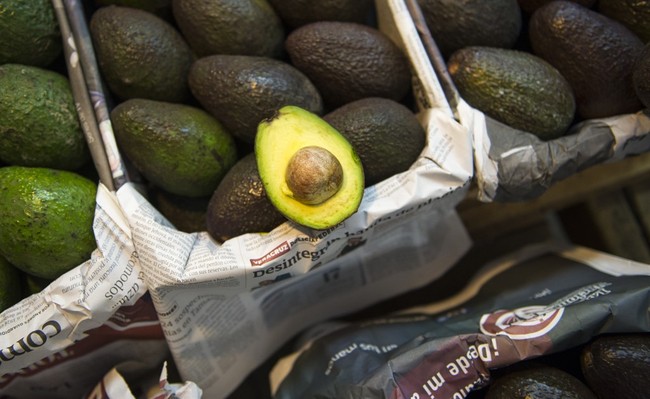
The U.S. pause on avocado inspections in Michoacán highlights how cartel violence can interrupt everyday trade and threaten supply chains, as officials suspend routine Agriculture Department checks amid security concerns tied to extortion and arrests.
Mexico supplies the bulk of America’s avocados, and any interruption matters to grocery shelves, restaurants, and consumers who expect a steady flow of the fruit. The decision to halt federal inspections is a direct response to safety risks for inspection teams after recent arrests tied to an extortion probe. That pause is meant to protect personnel and to prevent inspectors from operating in a dangerous environment until conditions improve.
At least four drug cartels — designated as foreign terrorist organizations by the Trump administration — operate in the region, profiting not only from narcotics trafficking but also from extortion schemes targeting the lucrative avocado industry.
American appetite for avocados is enormous, and it creates real economic targets for criminal networks that can demand protection fees or threaten shipments. The United States imported about 2.87 billion pounds of fresh avocados last year, with roughly 83 percent coming from Mexico, and the market there is worth billions. When the path those goods take is controlled or threatened by violent actors, buyers and sellers on both sides of the border feel the fallout.
https://x.com/nypost/status/2085463299353653294
Americans’ avocado obsession depends heavily on Mexico. The US imported a record 2.87 billion pounds of fresh avocados last year, about 83% of them from Mexico. While California produces about 90% of the nation’s homegrown avocados, its crop isn’t nearly large enough to satisfy the country’s appetite.
…
Mexico exported about $3.65 billion worth of avocados to the United States in 2025, and shipments during the first four months of 2026 climbed roughly 35% compared with the same period a year earlier.
The U.S. Embassy publicly suspended all U.S. government operations in Michoacán, calling the situation a “threat to US interests,” which included pausing the federal inspections required for Mexican avocados to enter the U.S. That step is precautionary and temporary, but it has immediate consequences for exporters who rely on those clearances. Without inspectors on site, shipments cannot be certified and will be delayed until safety is assured and inspections resume.
The US Embassy announced Wednesday all US government operations in Michoacán had been suspended because of what it described as a “threat to US interests.”
The move includes a pause on the federal inspections required before Mexican avocados can be exported to the United States.
Under normal protocols, the Agriculture Department verifies orchard conditions and packing facilities in Mexico to prevent pests and ensure the produce meets U.S. import requirements. Those checks keep the supply chain moving and protect American agriculture, but they also require staff on the ground to do their work safely. When the security environment changes, the USDA must step back until the risk is mitigated.
Michoacán Gov. Alfredo Ramírez Bedolla said the inspections were temporarily halted to protect personnel following recent arrests tied to an extortion investigation.
The governor said officials’ priority was to “ensure the security conditions necessary for these operations to resume normally,” noting similar suspensions have occurred before.
The governor’s explanation points to a recurring pattern: regions producing high-value crops become targets for extortion, and when enforcement actions follow, the risk can spike for workers and inspectors. That cycle makes growers vulnerable and deters investment, while also forcing buyers to find alternatives or face empty shelves. It’s a blunt reminder that national security overlaps with trade policy and agricultural oversight.
There’s another practical angle: California grows most of the homegrown avocados but cannot match national demand, which is why imports matter so much. Any sustained pause in Mexican shipments would push prices up and encourage substitutions or rationing at the retail level. Consumers notice, and businesses in foodservice quickly adjust menus or margins when a staple like avocados becomes scarce or more expensive.
Voices from the food world have chimed in, pointing out the irony that enjoying avocados becomes complicated when the trade touches criminal enterprises. Chef Andrew Gruel has weighed in on the ethical taste of produce sourced under threat, highlighting how consumers and suppliers now must reckon with the supply chain behind a simple fruit. The disruption underscores the need for safe, reliable inspection regimes and for pressure on Mexican authorities to secure key agricultural corridors.
Officials say the halt is temporary and aimed at restoring safety before resuming operations, but the situation will be watched closely by U.S. importers, distributors, and policymakers. Keeping trade flowing while protecting Americans and lawful workers is a delicate balance, and this episode makes clear how unstable regions can create ripple effects far beyond their borders.



Add comment