
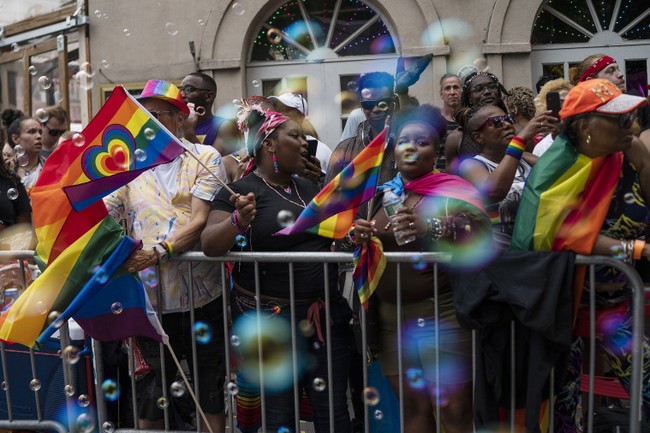
Seattle will host a World Cup group game during its Pride Week that pairs Egypt and Iran, two nations with strong anti-LGBTQ laws and cultures, and that coincidence has provoked sharp objections from both federations while city organizers insist the event will go on as planned.
The draw placed Iran and Egypt in Group G, and the match is scheduled for June 26, 2026 at Lumen Field, right in the middle of Seattle’s Pride Week festivities. That timing, organizers say, is a chance to highlight inclusion and community, while critics in both countries see it as an affront to their cultural and religious values. The result is a diplomatic and sporting standoff that will likely land at FIFA and on the international stage.
A statement attributed to the Seattle Pride Match Advisory Committee framed the game as “a Host City–led expression of Seattle and Washington State’s commitment to creating a welcoming and inclusive environment where everyone belongs: players, fans, residents, and visitors alike.” The message continued that soccer “has a unique power to unite people across borders, cultures and beliefs” and that hosting a Pride Match reflects the city’s “ongoing commitment to respect, dignity, and unity for all.” Those words underline the intent behind the event and why local officials see it as fitting for the tournament.
The mayor-elect of Seattle celebrated the pairing as well, saying on social media, “With matches on Juneteenth and pride, we get to show the world that in Seattle, everyone is welcome.” City organizers and the local FIFA committee have described Pacific Northwest programming intended to welcome diverse diasporas, including Iranian-American and Egyptian communities, and they say community activities outside the stadium will proceed throughout Pride weekend and the tournament.
Not everyone is on board. The Egyptian federation sent a letter to FIFA “categorically rejecting any activities related to supporting homosexuality during the match.” In that correspondence, the federation led by Hany Ado Rida said of the pride celebration it “completely rejects such activities, which directly contradict the cultural, religious and social values in the region, especially in Arab and Islamic societies.” That language reflects a legal and cultural posture that will be difficult to reconcile with public Pride programming in a U.S. host city.
Iran has not formally sent a letter in the same terms but has signaled clear intent to raise the issue at an upcoming FIFA Council meeting in Qatar. Iran’s Football Federation president Mehdi Taj criticized the scheduling on state television, describing it as “an unreasonable and illogical move that essentially signals support for a particular group.” He added, “Both Egypt and we have objected, because this is an unreasonable and illogical move that essentially signals support for a particular group, and we must definitely address this point.”
Statements from the complaining federations also urged FIFA to prevent activities that could “trigger cultural and religious sensitivity between the presented spectators of both countries, Egypt and Iran, especially as such activities contradict the cultures and religions of the two countries.” Those requests frame the dispute as one of cultural respect and potential crowd dynamics rather than a narrow sporting concern. Expect FIFA to face pressure to balance host-city programming with the needs and sensibilities of participating nations.
Seattle’s organizing committee has been clear it will move forward with planned community programming. Hana Tadesse, speaking for organizers, emphasized the Pacific Northwest’s diverse populations and said they are “committed to ensuring all residents and visitors experience the warmth, respect, and dignity that defines our region.” That stance underscores the city’s refusal to alter the event timeline despite the diplomatic pushback from the federations.
The clash highlights a broader tension in global sports: tournament hosts and local communities often aim to showcase values like inclusion, while participating nations may have laws and cultures deeply at odds with those values. When those differences play out on a World Cup stage, they create diplomatic headaches and force governing bodies like FIFA to consider not just logistics but international sensitivities and potential fallout.
The coming FIFA Council meeting will be a focal point for this dispute, and both political and sporting actors will be watching how FIFA navigates the conflict. Whether FIFA seeks compromise, defers to the host city, or imposes restrictions on match-day programming, the decision will set a precedent for how future tournaments handle similar clashes between host-city culture and participating nations’ beliefs. The outcome will matter not just for Seattle, but for the sport’s global governance.
For now, Seattle organizers have indicated no intention of backing down, and the federations for Egypt and Iran have publicly objected. That combination assures several weeks of negotiation, public statements, and close attention from fans and diplomats alike as the World Cup approaches. The situation has already proven to be more than a sporting curiosity; it’s a test of how global events manage competing cultural expectations.



Add comment