
I’ll explain how JD Vance framed President Trump’s endorsement of Ken Paxton, why it matters for Republican voters and incumbents, how recent primaries reflect a shift toward candidates who challenge the D.C. establishment, the reactions from Senate colleagues, and what Vance said about the broader lesson for representation in Washington.
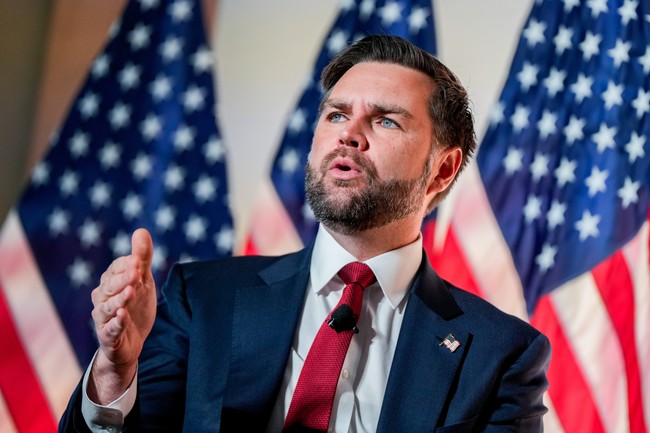
At a White House briefing, Vice President JD Vance stepped in for the press secretary and handled a tough line of questioning with clear, direct language. He addressed the President’s endorsement of Ken Paxton for the U.S. Senate and turned what could have been a narrow state issue into a lesson about accountability and representation. Vance argued that endorsements signal expectations for who will actually fight for voters once in office. That framing matters because it moves the debate from personal loyalty or insider politics to a simple test: did the candidate stand with the people and the movement?
Vance made the point plain: the President is gratified by the response from the base and from voters who backed Paxton. “We think Ken Paxton is going to be a great senator for the people of Texas, but most importantly, a great United States senator who can work on solving the problems that all of us confront as a country together.” That sentence ties the endorsement to practical governing and to fulfilling promises, not just scoring political wins. Vance contrasted Paxton’s record with that of Sen. John Cornyn, noting that when it mattered, Paxton stood with the president and the cause.
“First of all, the President’s very gratified by the response that he’s heard from the base, and from a lot of voters who were passionate about Ken Paxton. We think Ken Paxton is going to be a great senator for the people of Texas, but most importantly, a great United States senator who can work on solving the problems that all of us confront as a country together.
“I’ve known John Cornyn for a long time, But unfortunately, you know, when it really counted, Ken Paxton was there for the country, was there for the president, and that’s why he ultimately earned the president’s endorsement. He thinks he’s going to be a better senator, thinks he’s going to make a better candidate, and so, I do think it sends a message.”
Vance pushed the idea that endorsements are a tool for reshaping the party, rewarding those who fight and sidelining those who don’t. He emphasized the President’s long-term leadership and his demand for representatives who refuse to be bought by corporate or special interests. “I want people who fight for the good,” Vance quoted, highlighting a promise to promote fighters over dealmakers. That rhetoric resonates with voters tired of backroom compromises and eager for representatives who deliver tangible results for their communities.
“But really, not just the endorsement, but one of the things the president has done very effectively, going back 10 years in his leadership of the Republican Party and the country as President of the United States. He said, you know, ‘I want people who fight for the good. I want people who can’t be bought by corporate lobbyists, who can’t be bought by Wall Street, who can’t be bought by special interests, who are going to go to Washington and fight for the people who actually elected them to those positions.'”
Recent primaries illustrate that voters are acting on this message. In Texas, Rep. Dan Crenshaw lost a primary challenge as locals moved against incumbents seen as detached from their priorities. In Indiana, state legislators who refused a redistricting plan found themselves out of favor with their constituents. Louisiana voted to toss Sen. Bill Cassidy from his perch after decisions that alienated core voters. These results add up to more than isolated upsets; they look like a pattern of voters rewarding authenticity and accountability.
The dynamic is clear: officials who ignore that mandate risk being replaced. Vance argued Republicans have seen a “much better crop of talent” enter Washington under the President’s leadership. That claim is a political bet on the idea that voters will keep preferring fighters over insiders. If primaries continue to trend that way, the party’s center of gravity will move further away from career politicians and toward candidates viewed as true representatives of their districts.
Not everyone welcomed the Paxton endorsement. Some Senate Republicans expressed disappointment and raised ethical concerns, arguing the President’s pick overlooked experience and steadiness. Vance acknowledged those views but framed them against the broader imperative: serve the people who sent you or face the political consequences. That blunt trade-off is exactly the message many voters are sending in primaries across the country.
Voices on the Hill reacted publicly, including senators who said they were surprised or unhappy with the decision. Their responses underline the friction inside the GOP between establishment figures and the insurgent base. Vance’s message suggests the choice is now squarely in the voters’ hands, not in the hands of party elites who expect deference from career politicians.
NEW: Sen. Susan Collins (R-ME) reacts to President Trump’s endorsement of Ken Paxton:
“I don’t understand it. He is an ethically challenged individual. John Cornyn is an outstanding senator and deserved, in my judgment, the president’s support, obviously it’s the president’s call, but I’m disappointed that he did it.”
Vance closed by reminding listeners that representation is a duty, not a reward for seniority. “You have got to serve the people who sent you,” he said, warning that being out of step with voters and with the President is politically costly. That puts the onus on incumbents to show they are working for their constituents rather than for special interests or establishment comforts.
He quoted scripture to underscore the point: “You have been weighed in the balance and found wanting.” That line was aimed squarely at officials who choose their own convenience over voter mandates. With key primary dates approaching, voters in Texas and across the country will decide whether they agree with that assessment and what kind of representation they want next.
Vance’s full remarks were presented at the briefing and the exchange highlights a central question in GOP politics right now: will the party keep rewarding fighters who claim to disrupt the status quo, or will it circle back to familiar faces who promise stability? The answer will shape Republican primaries and the party’s direction heading into the midterms.



Add comment