
This piece examines Spencer Pratt’s unlikely surge in the Los Angeles mayoral race, why Ted Cruz has praised Pratt’s viral momentum, and how voter anger over crime, homelessness, and local governance is reshaping the contest against incumbent Karen Bass.
Ted Cruz Jumps Into LA Mayor Race, Praises Pratt’s Viral Momentum
Spencer Pratt, once known for reality television, has become an unexpected force in the Los Angeles mayoral conversation. His campaign videos and independent viral clips have made him a topic of serious political discussion in a city long dominated by progressive leadership. Outsiders and celebrities have taken notice, and the debate is shifting to everyday concerns voters feel left unaddressed.
The size of the challenge Pratt faces is real: Los Angeles’s electorate leans heavily left and unions remain powerful players in local politics. That political reality normally makes it difficult for challengers outside the establishment to break through. Still, a steady drumbeat of viral messaging and high-profile attention has given Pratt a visibility few outsiders enjoy.
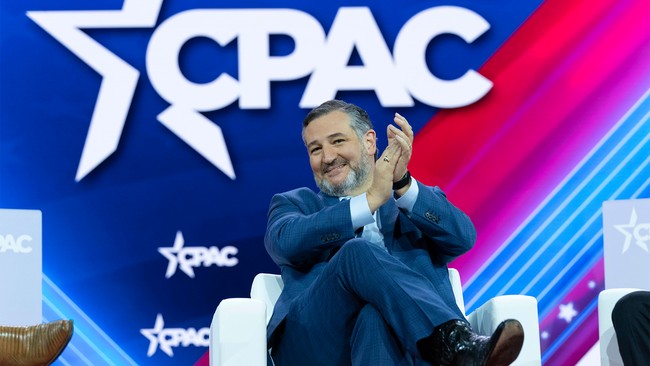
Senator Ted Cruz has publicly commented on the race, offering praise for the way Pratt’s videos tap into voter frustration. Cruz argued that political labels do not shield residents from the consequences of failed policies, and he painted a stark picture of city life under current leadership. His intervention underscores how local issues can attract national figures when voters feel desperate for change.
Cruz’s critique of the incumbent focuses on safety and basic quality of life, not abstract ideology. He framed the argument bluntly, noting that even someone with very liberal views still expects to walk the streets without encountering human waste or feeling unsafe. That line of argument resonates because it ties policy outcomes directly to everyday living conditions.
The viral content Pratt is producing seems to strike a chord with residents who are tired of seeing problems persist. Those videos emphasize visible failures: delayed rebuilding after disasters, persistent street-level drug use, and rising crime in some neighborhoods. When messages match lived experience, even nontraditional candidates can gain traction.
“At the end of the day, you might be the most liberal person in the world,” “You might like 95% tax rates, but you may not want your kids being accosted, you may not want to have to step over human feces to walk to work. And at the end of the day, the policies of Karen Bass have failed.”
That blunt assessment has political bite because it reframes the contest as an issue-of-results fight rather than a strict partisan battle. Voters who lean left on many policy areas may still prioritize safety and neighborhood stability above ideological purity. That dynamic creates space for a candidate who can credibly sell a message of practical change.
Pratt’s support has drawn a mix of celebrity attention and back-channel endorsements, which amplifies his media reach. In Los Angeles, where celebrity influence usually favors establishment Democrats, this alignment signals an unusual realignment of attention. Even so, converting virality into votes requires organization, outreach, and a clear pathway to persuading skeptical voters.
Observers note that endorsements and national commentary can help frame the narrative but cannot win local elections on their own. Ground campaigns, turnout operations, and relationship with labor and community leaders remain decisive in big-city politics. For a nontraditional candidate, building that infrastructure is the steepest climb of all.
Still, the debate Pratt has sparked forces attention on failures many residents say they see every day. Bringing those topics to the center of the mayoral fight makes voters confront the record of the incumbent in a new light. That conversation might change campaign calculus and push other contenders to address the same issues more directly.
There is a broader lesson here about politics in large, diverse cities: local conditions can override broad ideological commitments when they affect safety and daily life. Candidates who tap into those concerns and present tangible remedies can find an audience across traditional lines. Whether Pratt can sustain that audience into election day is the question that now shapes the race.
I got to say, the viral videos that Spencer Pratt is putting out are awesome. I look forward to them eagerly as they come out.
There’s a reason they’ve gone viral because they speak to a real truth, which is tragically the policies of Karen Bass have been devastating for Los Angeles, whether it’s the Palisades burning to the ground and not a single home has been rebuilt, or the rampant crime, or drug users, on the streets, or homeless people threatening kids.
As this contest unfolds, voters will weigh whether viral momentum and national attention translate into a viable local alternative. A candidacy built on visibility must still demonstrate practical solutions and competent governance. For now, the race has become less predictable and more focused on the everyday realities shaping Angelenos’ lives.



Add comment