
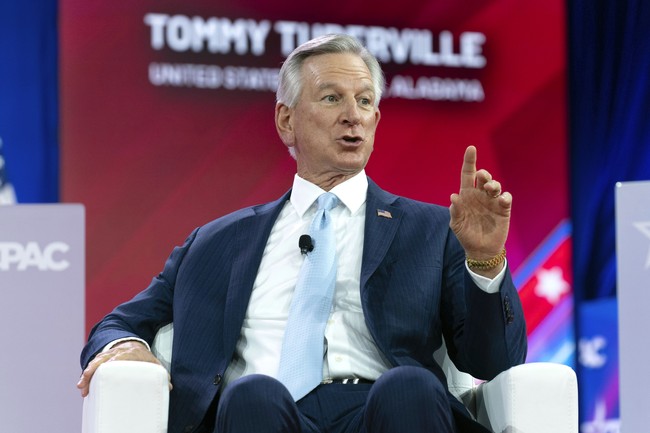
Quick summary: Senator Tommy Tuberville captured the Republican nomination for Alabama governor with a commanding share of the vote, buoyed by name recognition from his coaching career, a Trump endorsement, and a campaign that weathered a residency challenge; he now prepares to face a Democratic opponent in November amid high stakes for conservative policy and control of Congress.
Tommy Tuberville Wins the Republican Nomination for Alabama Governor
Results show Sen. Tommy Tuberville leading the Republican primary decisively, with 88.4 percent of the vote as of this writing. He outpaced fellow GOP hopefuls Ken McFeeters and Will Santivasci in a race that never really tightened. That margin reflects both his broad appeal in Alabama and the organizational strength he brought from Washington and Auburn.
Tuberville’s entry into the governor’s race in 2025 changed the dynamics immediately because he already carried widespread name recognition. His tenure as Auburn’s head coach from 1999 to 2008 made him a household name across the state, and that goodwill translated into early momentum. Combine that public profile with his Senate record and fundraising ability and the primary outcome looked familiar long before the polls closed.
Throughout the contest, Tuberville stayed consistent with conservative priorities and maintained a close alignment with former President Trump, which helped consolidate the base. He received the president’s endorsement and leveraged that backing to push past challengers who could not match his national ties. In Alabama, that alliance proved to be a decisive advantage for the Republican nomination.
The campaign did face a legal bump when Ken McFeeters filed a lawsuit claiming Tuberville failed to meet the state’s residency requirement to appear on the ballot. A district court judge dismissed that challenge just before the primary, clearing Tuberville’s path. The legal episode did little to slow his momentum and may have even reinforced his standing among voters who saw the effort as a last-ditch tactic.
Looking ahead to November, Tuberville will almost certainly square off against well-known Democratic figures who have previously competed statewide. Among the possible opponents is Doug Jones, whom Tuberville defeated in the 2020 Senate race, returning Alabama to a more conservative direction at the federal level. That history adds an extra layer of interest to the governor’s contest: it will test whether Tuberville’s brand of populist conservatism can translate from the Senate to the state’s executive office.
Alabama voters will decide how much priority to place on issues such as the economy, education, and law and order, all of which were central themes of Tuberville’s campaign. His pitch emphasized defending local control and resisting federal overreach, messages that have traction in many parts of the state. Those themes, combined with his profile as a straight-talking, outsider-style conservative, helped him connect with a broad swath of Republican primary voters.
Campaign strategy matters less when name recognition and endorsements line up the way they did for Tuberville, but execution still matters heading into the general election. He now has to shift from winning a partisan primary to persuading independents and conservative Democrats who might be open to a gubernatorial message centered on practical results. The general election will reveal whether the same coalition that pushed him through the primary can be expanded to secure a statewide majority in November.
Beyond the state, national implications are clear: Alabama’s governor can influence policy and appointments that matter to conservatives, and the outcome will be watched by national leaders. Control of statehouses is a central battleground in shaping policy and elections, especially in years when both federal and state priorities collide. Republicans will view Tuberville’s nomination as an opportunity to consolidate gains and keep momentum in the South.
Editor’s Note: The 2026 Midterms will determine the fate of President Trump’s America First agenda. Republicans must maintain control of both chambers of Congress.


Add comment