
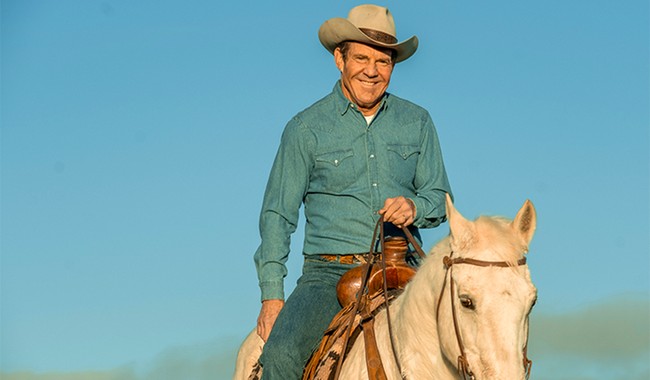
The Reagan biopic starring Dennis Quaid will receive a special theatrical re-release tied to America250, with new footage added and expanded screenings planned; this piece walks through the updated runtime, release windows, soundtrack news, box office performance, and reactions from cast and creators while keeping the original quotes intact.
The film “Reagan” is getting a fresh push this year, timed to the nation’s 250th anniversary and aimed squarely at audiences who want a proud, patriotic cinematic experience. The new edition restores roughly ten minutes of scenes that the director felt were too good to leave on the cutting room floor. That decision reflects a commitment to giving viewers more of the moments that shaped the movie’s emotional core.
Director Sean McNamara explained why he brought those scenes back, noting the hard choices directors face when trimming a feature. He said, “One of the hardest things about directing a feature film is leaving behind incredible moments on the cutting room floor. I’m so happy to have some of my favorite scenes back in the film for audiences to experience them for the first time.” The restoration aims to deepen the portrait of Ronald Reagan and sharpen the film’s storytelling.
The re-release plan mixes a symbolic July 4 window with a wider fall rollout, making it both a celebratory event and a serious theatrical offering. There will be limited group screenings in more than a dozen cities on Independence Day weekend, followed by a broader release in about 600 theaters this autumn. That staggered approach lets patriotic viewers mark the holiday while ensuring the film reaches a nationwide audience later in the year.
Reagan, the biopic starring Dennis Quaid, is getting a theatrical re-release on July 4 weekend, tied to the 250th anniversary of the Declaration of Independence.
The movie already proved resilient in the marketplace, earning over $30 million at the worldwide box office after its initial run. Sales momentum continued into home entertainment, where the film climbed sales charts in the wake of major political events. The ongoing interest shows that stories about strong American leadership still resonate with many moviegoers.
Plans are for limited group screenings [in] more than a dozen cities on July 4, with a wide release in about 600 theaters in September.
Casting and production notes have also drawn attention, including interviews conducted around premiere screenings and conversations with key performers. Veteran actors contributed to the film’s gravitas, and the cast’s public appearances helped build support among conservative and patriotic viewers. Reactions from early screenings highlighted the film’s emotional beats and its appeal to audiences who appreciate a clear, affirmative portrayal of Reagan’s legacy.
Music played a notable role in the film’s identity, and producer efforts to assemble the soundtrack became a story of their own. Mark Joseph gathered a mix of American artists to deliver a soundtrack that echoes the film’s themes of leadership and national pride. He even described the process behind securing top contributors and the meaning those choices added to the movie’s tone.
“Music can make or break a picture. Early on, I had compiled a list of sixty artists I wanted for the film. If you were to have asked me which artists on that list would be the most difficult to land, I would have replied ‘Bob Dylan and KISS.’
“I had reached out to Bob early on and at first it was merely logistics—trying to find a time when he wasn’t on the road to screen for him. But after nearly two years of going back and forth, we finally reached an impasse, and it seemed like we just couldn’t make it work.
“But we were able to get to “yes” and now the only thing left to decide was what song. Early on I had made it clear that we’d be open to any song he’d like to write, and that was the initial direction.
“Somehow over time he suggested the idea of covering a classic, “Boots & Saddles, but then Bob had another suggestion: “Don’t Fence Me In,” by Cole Porter.
“I loved that idea, as it spoke to Reagan’s life, and the fact that Bob had obviously given this some thought made it all the more appealing. I still remember where I was the first time I heard it—a special moment indeed. I will forever be grateful to Bob for giving me the song.
In a nod to traditional formats, the soundtrack received physical releases on CD and vinyl, a move that underscored the team’s interest in reaching collectors and longtime fans of American music. That choice also tied in with the film’s nostalgic bent, giving audiences another way to connect with the era and its sound. Physical media can be a small but meaningful way to honor the cultural footprint the film intends to leave.
Critics and viewers will get to weigh the restored footage alongside the original release, and the film’s supporters are already hopeful the added material will enhance the narrative. For conservatives and Reagan admirers, this re-release is a chance to celebrate a leader often credited with reviving American confidence and economic strength. The timing with America250 gives the screening plan a patriotic frame that supporters find fitting.
Expect screenings to generate renewed conversation about Reagan’s impact and how that legacy is represented on screen. For audiences eager for a clear, affirmative story about American leadership, the special edition offers more time with the moments that filmmakers believe matter most. The film’s return to theaters sets the stage for those conversations to happen in crowded auditoriums across the country.



Add comment