
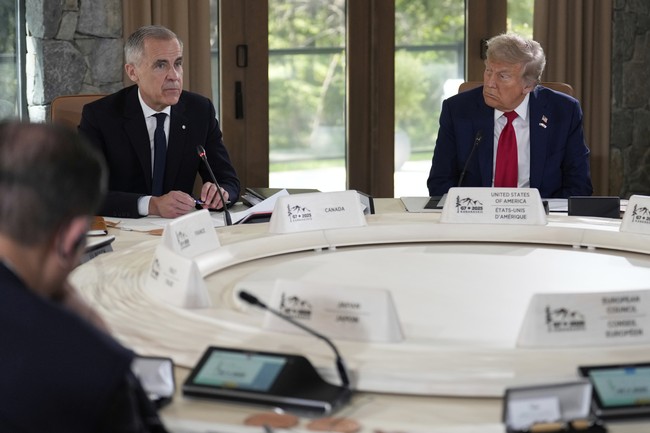
Trump Hits Pause on Canada Tariffs With Keystone XL Back in Play
President Trump delayed a set of 50 percent tariffs on Canadian goods at the eleventh hour after Ottawa signaled it would address disputes over alcohol, dairy and auto market access. The pause pushes the tariffs’ effective date three days while negotiators finalize a deal that could include the controversial Keystone XL pipeline. The move relied on Section 338 of the Tariff Act of 1930, a rarely cited authority that allows steep duties when another country is deemed to be discriminating against American commerce. Both governments say progress was made, though final paperwork was not public at the time the deadline was extended.
Trump announced the reprieve late Tuesday, moving the effective date from August 19 to 12:01 AM ET on August 22 and saying the two countries “have a DEAL,” pending paperwork. The tariffs in question targeted nearly $20 billion in Canadian imports and were set to hit at midnight before the delay. The duties had been ordered to respond to what the administration called discriminatory treatment of U.S. liquor, dairy, and motor vehicles. For U.S. negotiators, the tariffs were leverage to win broader concessions on trade and market access.
The proclamation affects three rounds of duties Trump ordered on July 20 and springs from fights over American liquor on Canadian shelves, Canada’s dairy quota system, and vehicle access. Canada had pulled some American liquor from stores last year in retaliation for earlier tariff actions while continuing to sell foreign products. U.S. officials also raised long-standing complaints about Canadian limits on cheese and other dairy imports, as well as rules that curb U.S. automakers’ access to the Canadian market.
Trump invoked a rarely used statutory tool to force movement: Section 338 of the Tariff Act of 1930, which allows a president to impose duties of up to 50 percent when discrimination is found. Admin officials said the threatened tariffs would have been the first time Section 338 was actually deployed to this extent. The U.S. Trade Representative’s office laid out hopes for improved access for American goods, economic security measures, digital trade rules, and protections for U.S. workers as part of the bargaining objectives tied to the threat.
https://x.com/RapidResponse47/status/2089899233528741995
One dramatic element of the negotiations is the potential revival of Keystone XL, a project that former President Biden canceled and that environmental advocates had hailed as a victory. Trump wrote, “The great Keystone XL Pipeline, long ago killed by Sleepy Joe Biden, may be awoken from the grave!” If the pipeline becomes part of whatever deal the two nations sign, it would mark a major policy reversal and a high-profile payoff for using trade pressure as leverage.
Despite Trump’s public pronouncements, Canadian officials were more cautious about claiming a finished pact. Prime Minister Mark Carney said, “Substantial progress has been made, although there is important work still to be done.” That hedged language reflected a negotiating posture that acknowledged movement while protecting room for further discussion and approvals from provincial authorities who control alcohol sales.
Provincial buy-in matters because Canada’s provinces run liquor distribution in their jurisdictions, so reversing store bans on U.S. bottles requires local cooperation. Ontario’s premier has indicated his province would lift restrictions if Ottawa secures a fair deal for Canada. That intergovernmental dynamic adds complexity and timing risk: Ottawa can promise changes, but provinces must implement them on the ground to restore U.S. products to shelves.
Canada has also pressed the United States to reconsider other longstanding duties on steel, aluminum, automobiles, and lumber. Those existing tariffs remain in force; Tuesday’s proclamation only postponed the new Section 338 duties. Negotiations touched on a wider slate of trade frictions beyond the specific tariffs that were about to take effect, suggesting both sides see an opportunity to address multiple disputes at once.
No final agreement text had been published as of early Wednesday, and neither government had posted a completed deal for public review. The United States set a hard deadline of 12:01 AM ET on Saturday for Canada to deliver on the promises that prompted the delay. If Canada fails to finalize the commitments, the tariffs are scheduled to snap back automatically without any further unilateral action required from the White House.
This episode underscores how tariffs can be used as high-stakes leverage in modern trade diplomacy, and how a single statute from 1930 can resurface as a bargaining chip. It also highlights the interplay between federal negotiations and regional authorities when market access and retail rules are on the table. For now, the pause buys time for a deal that could reshape cross-border commerce, and perhaps revive a project that has been politically and environmentally polarizing for years.

Add comment