
This piece argues that Democratic leaders keep misunderstanding why voters turned to Donald Trump, highlighting recent comments from Michelle Obama and local officials as examples of a broader disconnect between party elites and the people they’re supposed to serve.
Michelle Obama’s View of Trump Voters Is Exactly Why Democrats Are Struggling
A recent local exchange showed the same tone deafness that haunts national Democrats. Mayor Karen Bass suggested her opponent was merely “tapping into a general sense of anger,” and that line of thinking betrays a failure to grasp real voter frustration. People are mad because they feel left behind by policies and promises that never fixed the basics.
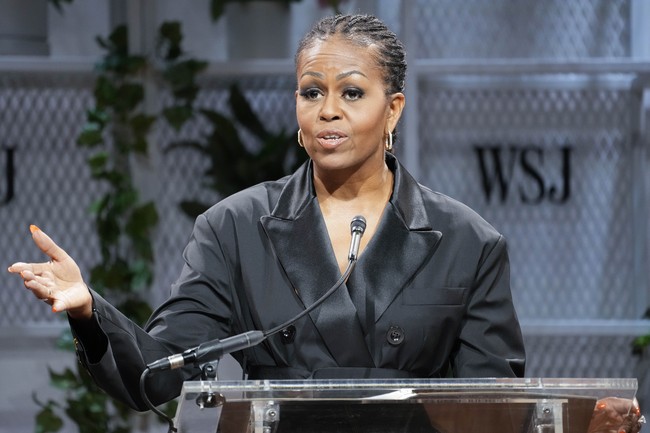
The pattern repeats at higher levels. In an interview on the “Talk Easy” podcast, Michelle Obama described many Trump voters as driven by struggle with healthcare and rising costs, framing their choice as an act of desperation. She said voters were reacting out of human nature, making choices that might be “against your own interest.” That phrasing comes off as condescending and dismissive to ordinary Americans who made a conscious political decision.
“You know, I can’t look some people in the face and tell them you have no right to be angry or to do something that maybe is against your own interest. That’s what — that’s human nature. Many of the people who voted for my husband twice — twice! And I know that that’s how they feel. It’s like, this isn’t, this isn’t about anything other than I’m, just, we need something different.”
Her warning not to “pigeonhole” voters is fine in theory, but the delivery matters. Saying people made “bad choices” because they faced hardships ignores the fact that voters weighed policy outcomes and elected a candidate who promised concrete changes. Labeling those choices as merely emotional or misguided misses the accountability voters sought after years of unmet promises.
For years, Democratic leaders promoted policies that many Americans saw as out of touch with day-to-day concerns. Voters wanted border security, lower taxes, and an economy that worked for families, and they backed someone who framed those goals plainly. When elites respond by suggesting voters were too confused or too upset to know what they were doing, it deepens the gap rather than closing it.
Michelle Obama said the country felt “confused” and warned against reducing voters to stereotypes. That comment might sound sympathetic, but it also betrays a misunderstanding of the electorate’s priorities. Many Americans are not confused; they are making distinct choices about tradeoffs, values, and who they trust to protect their interests.
The exchange about community responses in Minnesota highlighted another divergence. Michelle praised local efforts after shootings, saying, “And you know I’m, right now I’m kind of digging the way folks are beginning to respond, right? I mean, Minnesota, powerful stuff. I mean it was a powerful reminder of what a community of people can do and are willing to do to protect one another.” That line applauds a grassroots impulse, but it also raises questions about when community action crosses into challenging the rule of law.
When party leaders celebrate actions that some see as opposing law enforcement or national rules, it alienates voters who prioritize security and order. Americans want both compassion and clarity: support for neighbors in crisis, yes, but also respect for institutions that keep communities safe. Framing reactions as proof of moral superiority misses that balance.
Democrats keep wondering why they lose ground even when they hold cultural influence and media platforms. A big reason is tone, not just policy; talking down to people or implying they were duped does more harm than good. Voters remember who focused on tangible issues like jobs, borders, and taxes versus who talked chiefly about intentions and feelings.
Political success depends on persuading people you understand their day-to-day struggles and will deliver real results, not on lecturing them about why their choices were understandable but wrong. Until Democratic figures change how they speak about ordinary Americans and start offering practical fixes instead of critiques, that party will keep struggling to win back the voters it has lost.



Add comment