
Checklist: Report the runoff result; note Trump’s endorsement and polling; explain implications for November; include vote numbers and precinct reporting; preserve quoted material and embeds.
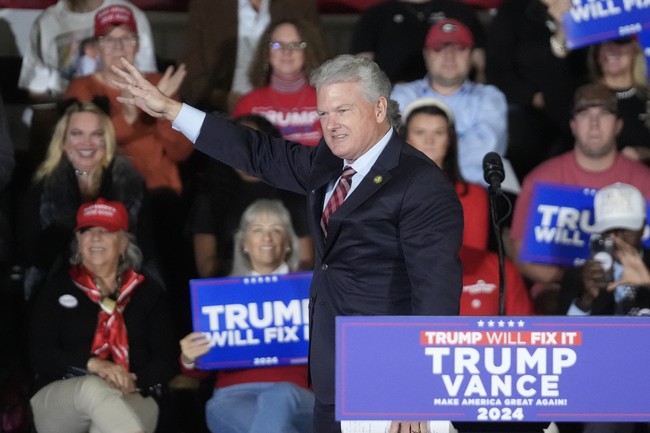
Decision Desk HQ projected that Republican Rep. Mike Collins defeated former Tennessee coach Derek Dooley in the Georgia Senate runoff, with Collins leading 54 percent to 45 percent while 56 percent of precincts were reporting. That margin represents a decisive pickup for the GOP in a high-profile contest, and it came after a campaign where national attention and endorsements mattered. The result reinforces momentum that Republican voters hoped to see heading into the general election. Photo credit: AP Photo/John Bazemore.
https://x.com/DecisionDeskHQ/status/2067036048463462609
Collins carried the advantage of President Donald Trump’s endorsement, and that backing clearly resonated with a base focused on America’s priorities and security. Polling ahead of the runoff showed Collins with a comfortable edge over Dooley, which matched the eventual outcome on election night. Even with an early surge by Dooley, conservative voters consolidated around Collins as the race tightened. The campaign framed the choice as a contrast between a pro-America First agenda and a more establishment approach, and voters chose the former.
The projected nine-point spread makes the runoff more than a narrow victory; it’s a clear signal that Republican messaging on issues like the economy, immigration, and law and order is finding traction in Georgia. Collins will now carry that mandate into the general election, where he will face Senator Jon Ossoff in November for the seat. The matchup sets up a classic confrontation: a GOP candidate who rode national movement energy versus an incumbent Democrat who remains tied to party leadership in Washington.
Campaign dynamics in the runoff highlighted how endorsements and ground game combine to decide close contests. Collins leveraged national support while local GOP organizers turned out voters in key precincts, showing the organizational muscle Republicans have been rebuilding across the state. Dooley’s background as a former coach gave him name recognition, but it wasn’t enough to overcome the messaging and turnout advantage the Collins campaign achieved. The result underscores that credibility with the conservative base and a focused get-out-the-vote effort are still decisive factors in Georgia politics.
For Republicans, this victory is more than one seat; it’s an affirmation that the party’s coalition remains active and motivated. The win keeps momentum alive for defending and expanding the GOP’s role in the Senate, and it offers a concrete example of how endorsements from presidential allies can sway tight contests. Collins now moves into the general election with a clearer path to challenge the Democratic incumbent, and his campaign will push the contrast between his priorities and Ossoff’s record in Washington.
Strategically, the campaign will shift from a runoff posture to a statewide general election strategy, requiring broader outreach while maintaining the energy that produced this result. Collins’ team must now translate runoff turnout into sustainable support across Georgia’s diverse regions, from urban centers to rural counties. The Republican message that emphasized economic growth, secure borders, and a tough stance on crime will form the backbone of the general election pitch. How well the campaign scales those themes statewide will determine if this victory becomes a November pickup.
National implications matter too: this outcome feeds into the narrative about which party can mobilize voters around clear priorities in 2026. A decisive win in a competitive southern state sends a signal to donors, strategists, and volunteers that the GOP is competitive where it counts. It also forces Democrats to reassess messaging and resource allocation as they defend incumbents like Ossoff. For the Trump-aligned wing of the party, Collins’ victory validates a strategy of endorsing fighters who promise to deliver on the America First agenda.
The campaign season is far from over, and each contest now becomes part of the larger map that will determine control of the Senate. Collins’ victory in the runoff gives Republicans another race to defend and a fresh candidate to spotlight against the Democratic incumbent. Political operatives on both sides will study turnout patterns, demographic shifts, and messaging that worked or failed in this runoff. Those lessons will shape advertising buys, field operations, and debate strategy as the calendar moves toward November.
Editor’s Note: The 2026 Midterms will determine the fate of President Trump’s America First agenda. Republicans must maintain control of both chambers of Congress.


Add comment