
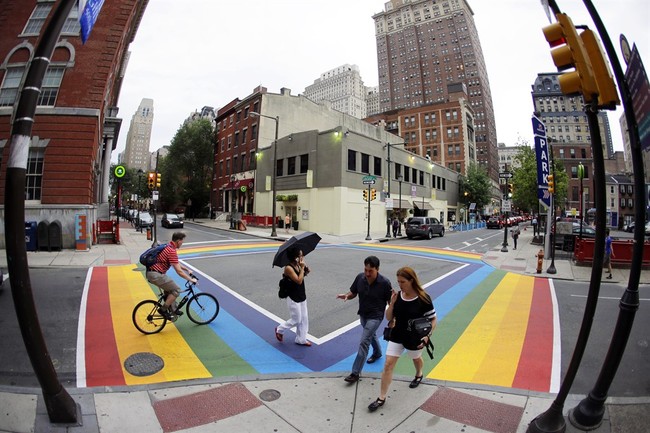
I’ll explain how the Biden-era “DEI bike lanes” label came to matter, show what Sean Duffy did with $1.73 billion, quote his exact message, walk through the media meltdown, and close with why this shift matters for roads, bridges, and basic priorities.
The controversy started when Transportation Secretary Sean Duffy announced moving $1.73 billion away from projects the previous administration framed around equity and climate, and toward traditional infrastructure. He used a blunt phrase that cut through jargon and lit up social feeds. The phrase “DEI bike lanes” became the shorthand for what many conservatives saw as misplaced priorities.
Politically, the move is both symbolic and practical. Symbolic because it signals a rejection of the Beltway habit of wrapping every program in identity-based language. Practical because the money will go to things people actually use: roads, bridges, ports, transit, rail, and truck parking. That matters when you want freight moving, commuters getting home, and commerce to function without theater.
When Duffy tweeted about the decision, he framed it sharply and left no room for euphemism. The post said in part, “Remember when Biden and Boot-edge-edge used YOUR MONEY for DEI bike lanes and climate change?” and finished with “THAT’S OVER.” The words landed like a mic drop and made the point everyone on the receiving end understands: priorities are changing, and the playbook is different now.
Remember when Biden and Boot-edge-edge used YOUR MONEY for DEI bike lanes and climate change?
https://x.com/SecDuffy/status/2074626934966034751
THAT’S OVER
I just redirected $1.73 billion in USDOT grants away from Biden-era DEI pet projects
Now this funding is officially locked in to fix America’s actual backbone: ROADS, BRIDGES, AND SHIPPING PORTS
The original RAISE grant language under the prior administration explicitly encouraged applicants to consider “climate change, ensure racial equity, and remove barriers to opportunity,” plus labor standards and apprenticeships. Critics on the right argued that turned objective infrastructure work into a political checklist. The Duffy move was calculated to reverse that and refocus dollars on tangible transportation needs.
As you’d expect, the reaction from the left was immediate and theatrical, just not always simultaneous. Outlets that favor progressive urban planning framed the change as a culture war attack on safe streets and climate goals. The rhetoric leaned into fear: that removing those priorities would doom cyclists and green projects, despite the fact that this reallocation aims at core transportation systems used by far more Americans.
The media crescendo included hot takes from national outlets accusing the administration of politicizing urban design, even as conservatives argued the opposite: that the previous policy politicized infrastructure. Both sides are playing to their audiences, but this isn’t just a messaging fight. It impacts which projects get money and who benefits when taxpayer dollars are spent.
On the ground, transportation professionals and local officials now face the practical task of reapplying criteria to projects and redirecting funds toward traditional assets. Bridges and ports require long-term investment and deferred maintenance is expensive. The argument that billions are better spent shoring up critical logistics and commuter networks than on boutique projects will resonate with voters who use those systems every day.
There’s also a political theater element here that can’t be ignored. The administration used provocative language deliberately, and it worked; the left’s delayed outrage made the GOP point for them. For those who favor prioritizing essential infrastructure over what they see as ideological experiments, this is a welcome reset. For opponents, it’s a rallying cry to defend their approach.
At the end of the day, this change is about deciding whether federal transportation grants are aimed at equity and climate first or at fixing and maintaining the backbone of American transportation. The debate is loud, but the core question is simple: whose needs should tax dollars meet first — concentrated policy experiments or broad, everyday infrastructure that keeps the economy moving?


Add comment