
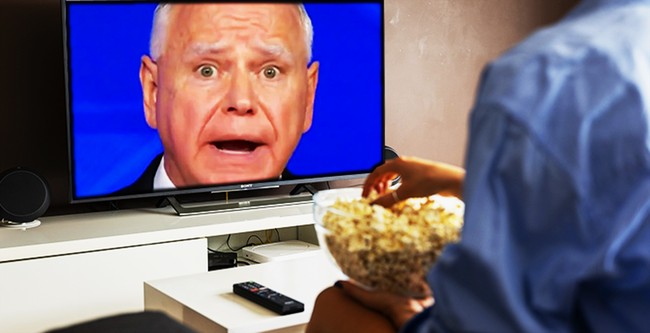
The House Oversight Committee is demanding answers from Minnesota Governor Tim Walz amid allegations of widespread fraud in state social services programs; this article lays out the committee’s push for a February 10 hearing, the political fallout after Walz withdrew his re-election bid, and what Republicans see as necessary accountability for taxpayer money lost under his watch.
There are moments in politics that make you realize a career is entering its final act, and Republicans watching this saga say Tim Walz appears to be on that path. With Walz withdrawing his re-election bid, the optics are terrible for a governor whose administration is now tied to large-scale fraud investigations. Republicans argue that leaving the ballot does not erase responsibility, especially when taxpayers are the victims.
The House Oversight Committee has stepped in with formal requests and demands that push past mere headlines into potential public scrutiny. Committee leadership has called for documents, communications, and records from Walz and other officials tied to the programs under investigation. From a Republican perspective, transparency is not optional when public funds and alleged money laundering are involved.
Public hearings are the natural next step when there are systemic failures in government programs, and the committee has set a clear date for that process. The hearing scheduled for February 10 signals Republicans’ intent to put facts on the record in a public forum. That makes sense: voters need to see accountable officials answer direct questions under oath and on camera.
There is a lot at stake beyond political theater. The federal investigation that exposed this scheme reportedly involves money laundering tied to social services, and Republicans contend that someone must explain how oversight broke down. If millions of dollars moved improperly while state leaders either turned a blind eye or failed to detect problems, elected officials owe the public an explanation and corrective steps.
Though Tim Walz is not running for governor again, he cannot run from accountability. The House Oversight Committee demands that he appear for a public hearing on February 10 to expose this fraud and begin the process of accountability. The American people deserve answers, and they deserve them now.
Republicans see this as more than partisan pursuit; it’s about restoring basic fiscal responsibility and trust in government programs. The committee has also requested Treasury Department Suspicious Activity Reports and transcribed interviews with state officials to build a documented trail. If those records show negligence or willful ignorance, the political and legal consequences could follow.
The House Committee on Oversight and Government Reform is investigating the extensive money laundering and fraud in Minnesota’s social services programs that has been uncovered by the U.S. Attorney for the District of Minnesota. Chairman Comer has called on Minnesota Governor Tim Walz and Attorney General Keith Ellison to provide documents, communications, and records about widespread fraud that occurred under their watch. He has also called on them to appear for a public hearing on February 10, 2026.
Chairman Comer has also requested the U.S. Department of the Treasury provide all relevant Suspicious Activity Reports (SARs) to support the Committee’s investigation into fraud in Minnesota. Chairman Comer has also requested transcribed interviews with several Minnesota state officials.
That quoted statement outlines a formal investigative path: requests for documents, SARs from the Treasury, and transcribed interviews. Republicans emphasize that such an approach is evidence-based and procedural, not purely rhetorical. The committee plans to gather the paper trail first, then use the hearing to test explanations against records and sworn testimony.
Opponents will frame this as political theater, but Republicans argue that accountability should not be dismissed as partisanship when public dollars are at risk. The fact that a U.S. Attorney unearthed these problems adds weight to the committee’s work and gives the hearing a legal and investigative backbone. Elected officials who oversee programs must answer for failures that allow fraud to flourish.
Legally, consequences are uncertain until investigators complete their work, but the political ramifications are immediate. Walz’s decision to step away from re-election does not shield him from questions about operational control and oversight during his tenure. Republicans insist that the committee’s public hearing is the right forum to expose what went wrong and who was responsible.
Citizens expecting prudent stewardship of taxpayer money should welcome the scrutiny. The Oversight Committee’s subpoenas and document requests are standard tools meant to produce facts and reveal systemic weaknesses. If reforms are needed, the public should see them proposed alongside the findings, and if malfeasance is discovered, those responsible should face appropriate consequences.
For now, the February 10 hearing is the immediate focal point, and Republicans say it ought to be thorough, televised, and unflinching. That schedule gives the committee time to collect the records it has requested and to prepare pointed questions for state officials. Whether the answers will satisfy voters or simply deepen the crisis remains to be seen, but Republicans are clear about one thing: accountability matters when taxpayer funds are on the line.

Add comment