
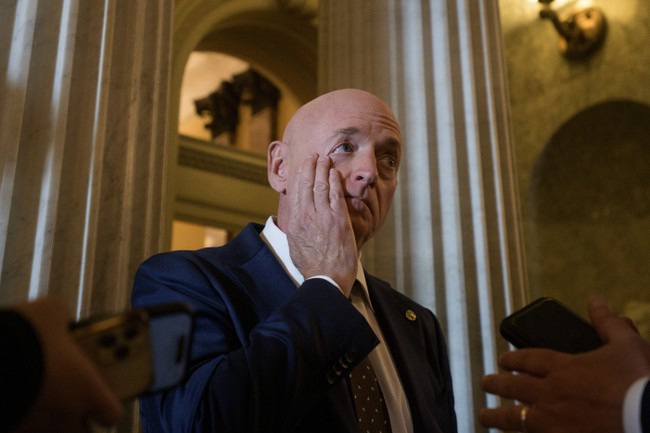
The piece examines the fallout from a video by six Democratic lawmakers urging military and intelligence personnel to disobey orders, the sharp Republican response led by Pete Hegseth, and the concrete actions taken against Sen. Mark Kelly including a censure letter and a review of his retirement rank and pay. It tracks the accusations of sedition, the argument that such statements undercut the chain of command, and Kelly’s rebuttal claiming political intimidation. The article lays out the stakes for retired officers who enter political life and why accountability matters for military cohesion and public trust.
The video in question was released November 18 and featured six Democrats with military or intelligence backgrounds urging personnel to decline orders they believed unlawful. Conservatives immediately called it a dangerous invitation to defiance inside the ranks, arguing the message crossed a line from critique to practical insubordination. That reaction framed a broader debate about where advocacy ends and interference with military readiness begins.
Pete Hegseth, serving as Secretary of War in this account, publicly labeled the video “seditious” and moved beyond rhetoric into action, signaling that words from retired officers now serving in elected office carry consequences. He announced a formal censure for Sen. Mark Kelly and directed a review of Kelly’s retirement rank and pay, giving the Navy 45 days to recommend whether a downgrade is warranted. This isn’t theater; it’s a procedural step that could strip privileges linked to rank and hit a pension tied to that status.
As a retired Navy Captain who is still receiving a military pension, Captain Kelly knows he is still accountable to military justice. And the Department of War — and the American people — expect justice.
The response from Hegseth was framed as restoration of discipline and honor in the military, not partisan revenge. From a Republican viewpoint, maintaining a clear chain of command and preventing political actors from encouraging disobedience are matters of national security. The review aims to enforce standards that apply to all who swore oaths, regardless of their current political office.
Critics on the left framed Hegseth’s actions as intimidation, painting the move as a warning shot to retired service members who speak out. Sen. Kelly’s statement called the effort a political attack and warned it would silence dissent among veterans. The clash highlights a tension between free speech claims and the responsibilities tied to prior military service when those individuals seek to influence active-duty decisions.
The potential penalties are tangible: a downgrade in retirement rank reduces monthly pay and can alter benefits, not merely reputation. For a former captain turned senator, that economic consequence is a real-world enforcement mechanism rather than mere symbolism. Republicans argue that it’s appropriate to hold a former officer to the laws and customs of service when public statements threaten unit cohesion.
Hegseth underscored the point that elected office does not provide immunity from accountability for actions taken while subject to military rules. He warned that further violations would prompt additional measures, reinforcing the message that retired officers must avoid actions that could destabilize operations or encourage insubordination. The Republican framing here emphasizes duty, consequence, and the integrity of the armed forces above partisan considerations.
Secretary of War Pete Hegseth said Sen. Mark Kelly, D-Ariz., will receive a formal censure letter and that he has directed Secretary of the Navy John Phelan to review the retired Navy captain’s retirement rank and pay and provide a recommendation in 45 days, sharply escalating an investigation alleging he made “seditious statements” that undermined military operations…
The review could result in a downgrade of Kelly’s rank at which he officially retired. As a result, his retirement pay, which is tied to rank, may also be reduced.
A censure letter will also be issued outlining the “totality of Captain Kelly’s reckless misconduct,” Hegseth said.
Supporters of Hegseth’s move point to real-world incidents where breakdowns in obedience had severe consequences, arguing that safeguards are needed to prevent political rhetoric from becoming operational guidance to troops. They say a tight, apolitical chain of command protects the country, and public calls for disobedience are not mere advocacy. This perspective treats the review as an essential check to preserve military effectiveness.
Kelly, for his part, defended his actions as protected speech and accused Hegseth of weaponizing the military bureaucracy for partisan ends. That stance reflects a familiar Democratic line that seeks to treat retired officer speech like any other senator’s political speech. Republicans counter that retired status plus pension ties create continuing obligations that make such statements different and subject to military law and customs.
Pete Hegseth wants to send the message to every single retired servicemember that if they say something he or Donald Trump doesn’t like, they will come after them the same way. It’s outrageous and it is wrong. There is nothing more un-American than that.
At the center of this episode is a basic question: should former officers turned politicians be treated the same as civilians when their remarks could prompt active-duty personnel to disobey orders? Republicans argue the answer is no, insisting that accountability must follow to prevent erosion of military discipline. The review underway will test that argument and set a precedent for how similar cases are handled going forward.


Add comment