
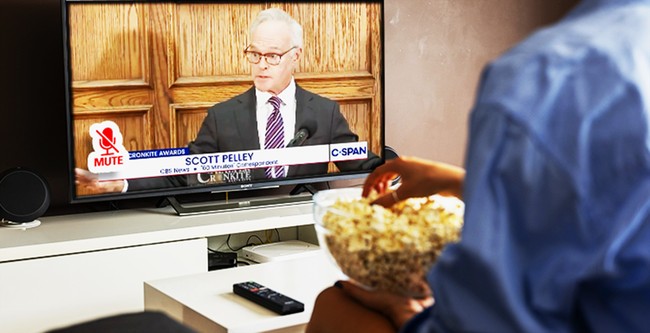
The long-running news program 60 Minutes hit a rocky patch this week after a heated staff meeting led to the termination of veteran correspondent Scott Pelley, and the shakeup exposes tensions between new leadership under Nick Bilton and a newsroom resistant to rapid change.
Nick Bilton stepped into the executive producer role last Thursday, and almost immediately found himself navigating fallout from sweeping personnel moves that included several high-profile departures. Staff gathered for an all-hands meeting intended to outline Bilton’s vision and the program’s direction, but the session devolved into a confrontation that put the new regime on the defensive. What was meant to be a managerial reset turned into a public test of wills between tradition and a management team promising a different approach.
Scott Pelley, a long-tenured correspondent, openly challenged Bilton during the meeting, demanding explanations for recent firings and questioning Bilton’s qualifications. Rather than accept a private conversation, Pelley pressed his case in front of colleagues, accusing leadership of undermining the show’s legacy. Those actions did not sit well with Bilton or the wider leadership team, setting the stage for swift and decisive action.
Bilton’s response was blunt and formal, framed as a defense of the workplace culture he plans to build. He characterized Pelley’s conduct as a disruption to constructive dialogue and expressed that Pelley’s behavior suggested no interest in collaborating for the show’s future. Bilton emphasized the need to deliver “first-in-class news programming” instead of fueling newsroom spectacle, making clear what kind of tone he expects from staff.
“[Y]ou hijacked my first meeting with staff to disparage me, my qualifications, and my intentions with remarkable incivility and contempt,” Bilton wrote, referring to Monday’s heated face-off between the journo and his boss.
Bilton further accused Pelley of staging a “performative display of hostility” and claimed he had “no interest in contributing to the future success of the show, or approaching my new tenure with a mind open to collaboration and progress.”
“I am here to deliver first-in-class news programming, not to make headlines about newsroom drama,” Bilton wrote.
Reports indicate that Bilton had attempted to defuse tensions before the public clash by reaching out to Pelley personally and inviting a one-on-one dinner. Pelley reportedly declined, and the public confrontation followed. That refusal shifted the dynamic, as leadership interpreted Pelley’s conduct as choosing theater over a private resolution. In turn, CBS executives and HR moved quickly to evaluate Pelley’s status with the company.
Sources close to the discussions say a follow-up meeting was convened with Bari Weiss, Nick Bilton, Tom Cibrowski, and HR present to determine whether a path forward was possible. The parties failed to find common ground, and the leadership team concluded Pelley was not open to reconciliation. Those deliberations culminated later that night in a decision to terminate Pelley’s employment for cause, accompanied by a staff memo explaining the choice and warning of potential legal friction ahead.
Coverage from inside the building suggested the language chosen in internal communications pointed toward a possible legal dispute, suggesting the company prepared for pushback. The swift timeline—from Monday’s confrontation to a termination notice the next evening—signals that the new leadership is willing to act decisively to enforce workplace standards. For conservatives watching legacy media, Pelley’s dismissal is being framed as overdue accountability for an industry long perceived as insulated from consequences for theatrical behavior.
https://x.com/DylanByers/status/2061982936698892423
This episode also underscores broader questions about newsroom culture and leadership transitions. When a new executive arrives promising change, veteran voices often push back, but the form that pushback takes matters. Management has a duty to protect a collaborative environment and to set expectations about professional conduct, especially when a program’s reputation and future depend on cohesive teamwork. Bilton’s letter made clear that he values collaborative progress over public grandstanding.
For observers on the right, the situation reads like another example of internal media chaos where legacy personalities clash with new oversight and strategic shifts. The dispute also feeds narratives about bias, management priorities, and how modern newsrooms handle dissent. In this case, the leadership chose to prioritize a structural reset rather than accommodate a high-profile correspondent’s public objections, and that choice reshaped the program’s personnel roster almost overnight.
Whatever the legal aftermath, the immediate result is a newsroom that will either rally behind Bilton’s mandate or continue to fracture under competing loyalties. The swift separation after a single public confrontation sends a clear message about what conduct is acceptable and what will trigger decisive action from ownership and senior editors. For anyone invested in the future of broadcast journalism, the week’s events at 60 Minutes serve as a stark reminder that leadership changes can catalyze rapid and consequential shifts in both personnel and tone.
Puck News commentary and internal reporting tracked the timeline and internal meetings, noting how quickly deliberations escalated once leadership felt Pelley’s stance was nonnegotiable. Those accounts detailed a late-night memo to staff and flagged potential legal contention as management prepared to defend its decision. The framing of the events will now be debated in media circles, but the practical outcome is already clear: the new leadership moves with intention and expects the newsroom to follow.
The confrontation at 60 Minutes offers a case study in the clash between legacy personalities and new leadership styles, and it will be watched closely by newsroom managers and media watchers alike. The fallout raises sharp questions about where responsibility lies when respected figures choose spectacle over private resolution, and it forces a reckoning about how public disagreement is handled inside institutions that trade on credibility and trust.



Add comment