
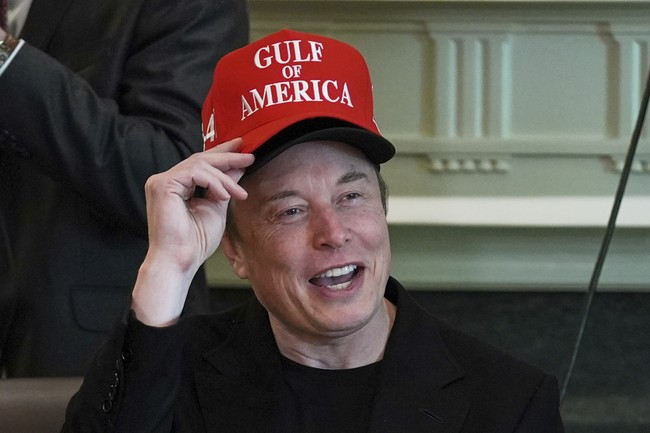
Elon Musk, after a rocky stretch with the president, has signaled he’s “all in” for Republican efforts in 2026, hinting at renewed financial and strategic support that could shape the party’s midterm landscape. This article walks through his recent public statements, the history of his involvement with the GOP and the Department of Government Efficiency (DOGE), what his return might mean for campaigns, and the unresolved tensions that still hover between Musk and former allies.
Tech entrepreneur Elon Musk played a major role supporting Donald Trump during the 2024 election cycle and backed Republican causes with vast sums. His time leading the Department of Government Efficiency, known as DOGE, generated regular headlines and energized conservatives by promising big fraud discoveries and efficiency reforms. That period created real momentum and raised expectations about what a tech-minded donor could do for the GOP when focused on government waste and oversight.
The relationship between Musk and the president later cooled after Musk expressed fury over legislation he called a “pork-filled abomination.” In the aftermath he posted sharp criticisms online and at times attempted to draw controversial connections, which strained the alliance. The dynamic has been uneven: public warmth and cooperation followed by public spats and distance, and then a gradual thaw in recent months.
On New Year’s Day Musk responded to a conservative user saying he was “all in,” and reinforced his warning about what a left-leaning victory could mean for the country. He wrote, “America is toast if the radical left wins,” in a post that drew massive attention and millions of views. That line captures why many Republican strategists welcome his return: he blends dramatic rhetoric with the ability to mobilize resources at scale.
When Musk decides to back a cause he rarely stops at small gestures; his past contributions reshaped competitive races and drew national attention. In 2024 he was the top political donor of the cycle, with reported contributions that far exceeded most individual givers. Those dollars translated into headquarters support, ad buys, and organizational muscle that local campaigns rarely see from single donors. For Republicans wary of anemic fundraising, his return offers a fast track to leveling the playing field.
The world’s richest man has reportedly already made significant contributions to Republicans in 2026 congressional races, according to Axios.
The size of Musk’s recent donations won’t be known publicly until campaign finance reports are released later this month.
Musk shelled out more than $290 million in the 2024 election cycle, making him the top political donor of that year by nearly $100 million.
Musk’s New Year’s Day post included a clip of Trump patting him on the arm in November, when the former Department of Government Efficiency (DOGE) chief made his return to the White House after a nasty breakup with the president.
Beyond checks, Musk brings media gravity and the ability to shift narratives on issues like tech policy, regulation, and government efficiency. His platforms and public presence can amplify a candidate or cause overnight, which is exactly what campaigns crave heading into a high-stakes midterm cycle. That amplification also raises questions about consistency and control; donors who dominate the spotlight can complicate message discipline for a candidate or a party.
The practical question is how deep Musk’s involvement will be. Will he bankroll national advertising efforts, seed state-level infrastructure for key races, or channel money through independent groups and outside committees? Each approach carries different legal and political trade-offs, and the full picture often emerges only when filings appear. Still, even early indications of his participation are enough to shift priorities and fundraising calculations inside Republican circles.
Musk and the president still carry personal baggage, and that unpredictability is part of the package when a high-profile billionaire joins the political arena. They have both shown the capacity to reconcile after sharp disagreements, but they have also shown they can go public with anger and critique. For party leaders, the task will be to harness Musk’s resources while managing potential flashpoints that could distract from broader campaign goals.
Conservative supporters view Musk’s potential reengagement as a net positive, crediting him with energy, innovation, and a willingness to spend where it matters. Skeptics warn about dependency on a single donor and the peril of letting fundraising dynamics override candidate quality or local strategy. Either way, Musk’s return to active Republican support promises to be a major storyline for 2026 and beyond, as the party readies itself for competitive contests across the country.
Whether Musk and key Republican figures can avoid future personal spats is uncertain, but his recent public language makes one thing clear: he sees the political stakes in stark terms and is prepared to act. For Republicans, his involvement offers both opportunity and challenge — a powerful infusion of money and media influence, paired with the need for careful coordination and message discipline. The coming weeks should clarify how deep that commitment will run and which races will feel the biggest impact.

Add comment