
I’ll show how Trump’s blunt attack on Abdul El-Sayed lands as a meaningful warning about hard-left economics, lay out why labels like socialist and communist matter in this fight, point to the practical consequences Trump described, highlight the company El-Sayed keeps and what that implies for policy, and explain why Republicans should make this a sustained messaging point through the 2026 cycle.
https://x.com/nicksortor/status/2085123638118805535?ref_src=twsrc%5Etfw
— Nick Sortor (@nicksortor)
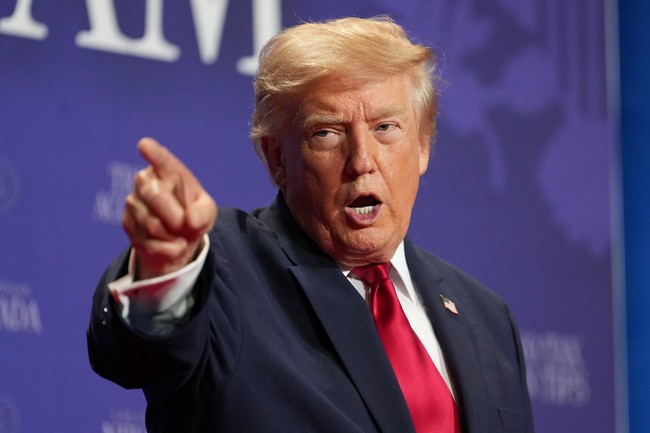
🔥 NOW: President Trump is GOING OFF on Democrat MI Senate nomine Abdul El-Sayed for being a full-on communist
“When I watch Abdul.. he’s full of SHlT”
“They want to SKIP socialism, they want to go right down to the BOTTOM OF THE BARREL. That’s COMMUNISM!”
“They want us to be a communist country. We’re NOT letting them have it as a communist country, not even for a minute.”
“Every time this has happened and you [go communist], you go through squalor, filth, crime, death, destruction, embarrassment.. you lose your home, you lose your apartment, and that’s where the communists will take us, 100%”
President Trump’s blunt phrasing may offend critics, but the point he made is simple and stark: radical promises of blanket government provision have consequences. Voters hear words like free healthcare and free housing and imagine immediate benefits, but history and recent experiences in other countries show the long-term results can be disorder and decline. Republicans should frame that contrast plainly, not as fear-mongering but as a lesson in cause and effect for civic stability and personal prosperity.
Abdul El-Sayed presents himself as a mainstream progressive, yet his endorsements and associations tell a different story. Support from high-profile democratic socialists and frequent appearances at far-left events point to policy preferences that go well beyond modest reform. That alignment matters because it’s not just a set of talking points; it signals the direction of governance if those ideologies gain power.
Trump’s list of outcomes — “squalor, filth, crime, death, destruction, embarrassment” — is deliberately visceral because voters respond to concrete stakes. The argument Republicans should press is not only ideological but practical: dismantling incentives and markets undermines investment, erodes public safety, and reduces the quality of everyday life. When leadership prioritizes centralized control over property rights and local institutions, the ripple effects hit working families first.
There is a common tactic from the left that pushes back by splitting semantics: socialism versus communism. That academic debate misses the political reality on the ground, where policy proposals blend and accelerate. When elected officials or their allies start advocating for wholesale changes to markets, private property, and enforcement institutions, the shift is less academic than existential for how communities operate.
Prominent conservatives and some independent voices have pointed out that labels are shorthand for lived outcomes, not mere slogans. When movements call for the dismantling of capitalism, weakening of borders, or the neutralization of law enforcement, those aren’t abstract conversations confined to think tanks. They manifest in policy choices that reallocate power away from local stakeholders and toward centralized bureaucracies with little accountability.
Republicans must make the contrast clear without leaning on caricature. It’s more effective to show real examples of where radical left policies have produced harm, and to tie those examples to current proposals coming from figures like El-Sayed. Voters are practical; when you connect a candidate’s rhetoric to tangible problems — empty store shelves, property loss, rising crime — the argument gains clarity and urgency.
Messaging should also highlight the trade-offs inherent in big promises. Economies don’t create value because politicians decree it; value flows from investment, entrepreneurship, and property protections. Promises of universal benefits hide the costs: higher taxes, reduced incentives, and diminished economic mobility. Pointing out those trade-offs helps citizens weigh immediate appeals against long-term consequences.
Beyond economics, conservatives can press on the cultural consequences of drastic systemic change. Communities thrive when institutions reflect and reinforce norms that protect families, schools, and local businesses. Policies that erode those institutions in the name of sweeping ideological goals often leave a vacuum, and filling that vacuum can take generations.
Finally, Republicans should treat this as a sustained campaign rather than a single talking point. Repeating the same clear, evidence-based warnings about the direction associated with extreme progressive movements will sharpen voter understanding. The aim is not to shout but to educate: show voters the trade-offs and let them choose which direction preserves opportunity and security.



Add comment