
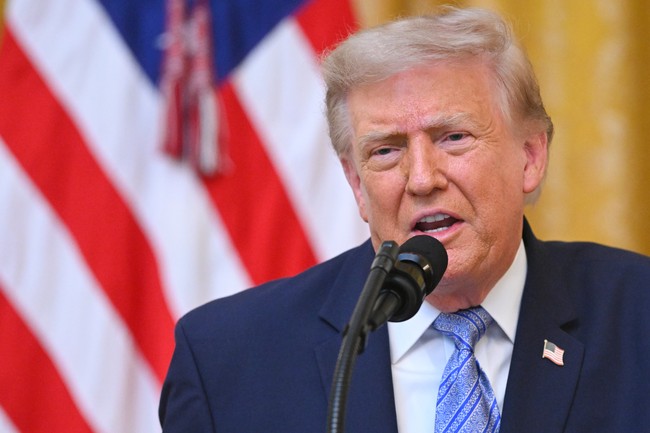
The piece examines a secret legal coordination by Democratic state attorneys general who, months before the 2024 election was decided, allegedly organized a “Project for Federal Accountability” to prepare lawsuits targeting a possible Trump administration, revealing timing, expense, and a partisan strategy that, from a Republican viewpoint, looks like preemptive opposition paid for with taxpayer dollars.
Dem AGs Built Anti-Trump Lawsuit Machine Before Voters Even Had Their Say
Documents show at least 22 Democratic attorneys general began coordinating a litigation network called the “Project for Federal Accountability” in April 2024, weeks before the election outcome was known. Seven signed on April 28, 2024, and a further thirteen joined by June, with no Republican AGs listed. That timing matters: it suggests preparation, not reaction.
The coordination was wrapped in confidentiality. The agreement is labeled “PRIVILEGED & CONFIDENTIAL COMMON INTEREST AGREEMENT” and was written to shield collaboration from public disclosure and opposing counsel. Officials said they wanted to pursue a “common interest” while avoiding any waiver of privilege, which in practice kept taxpayers and journalists in the dark.
Records later released by one state came back heavily redacted, and the secrecy drew immediate scrutiny from legal observers and watchdogs. Retired Connecticut judge Thomas Moukawsher called the agreement’s framing “legally dubious,” and former Utah AG Mark Shurtleff said plainly, “That’s not normal at all.” From a conservative view, secret pacts among prosecutors raise serious transparency and fairness concerns.
The attorneys general did not wait until an agenda was enacted to organize tactics and resources. They divided research assignments by issue area, built a library of pre-drafted briefs and what they called a “brief bank,” and identified litigation targets by studying policy proposals in advance. This sort of advance playbook makes the effort look like litigation as policy, not litigation as response.
The scale of activity after inauguration is striking. Democratic AGs filed close to 100 lawsuits against the Trump administration beginning in January 2025, with individual offices participating in dozens of cases. California’s attorney general took part in 82 cases, Colorado’s in at least 75, and Washington state’s in roughly 70. Those are huge numbers for state attorneys general operating in concert.
Money followed the plan. California reportedly spent $19 million on the effort already and authorized another $25 million, while New Jersey added funding for positions tied to the project. That translates to millions of taxpayer dollars funneled into a coordinated legal offensive aimed at a single president, which many Republicans view as weaponized government resources used for political ends.
Officials defended the planning as prudent preparation once a Trump nomination looked likely. Maryland’s attorney general insisted the network was about readiness and noted no suits were filed prior to the election. Yet organizing in secret, before any official acts were taken, looks less like routine preparation and more like strategy designed to hobble an incoming administration from day one.
The messaging from Democrats was candid in places. California’s attorney general said, “If (Trump) doesn’t want to get sued, all he has to do is follow the law,” adding, “I don’t think our cases are likely to be dismissed… Trump shows no sign of slowing down, so we will continue to sue him.” Meanwhile, Sen. Tim Kaine was equally blunt: “Look where we are now,” he said. “(The Democratic attorneys general) did what Republican attorneys general did with President Obama’s stimulus plan in 2009: ‘everything he’s for, we’re against.’” Those statements make clear this was political strategy as much as legal work.
Republican critics point out the paradox of a massive, coordinated legal campaign built before policies existed to justify it. The president had not issued post-election executive orders, signed bills, or taken second-term official actions when the network took shape. That raises a simple question for taxpayers and voters: should state law enforcement spend millions preparing to attack a likely opponent rather than focusing on neutral enforcement and constituent services?
The secrecy and scale of the operation continue to draw concern from a range of observers who worry about the precedent it sets. When state attorneys general act in a unified, secretive way to target a single political figure, the line between law and politics blurs. For many on the right, that blurring is dangerous, both for democratic norms and for responsible use of public funds.
For now, the playbook they built has been used extensively, and the costs are being tallied in court filings and state budgets. The story of advance planning by these attorneys general raises questions about accountability, transparency, and whether prosecutorial powers are being used to pursue partisan aims rather than to serve the public interest.

Add comment