
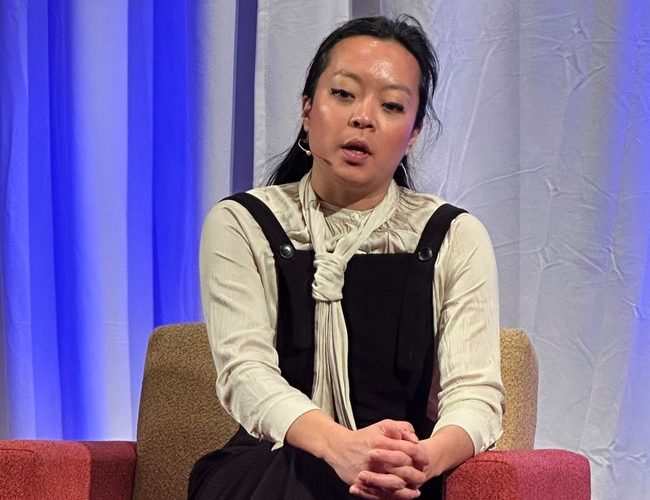
The rise of Democratic Socialists in state and national politics has become a repeat storyline, and Wisconsin’s Francesca Hong now sits at the center of that debate, running as a leading Democrat in a competitive gubernatorial primary while making clear policy promises and ideological claims that are drawing sharp responses from Republicans and voters alike.
In 2018 a new face called herself a Democratic Socialist and shocked the political scene, and since then more progressive figures have gained traction in cities and in Congress. Francesca Hong, a Wisconsin Assemblywoman, is being talked about as the rising socialist star in the Midwest and has picked up notable endorsements from across the Democratic left. Polling in the primary has shown her competitive with other front-runners, and her policy platform reads like a modern socialist playbook that seeks to expand government roles in everyday services.
https://x.com/scarlett4kids/status/2060198866209648995
Her policy agenda includes universal child care, a $20 minimum wage, government-run grocery stores, higher taxes on wealthy households, and opposition to certain data center projects. Under a section she labels “Public Groceries,” she argued that communities suffer when large grocery chains close stores in low-income and rural areas and claimed, “Fran wrote a bill to create publicly-owned grocery stores to serve Wisconsinites with universal access to healthy, affordable food.” That combination of populist language and structural solutions is what energizes her supporters and alarms her critics.
Hong has also expressed strong views on law enforcement and immigration that align with the more radical wing of her party, saying Immigration and Customs Enforcement should be abolished and describing what she called her “perfect world” as being one without prisons. Those statements were reported in local media and have been replayed by opponents as examples of policies they call impractical and dangerous. Supporters counter that her goals reflect a focus on restorative justice and meeting social needs to reduce incarceration, while detractors say the ideas ignore public safety realities.
Republican strategists are watching closely and not treating the threat lightly. The leading Republican in the race has warned colleagues in memos to take her candidacy seriously, arguing that ignoring her strengths could be a strategic mistake. For GOP voters, the mix of ambitious policy promises and high-profile endorsements is being framed as a warning about where a Democrat-led state government might head if more radical ideas win the day.
Hong’s messaging tries to frame these proposals as responses to real economic and social problems facing Wisconsin residents, especially in rural areas and underserved urban neighborhoods. She positions herself as someone who listens to voters who feel ignored and promises structural fixes to long-standing issues like food deserts and wage stagnation. That narrative resonates with people frustrated by slow-moving government and concentrated corporate power, but it also invites scrutiny over cost, implementation, and unintended consequences.
The debate over Hong’s platform also highlights a broader tension inside the Democratic coalition between pragmatic centrists and those pushing for sweeping transformations. Some Democrats privately worry that vocal socialist candidates could scare moderates or independents away in swing states, while others insist that bold ideas are necessary to mobilize a progressive base. That internal fight plays out publicly as primary voters weigh which direction the party should take in a post-2024 political environment.
Outside observers point to recent elections where voters punished parties perceived as out of step with mainstream priorities, and Republicans use those examples to argue that radical-sounding promises have real electoral costs. Democrats counter that addressing systemic problems requires major changes and that cautious incrementalism has failed many communities. The tension is now an electoral question as much as an ideological one, and Wisconsin’s primary will test how those competing messages land.
Campaign rhetoric aside, the mechanics of state governance matter: how proposals would be funded, the balance of local versus state control, and the practical steps needed to turn policy ideas into functioning programs. Critics highlight potential budgetary pressures and reliance on state bureaucracies, while advocates stress the moral imperative to expand access to services and protect vulnerable populations. Those technical debates will likely shape media coverage and voter perceptions through the coming primary season.
Wisconsin’s August primary will be the immediate marker for how voters in a Midwestern battleground respond to a candidate who openly embraces Democratic Socialist positions. If she wins the primary, the general election will force broader public conversations about those policies in the context of statewide governance. If she does not, the outcome will still influence the direction of the Democratic primary debate and offer lessons for future contests in other states.
We Need To Take Francesca Hong Seriously…Ignoring her strengths would be a strategic error. We have the tools to defeat her, but only if we respect the Mamdani-like threat she poses today.
Editor’s Note: The Democrat Party has never been less popular as voters reject its globalist agenda.

Add comment