
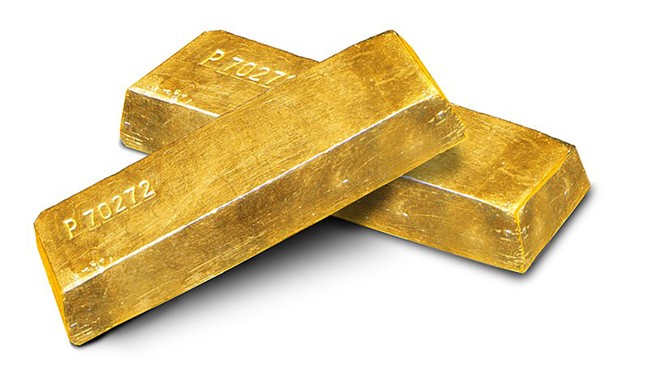
Senator Rand Paul toured the United States Bullion Depository at Fort Knox, walked underground to inspect the gold supply, and publicly pressed for transparency and an independent audit of America’s bullion holdings while reminding readers of the consequences of leaving the gold standard in 1971.
Rand Paul Visits Fort Knox: The Gold Is Still There
Senator Rand Paul made a point few politicians bother to: follow the ledger and look with your own eyes. He announced a visit to the United States Bullion Depository at Fort Knox, Kentucky, and used his platform to push for a clearer accounting of the nation’s gold reserves. This isn’t just a show-and-tell stunt; it ties directly into a broader argument about sound money and fiscal responsibility.
Paul shared the trip on his X account and signaled he planned to go below ground to see the bars himself. The move is both symbolic and practical: a senator stepping outside hearings and press releases to eyeball a national asset forces a conversation about accountability. For conservatives who believe limited government and fiscal discipline matter, an on-site inspection makes political sense.
https://x.com/SenRandPaul/status/2086840523218727115
At the Depository, the senator emphasized the numbers the Treasury reports and questioned whether public assurances are enough. He framed the visit as a chance to connect those reported figures to a real, physical store of value. On the campaign trail and in the Senate, Republicans often argue that trust in institutions should be matched with verifiable proof, and this was a straight application of that principle.
At Fort Knox, we’ve come to see the gold!
Our country has about a hundred and forty-seven million ounces of gold, and about half of it is stored here at Fort Knox.
We’re gonna be going deep underground to see the gold, but more importantly, we’re gonna be talking today about what happened to our dollar when we separated from gold in 1971.
I’m going underground, and I’ll let you know what I see in a little bit.
The quote is blunt and to the point, the kind of plain talk conservative voters expect. After years of fiat money and ballooning federal deficits, asking for a physical audit of gold holdings is a call for baseline stewardship. If officials say the gold is there, periodic, independent checks reinforce credibility and deter sloppy bookkeeping or worse.
Pressing for an independent audit isn’t an indictment of everyday Treasury workers; it’s a check on the system as a whole. Government must answer to taxpayers, and an independent tally of bullion would be an easy accountability measure. Conservatives who want smaller, smarter government should favor transparency that costs little and reduces uncertainty.
The visit also reconnects to a deeper economic argument about leaving the gold standard in 1971. Paul and like-minded conservatives argue that untethering the dollar allowed unchecked monetary expansion, which fuels inflation and erodes savings. Gold, they say, is a long-standing anchor of value that limits the political temptation to inflate away debt.
That argument resonates beyond theory: American miners keep producing gold today, digging literal money out of the ground. Mining in places like Alaska shows the resource remains valuable and strategic. For those wary of unlimited fiat money, domestic gold production is not just nostalgic—it’s practical insurance.
Some will scoff that modern economies no longer need metal behind money, but conservatives worry about faith-based currencies that can be expanded at the stroke of a pen. The prospect of recurring deficits and money printing makes a strong case for routine verification of tangible assets. If the government claims a reserve, citizens and their representatives have every right to confirm it.
Paul’s action is also political theater with a purpose: it forces the debate into plain sight. Holding up the idea of gold reserves and asking for independent audits focuses attention on accountability, durability of currency, and the long-term consequences of fiscal choices. It’s a message voters can grasp, and it frames monetary policy as a matter of stewardship, not just technocratic detail.
Whether the visit results in an immediate audit or legislative change remains to be seen, but the political point landed. Conservatives who value limited government, property rights, and economic prudence will see this as a sensible move toward transparency. It’s a reminder that sometimes the simplest forms of oversight—open visits and independent counts—are the most effective defenses against waste and negligence.
Add comment