
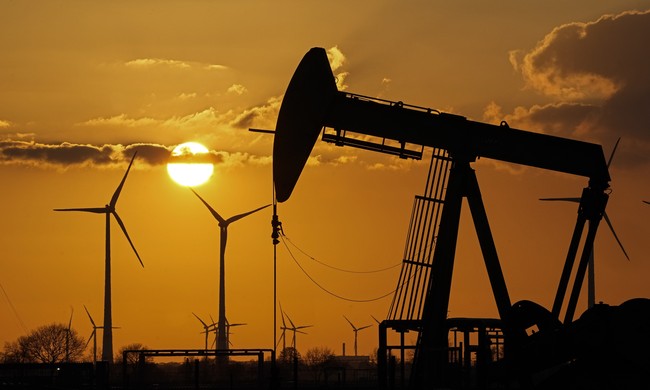
The International Energy Agency has agreed to release 400 million barrels from emergency stocks to blunt the supply shock tied to the Iran conflict, the largest coordinated release in the agency’s history; this move aims to calm volatile oil markets that spiked after hostilities began on February 28 and to protect economies that still depend heavily on petroleum imports.
Global oil prices rose sharply after Operation Epic Fury began, driven by Iran’s role in world energy markets and the real risk to shipping through the Strait of Hormuz. That price pressure is bad news for consumers and manufacturers alike, so governments moved to reduce the immediate supply crunch. The IEA’s decision is a clear recognition that strategic oil reserves remain a key tool when geopolitical shocks hit energy flows.
The IEA announced a coordinated release of 400 million barrels from member country emergency stocks, a volume meant to ease short-term disruption. “The International Energy Agency on Wednesday agreed to release 400 million barrels of oil to address the supply disruption triggered by the Iran war, the largest such action in the organization’s history.” The agency did not pin down an exact delivery schedule and left timing to individual members based on their circumstances.
To put that number in perspective, 400 million barrels equals roughly four days of global oil consumption and about a month of Europe’s usage, underscoring that even a big release is a stopgap. Markets may still react to headlines, military developments, and the practicalities of turning stockpiles into usable supply. So while the release is meaningful, it is not a cure-all for multiweek or longer disruptions.
The IEA’s own background matters: its membership is largely advanced economies in Europe, North America, and Northeast Asia, and it was created after the 1973 embargo to protect global energy security. “IEA members are primarily advanced economies in Europe, North America and Northeast Asia. The organization is tasked with maintaing global energy security. It was founded in 1974 in response to the oil embargo imposed by Arab producers over U.S. support for Israel during the 1973 Arab-Israeli war.” That history frames why governments saw a coordinated response as necessary now.
Fatih Birol, speaking from Paris, emphasized the scale and unanimity of the action. “I can now announce that IEA countries have unanimously decided to launch the largest ever release of emergency oil stocks in our agency’s history,” he said, while noting members collectively hold well over a billion barrels in public emergency stocks. The formal statement stressed the broader stakes: supply shocks hit affordability, security, and growth across markets.
Those stakes are immediate because the Strait of Hormuz remains a chokepoint for global energy flows, and Iran’s threats there have terrified traders and planners. About 20 million barrels a day transit the Strait, so even the threat of closure is enough to send prices swinging wildly. With Iran controlling the eastern approaches, the risk is tangible even if actual closure is uncertain.
Markets already showed extreme swings after the outbreak of conflict on February 28, with Brent crude climbing as high as nearly $120 a barrel before falling back toward the $90 range. “Oil prices have been extremely volatile since the outbreak of the Iran war on Feb. 28, with global benchmark Brent crude rallying to nearly $120 a barrel at the start of the week, before falling back to around $90.” Those gyrations amplify the economic pain for families and businesses dealing with higher transport and production costs.
European nations in particular face the blunt truth that their economies still rely on petroleum, despite years of political rhetoric about energy transition. The release implicitly acknowledges that transition timelines do not erase near-term needs for reliable oil supplies. Policymakers who pushed for diversification now must also show they can manage crises that hit supply chains fast.
The IEA’s move is a strategic play: it buys time and dampens panic while military and diplomatic developments unfold. But it also highlights a conservative policy point many Republicans have been making—energy security matters, and a strong domestic production base reduces our vulnerability to foreign shocks. Expect debates over how long temporary releases can or should be used while longer-term fixes are pursued.
For now, governments and markets will watch how quickly those barrels enter the market, how traders respond, and whether further releases or other measures become necessary. The situation is fluid, and energy policy choices made now will shape economic resilience as events in the Middle East continue to evolve.

Add comment