
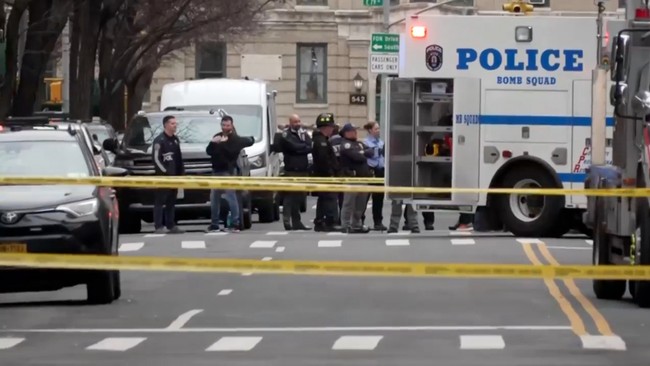
The CNN segment that mischaracterized an attempted bombing at a New York protest rekindled concerns about media accuracy and bias, with the host later issuing a written correction that did not satisfy critics who want a clearer on-air acknowledgment. This article walks through the timeline of the misstatement, the apology text as posted, the surrounding confusion in coverage, and the reactions pointing to broader problems in how major outlets handle breaking violence and political narratives.
CNN host Abby Phillip said on air that the attack “was targeting Mayor Zohran Mamdani,” a claim that, according to available facts, misidentified who the attackers were aiming at. The comment appeared early in her program and again roughly halfway through, amplifying the error before any correction was offered. Viewers noticed the repetition and pushed back quickly on social platforms, arguing the network failed to catch a serious misstatement mid-broadcast.
The network later posted a correction in the form of a tweet, which contained the apology quoted below. That written correction says the explosives “was thrown into a crowd of anti-Muslim protestors and not specifically targeted at Mayor Mamdani,” language that many found weak. Saying something was “not specifically” targeted still leaves a misleading impression and does not fully square with surveillance, witness accounts, and the context of the event.
I want to correct something I said last night. The bombs thrown in New York City over the weekend by ISIS inspired attackers was thrown into a crowd of anti-Muslim protestors and not specifically targeted at Mayor Mamdani. That wording was inaccurate and I didn’t catch it ahead of time. I apologize for the error.
That apology, while direct on one level, raises obvious questions about newsroom checks and the value of on-air accountability. If the host repeated the claim twice on air, why did producers or editors not intervene immediately to prevent further spread of a false impression? In live news, the expectation is that producers will correct a host promptly when a significant factual error appears, not wait for a social media backlash.
Some defenders will say errors happen during live coverage of chaotic incidents. But this was not a simple mispronunciation or a minor factual slip; it was an attribution of motive and target in a violent attack. Mistaking the intended target of an explosive device changes how the public interprets motive, threat, and responsibility. That makes the standard of correction higher than a typical typo or timing mistake.
Beyond the technical failure, there is a pattern here that conservatives point to as evidence of bias: certain outlets appear ready to frame violent incidents in ways that align with particular political narratives. When errors cut against those narratives, responses can be slow or insufficiently public, leaving the initial false impression to spread. This incident reinforced a common complaint that media organizations protect narratives over facts until pressure forces a correction.
Accountability should be public and proportionate to the mistake. Posting a correction on social media does not substitute for an on-air clarification in the same forum where the false claim was broadcast. Viewers who watched live or saw clips were exposed to the misstatement in the moment, and many never saw the later written correction. That gap matters, and critics rightly demand the same prominence for corrections as for the original claims.
How media organizations handle this matters not only for the immediate story but for public trust in reporting on politically charged events. When a major outlet attributes an attack in a way that amplifies political friction, the error fuels polarization and erodes confidence. That is why conservatives and many neutral observers insist corrections be thorough, transparent, and delivered with the same visibility as the original offensive claim.
The reaction online made the point: people were unconvinced by a brief tweet and wanted an on-air fix. Complaints focused not just on the original error but on the lack of a proportional remedy in the domain where the damage occurred. This episode will likely be cited again in debates about newsroom judgment, bias, and the standards for correcting significant live-television mistakes.
Networks covering violent incidents should apply extra caution when assigning motive or target, especially before evidence has been fully vetted. Failing to do so invites legitimate criticism that coverage was rushed or slanted to fit a storyline. The proper response to such missteps is prompt, public, and unmistakable correction in the same place the error was made, so audiences receive clear, balanced information moving forward.

Add comment