
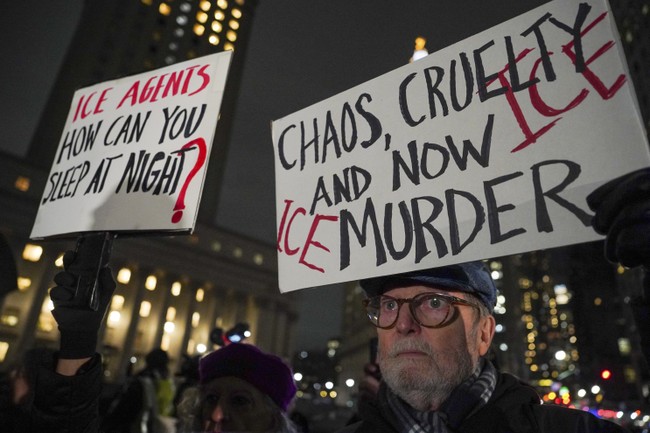
The piece examines calls from a conservative watchdog for an IRS review of a Minnesota nonprofit tied to anti-ICE protests, looks at the financial and organizational links at play, and highlights concerns about whether tax-exempt status is being used to fund or promote actions that interfere with federal enforcement.
Protests against Immigration and Customs Enforcement in Minneapolis and St. Paul have continued, and observers are asking who is supporting and funding the organized actions appearing on city streets. The signs and coordinated actions look professional, and that raises questions about the money and logistics behind them. One conservative group has formally asked the IRS to take a closer look at a local nonprofit that appears to be backing these efforts.
The Center to Advance Security in America (CASA) has urged federal tax authorities to investigate Cooperation Cannon River, a registered 501(c)(3) based in Minnesota. CASA alleges CCR has been the fiscal sponsor for groups that promote obstruction of ICE operations and has financially supported protesters who push aggressive tactics.
CASA’s scrutiny centers on CCR’s relationship with a group known as Defend the 612, which CASA says uses social media and other communications to encourage interference with federal immigration enforcement. That connection is at the heart of the call for the IRS to determine whether CCR’s activities remain within legitimate charitable bounds. The watchdog’s director says the overlap is troubling and warrants official review.
Cooperation Cannon River is the fiscal sponsor of “Defend the 612,” which engages in various social media communications encouraging interference with federal immigration enforcement operations throughout the greater Minneapolis, MN area. Defend the 612 also insinuates the use of potentially violent tactics against ICE through its advertisements.
CASA’s director added a second public statement urging the IRS to consider revoking tax-exempt status if investigations find CCR crossed legal lines. The argument is straightforward: if a tax-exempt organization is funding or promoting illegal activity, that undermines the system that grants it preferential tax treatment. The watchdog framed this as a matter of law enforcement and fiscal accountability.
Due to the many potential violations of federal law, including the obstruction of federal law enforcement officers, we believe the IRS should initiate a review of the tax-exempt status of this fiscal sponsor, and if evidence exists that they are in fact crossing into illegal activity, their status should be revoked.
CCR’s stated mission focuses on social and environmental justice, and it has been tax-exempt since March 2020. Public fundraising appeals tied to the protest movement have mentioned CCR as a fiscal sponsor and suggested donations would be used for items like vests for protesters and neighborhood patrols aimed at confronting ICE. That kind of line-item language has increased scrutiny from critics who say this is fundraising for direct action against federal agents.
Defend the 612 has posted calls to action on social media that encourage supporters to interfere with enforcement activities, including slogans urging people to create noise and draw attention to ICE personnel in the field. Training events have been advertised with language about stopping ICE and building broader resistance, and those materials are part of what watchdogs point to when questioning CCR’s role. Was a local elected official influenced by those trainings? That allegation has been floated by some critics.
Investigators digging into funding have also highlighted grants flowing to CCR from national philanthropy channels. Records show a modest grant from a national foundation that has been tied to progressive causes. Critics interpret such grants as evidence of an organized funding network that supports disruptive protest tactics under the cover of nonprofit status, while supporters say the donations fund lawful advocacy and community support.
For those demanding accountability, a common refrain has been to “follow the money” to trace how resources move from donors to on-the-ground organizers. That exercise turns up a web of groups, local chapters, and activists whose stated aims vary from community defense to broader political goals. For opponents, the worry is that seemingly charitable vehicles are underwriting activities aimed at obstructing federal law enforcement and promoting civil unrest.
At the center of the debate is whether tax-exempt status is being exploited to bankroll tactics that cross legal lines. A formal IRS review would focus on whether CCR’s fiscal sponsorship and spending align with rules governing 501(c)(3) organizations, and whether any evidence shows coordination with groups that advocate illegal obstruction. Supporters of an investigation frame it as a necessary step to protect both law enforcement and the integrity of nonprofit rules.
The question now is whether federal authorities will open the inquiry CASA requests and how regulators will weigh fundraising language, sponsorship arrangements, and public communications in determining whether CCR’s activities remain within lawful advocacy. If the IRS decides to act, the process would examine intent, finances, and the nature of the activities supported.
Democrat politicians and their radical supporters will do everything they can to interfere with and threaten ICE agents enforcing our immigration laws.
Help us hold these leftists accountable and expose their obstruction. Join RedState and use promo code FIGHT to get 60% off your membership.


Add comment